


- Allergies trigger silent inflammation, which can make women’s menstrual cycles more irregular and affect sperm quality (morphology) in men.
- Interestingly, a disproportionately high number of people with allergies are found among couples undergoing fertility treatment—yet the chances of achieving a pregnancy are virtually the same.
- Intensive use of certain antihistamines can particularly limit male fertility.
- An anti-inflammatory diet (plenty of fruits, vegetables, and omega-3) as well as targeted micronutrients can reduce allergic stress and optimally prepare the body for conception.
Spring is in the air—and for many couples hoping to start a family, this is felt all too clearly through a runny nose or itchy eyes rather than the invigorating feelings of spring. But do these annoying allergies really have the power to affect the journey toward starting a family? Actually, yes, but an allergy is by no means an insurmountable obstacle—it’s worth taking a closer look at the details, though, as this provides clarity.
A false alarm in the body: What happens during an allergic reaction?
Allergies are classified as chronic inflammatory diseases and most commonly affect the lungs, skin, and nose. Allergies are triggered by a faulty reaction of the immune system, in which harmless substances are classified as “dangerous”, causing the immune system to try to fight them off. Key players in this process are IgE antibodies—often detected in allergy tests—and Th2 cytokines, which together trigger the allergic reaction.
Allergies have increased significantly in recent years and decades—environmental factors in particular are likely to play a key role in this. As annoying and unpleasant as allergies are, most allergies are easily treatable. However, there are also severe allergies that, in the worst cases, must be treated in a hospital (Zhang P., 2023).
Silent inflammation: Why allergies can hinder fertility
As mentioned earlier, allergies are inflammatory conditions. Inflammation typically affects the entire body, which is why even a simple pollen allergy can impact your fertility. Here, you’ll learn exactly how silent inflammation can affect your ability to conceive and what you can do about it.
Menstrual cycle chaos due to allergies?
In general, women with allergies seem to have more irregular cycles than women without allergies. An irregular cycle alone cannot prevent conception but can make it more difficult: After ovulation, the egg is only capable of being fertilized for about 24 hours. If a woman’s cycle is reasonably regular, ovulation can be determined or estimated relatively well, and thus the “ideal” time for intercourse can be identified. This “estimation” of ovulation may therefore be more difficult in some cases for women with allergies (or, of course, for women who have an irregular cycle for other reasons). Overall, the time to achieve a successful pregnancy is also slightly longer for women with allergies than for women without allergies. These differences may well be partly due to cycle irregularities (Wasilewska, E. et al., 2019). But even with an irregular cycle, your dream baby can and will be on its way. We’ve compiled some tips on this here.
Allergies vs. Sperm: Why men are affected too
In addition to the female cycle, the quality of the man’s sperm naturally plays an important role in achieving a successful pregnancy. Scientists have now found that men who are allergic to birch, rye, cats, alder, or grasses are more likely to have defects in the tails of their sperm. An allergy to the fungus “Alternaria alternata” is associated with an increased incidence of defects in the sperm heads. These findings were obtained as part of a study whose participants all experienced difficulties conceiving. However, it remains unclear whether the reduced fertility of these men is primarily attributable to the allergy. Whether or to what extent these effects are also found in other men requires further investigation (Adamczak, R., et al., 2022).
If sperm are not properly formed and exhibit defects, this can also have a direct impact on fertility. A semen analysis can determine whether the shape of your sperm is impaired.
Statistics check: Allergies among IVF couples
While the impact of allergies is likely to be relatively minor for many couples, a look at the waiting rooms of fertility clinics reveals a different, striking picture: Among the women and men who use IVF to fulfill their desire to have children, there is a strikingly high number of people with allergies. While an average of about 10–30% of the general population suffers from an allergy, the figure was around 54% among women who underwent IVF! Among men, however, the proportion—at around 21%—was also not low, but by no means as significantly elevated as among women. The likelihood of a successful cycle was slightly lower for women with allergies than for non-allergic women. However, experts consider this slight difference to be negligible, so it should not cause you concern (Esfandiari, N. et al., 2020).
Food instead of pollen: Do food allergies follow different rules?
Food allergies can be managed relatively well compared to classic pollen allergies and are therefore often treated differently. Fortunately, food allergies are unlikely to affect women’s fertility (Willis, S. K. et al., 2025). Since it is often possible to avoid the allergen partially or even completely, it is entirely possible that men’s fertility is affected by certain pollen allergies but not by food allergies, as allergic reactions to food are less common.
Antihistamines under the microscope
Preliminary findings suggest that antihistamines may interfere with hormone balance and fertility in men. Antihistamines may influence androgen production. Some active ingredients may also reduce sperm count or negatively affect sperm morphology and motility. However, these effects have not yet been conclusively clarified and apply only to intensive and high-dose use of antihistamines! (Mondillo, C. et al., 2018)
There are currently no conclusive findings regarding the effects of antihistamines on female fertility. However, since many preparations are considered safe during pregnancy, the chances are generally good that they will not negatively impact your journey to conception. Unfortunately, this has not yet been proven.
Boost Your Immune System from the Inside to Help with Allergies
Even though allergies generally cannot be influenced, there is good news for everyone with allergies: allergies can be positively influenced by a mindful diet!
Let’s start with the things you should ideally avoid or at least reduce: A diet that’s extremely high in calories and rich in animal products (especially animal fats and proteins) can trigger allergic reactions and should therefore be consumed as little as possible. Saturated fats, cholesterol, and medium-chain fatty acids should also be kept out of your daily diet.
On the other hand, it is particularly beneficial to eat plenty of fruits, vegetables, legumes, and whole grains. Fiber and omega-3 fatty acids also have a positive effect on allergic reactions. Flavonoids, vitamins A, D, and E, as well as the minerals zinc and iron, are also helpful in the daily battle against allergies (Zhang P., 2023).
Especially when it comes to your journey to conceive, these dietary habits can help reduce inflammation and allergic reactions—a valuable step on the path to having the baby you’ve been hoping for.
Sometimes, changing your diet is easier said than done, and we know that all too well. If you’d like to give yourself and your health an extra dose of anti-inflammatory and anti-allergic nutrients, we highly recommend dietary supplements.
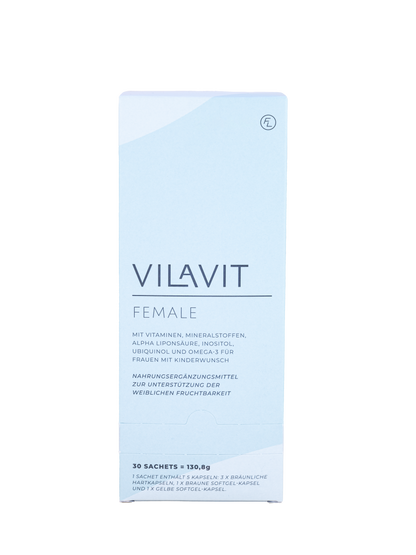
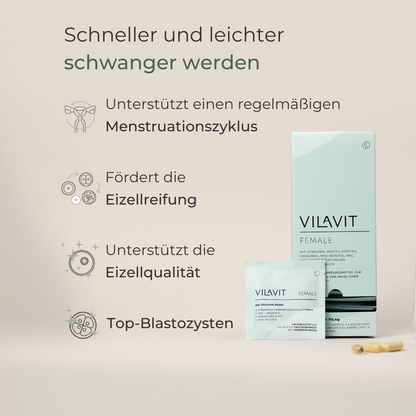
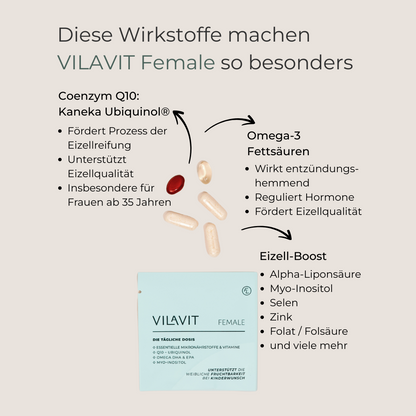
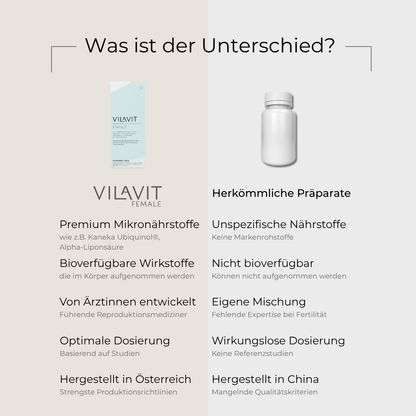
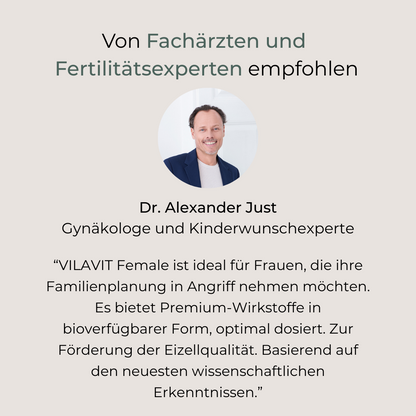
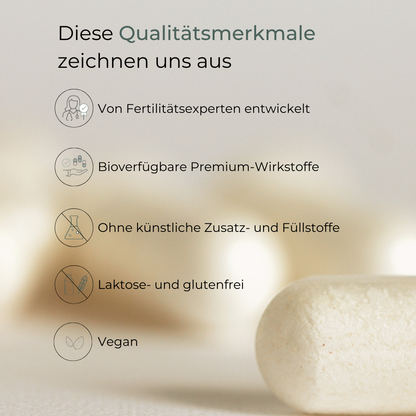
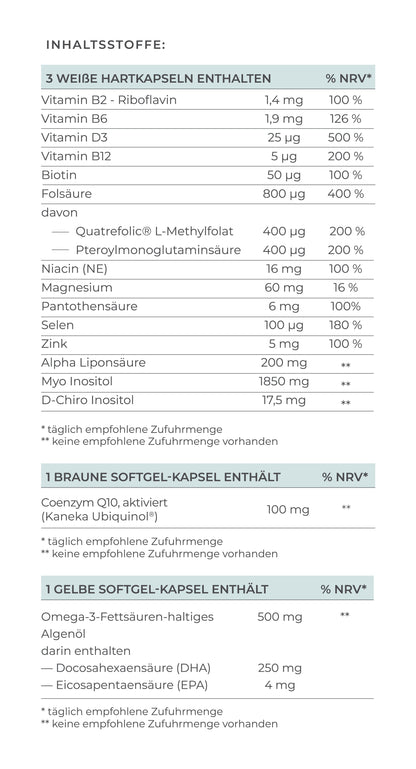
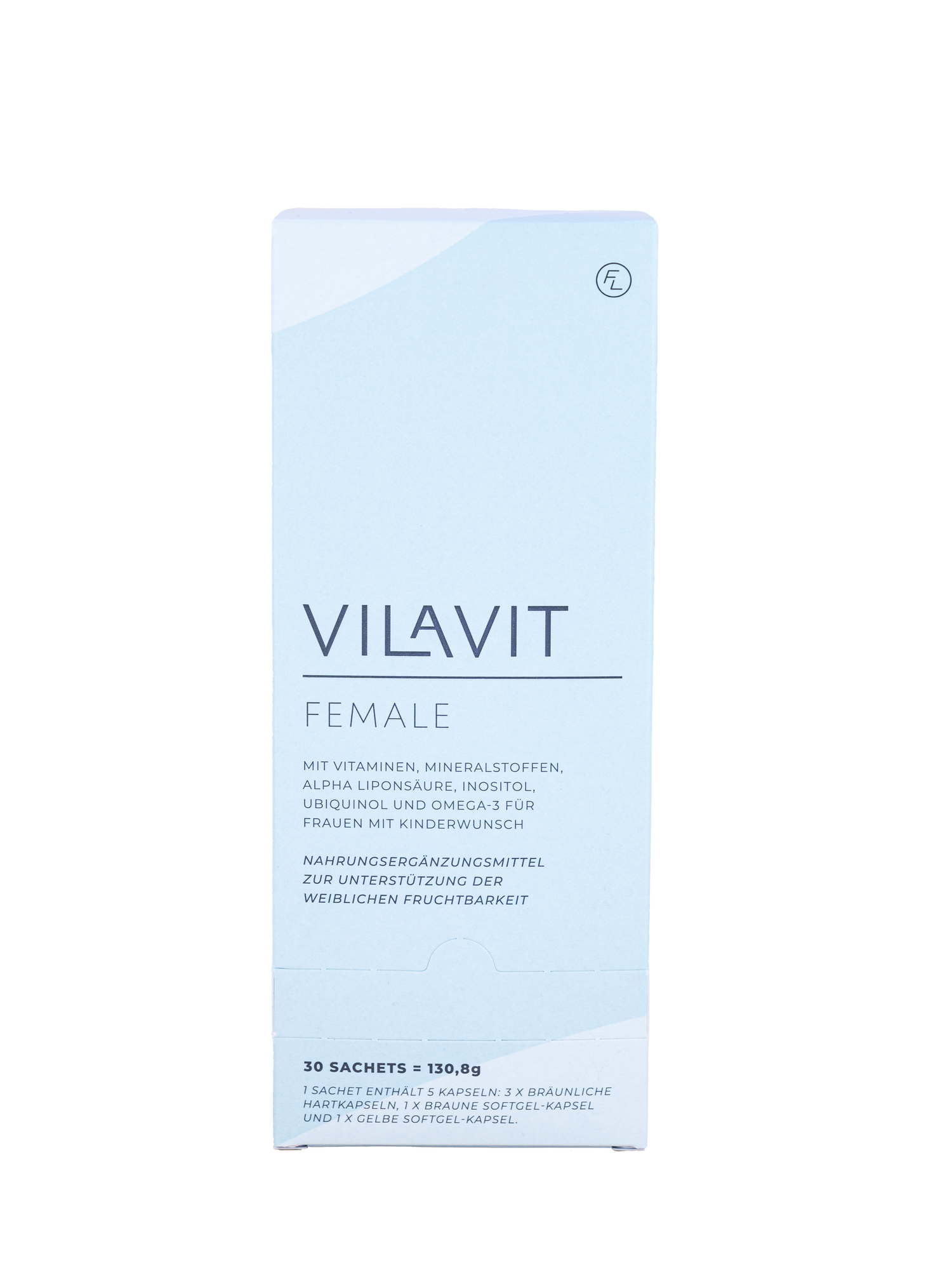
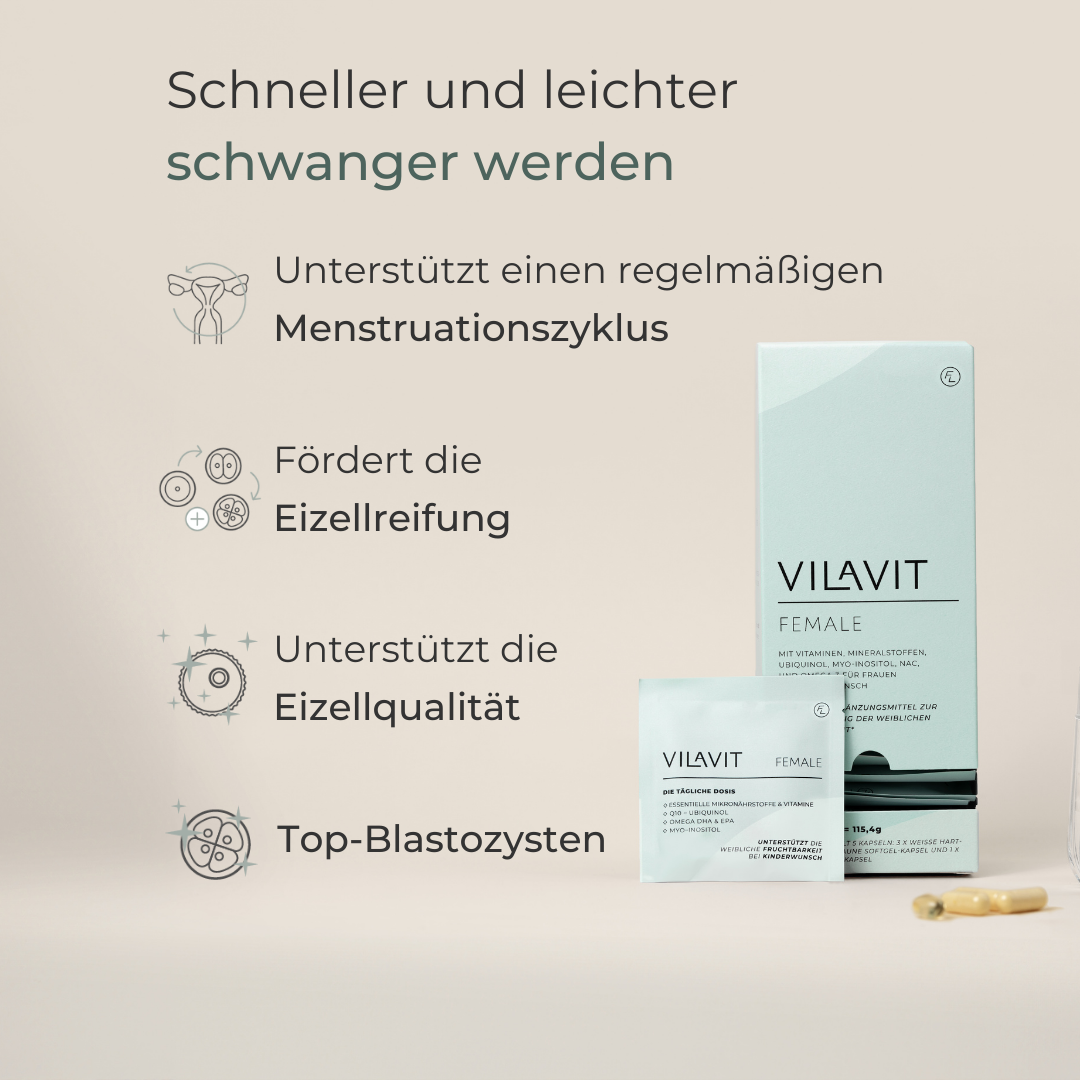
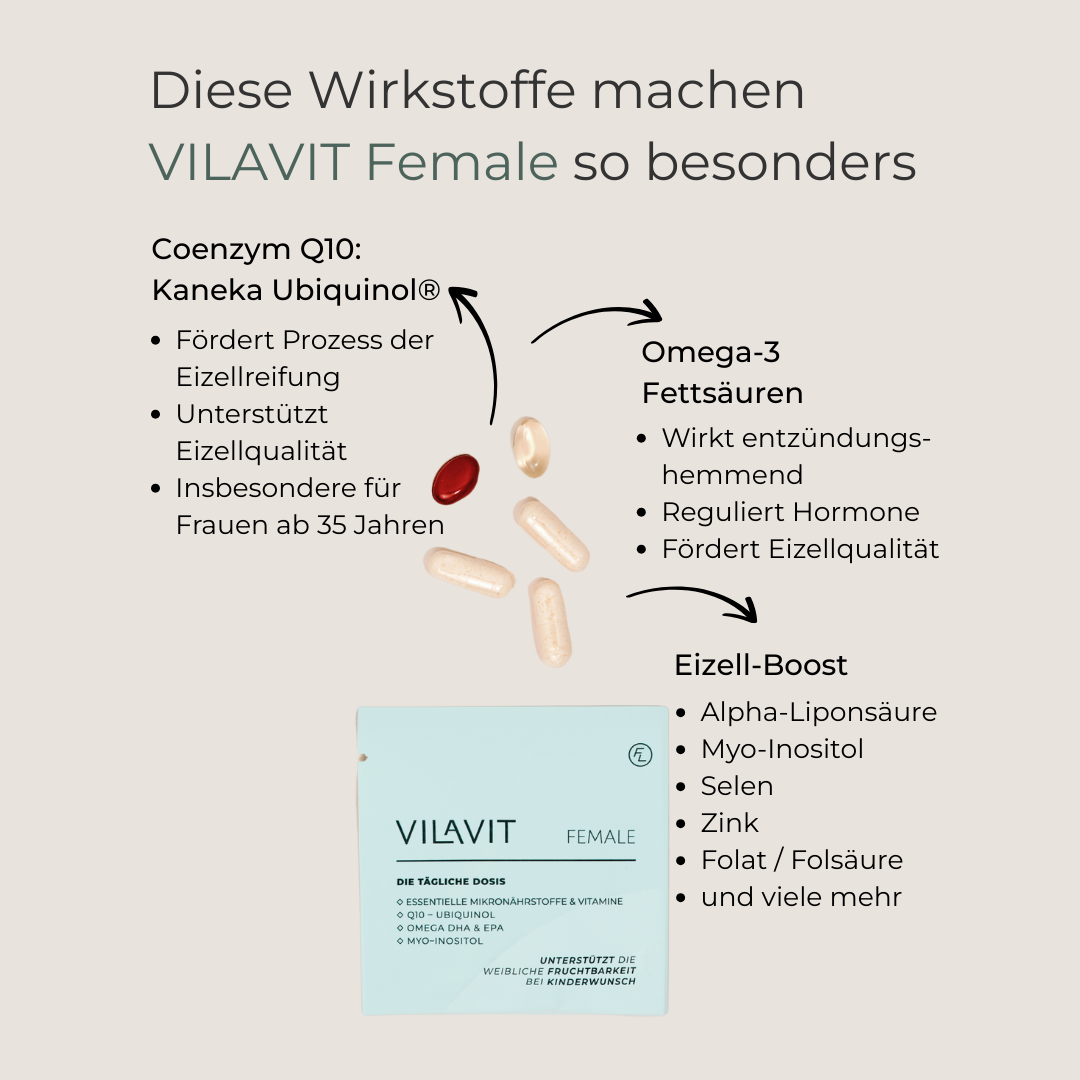
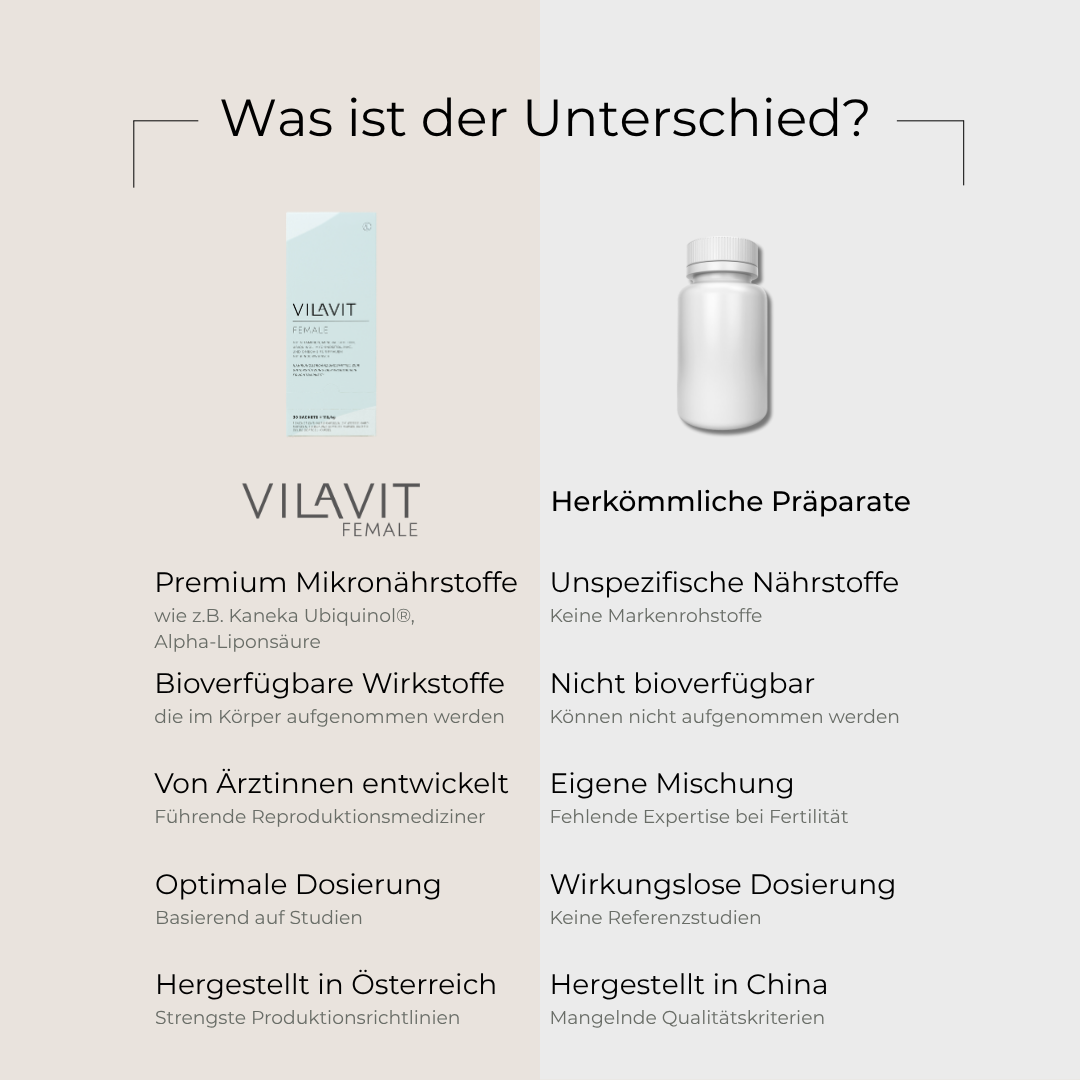
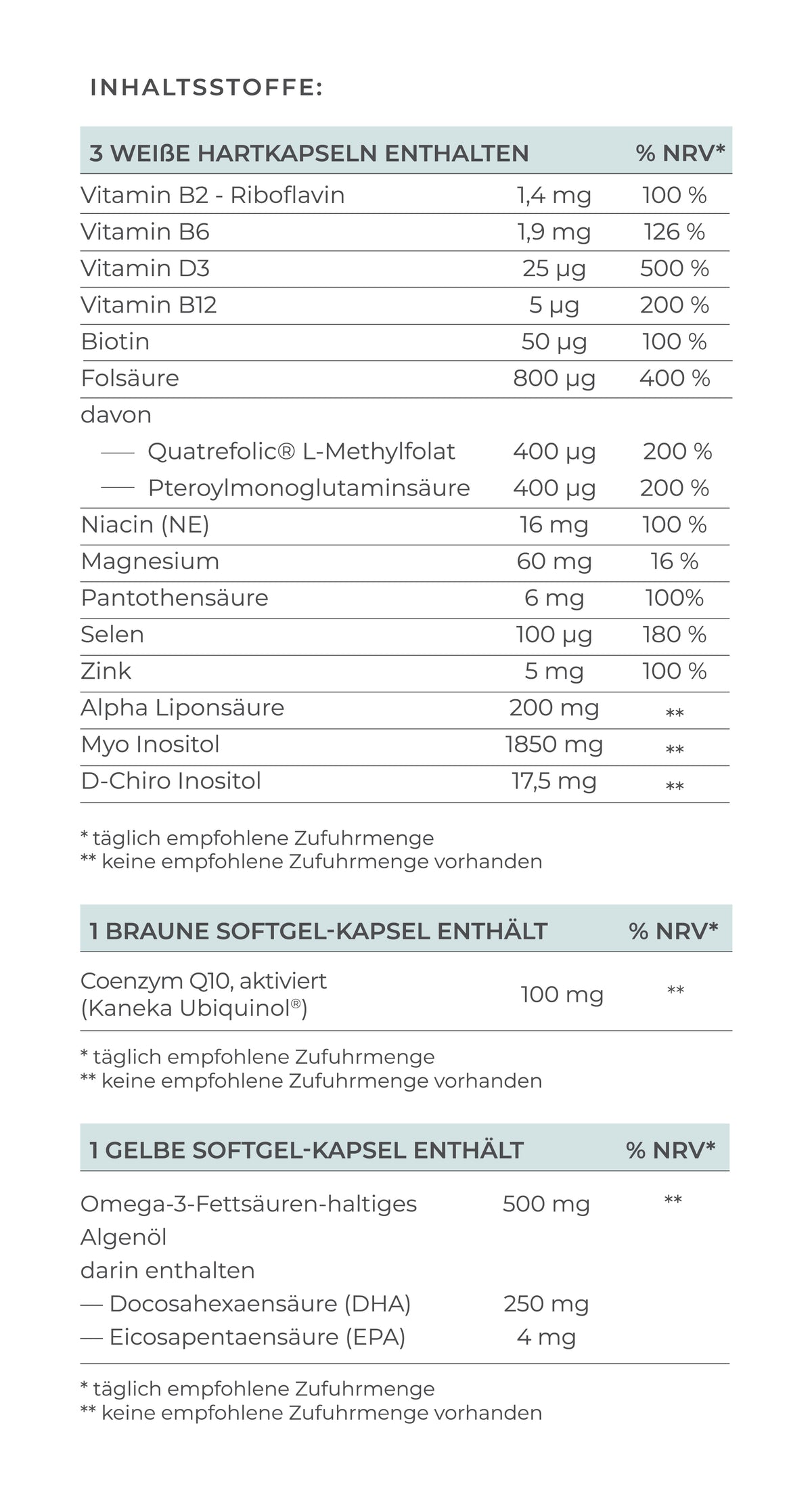
Dietary supplements are by no means a substitute for a healthy, balanced diet, but they can provide real relief for those affected—and benefit the body—especially in specific situations such as allergies or when trying to conceive. Especially when you’re trying to conceive, you shouldn’t compromise on the quality and selection of ingredients to give your body and yourself the best possible support. So feel free to take a look at VILAVIT Female and VILAVIT Male, which are made from bioavailable micronutrients specifically for this special time.
Conclusion
While having allergies isn’t necessarily helpful when trying to conceive, it’s definitely not an insurmountable obstacle. For example, try to support your body through mindful nutrition, reduce inflammation in general where possible, or avoid your allergen(s). For women with irregular cycles, it can be helpful to track your cycle more closely—for example, with an ovulation tracker or by monitoring your temperature. For men, reducing antihistamines—if possible—can be beneficial for fertility.
Frequently Asked Questions About Trying to Conceive and Allergies
Can allergies prevent pregnancy?
Allergies are not an insurmountable obstacle, but they can make conception more difficult. Inflammatory processes in the body can lead to menstrual irregularities in women or reduced sperm quality in men.
How do pollen allergies affect sperm?
Studies show that certain allergies are more likely to cause defects in sperm. If you’re unsure about this, a semen analysis may be helpful for you.
Are there natural alternatives to antihistamines?
Yes, fortunately there are now! But first and foremost, you should discuss such changes with your doctor—especially if you suffer from severe allergies. You should always carry emergency medication with you. There are now also micronutrient supplements available for allergies that can reduce symptoms and histamine release. We can recommend products from ALLERVITA, for example. Important to know: If you’re also taking other nutritional supplements, you should have your blood count checked and seek medical advice to be on the safe side. Even micronutrients can be overdosed. For some people, however, hyposensitization or allergen-specific immunotherapy can also be helpful. These forms of therapy usually last several months or even years, though.
How can I improve my fertility despite having allergies?
An anti-inflammatory diet (rich in omega-3 fatty acids, fruits, and vegetables, among other things) and the targeted intake of micronutrients such as zinc and vitamin D can help calm the immune system and support fertility.
References
- Zhang P. (2023). The Role of Diet and Nutrition in Allergic Diseases. Nutrients, 15(17), 3683. https://doi.org/10.3390/nu15173683
- Wasilewska, E., & Małgorzewicz, S. (2019). Impact of allergic diseases on fertility. Postepy dermatologii i alergologii, 36(5), 507–512. https://doi.org/10.5114/ada.2019.89501
- Adamczak, R., Ukleja-Sokołowska, N., Pasińska, M., Zielińska, J., Leśny, M., & Dubiel, M. (2022). Abnormal sperm morphology is associated with sensitization to inhaled allergens. International journal of immunopathology and pharmacology, 36, 20587384211066718. https://doi.org/10.1177/20587384211066718
- Esfandiari, N., Nesbit, C., Litzky, J., Dela Cruz, D., Gibson, S., DeMars, L., & Esfandiari, N. (2020). High prevalence of allergy in patients undergoing in vitro fertilization and embryo transfer. Journal of assisted reproduction and genetics, 37(2), 311–320. https://doi.org/10.1007/s10815-020-01691-z
- Willis, S. K., Kuan, K. E., Hatch, E. E., Crowe, H. M., Wesselink, A. K., Rothman, K. J., Mumford, S. L., & Wise, L. A. (2025). Self-reported diagnoses of dietary allergens and fecundability in a North American cohort. Human reproduction (Oxford, England), 40(3), 553–560. https://doi.org/10.1093/humrep/deae277
- Mondillo, C., Varela, M. L., Abiuso, A. M. B., & Vázquez, R. (2018). Potential negative effects of anti-histamines on male reproductive function. Reproduction (Cambridge, England), 155(5), R221–R227. https://doi.org/10.1530/REP-17-0685