


The most important facts about silent inflammation:
- Silent inflammation is unnoticed, chronic inflammation.
- Inflammatory reactions can impair fertility in both men and women.
- Many cases of silent inflammation are easily treatable but are only discovered at a late stage.
- Inflammatory reactions can also be reduced through measures such as proper nutrition and stress management.
Inflammation is a “natural” function of our body, or more precisely, of our immune system. Inflammation often occurs in response to infections or injuries, helping us to recover. However, this is acute inflammation, which usually subsides quickly. If inflammation persists for longer, it is referred to as chronic inflammation (Weiss, G., et al., 2009). Chronic inflammation can go unnoticed and is often referred to as “silent inflammation.” Among other things, this chronic or silent inflammation can severely impair fertility.
Female fertility and inflammation
Regardless of its origin, inflammation can have a negative impact on female fertility. However, inflammation such as endometritis, which occurs in the uterus or close to the reproductive organs, can naturally have a faster or stronger impact on fertility.
Chronic inflammation can affect fertility through various mechanisms: for example, the microbiome of the reproductive tract may be directly involved in the inflammation, or the inflammation may lead to a hormonal imbalance. In addition, immune cells are part of the “normal” cell culture in the ovaries and can, of course, also lead to inflammation there and, for example, hinder egg maturation (Ameho, S., et al., 2025).
Endometritis
Endometritis is one of the most well-known “silent” inflammations in relation to fertility. Endometritis can be either acute or chronic, but it is usually only chronic endometritis that falls under the category of “silent” inflammations (Singh, N., et al., 2022). It is estimated that around 10% of women are affected by chronic endometritis (Park, H. J., et al., 2016).
Endometritis is usually treated with antibiotics or antituberculosis drugs (depending on the cause). However, the disease may already be advanced at this point, as it is usually only detected in the course of fertility problems and is therefore treated late. If endometritis is already advanced and “classic” therapy with antibiotics or antituberculosis drugs is no longer sufficient, intrauterine stem cell treatment may be a promising solution. Chronic endometritis can lead to difficulties with implantation, among other things (Singh, N., et al., 2022). These difficulties can also lead to recurrent implantation failure (RIF) or recurrent pregnancy loss (RPL). However, clinical studies suggest that the chance of a successful pregnancy for affected women can be greatly improved by treatment with antibiotics. Ultimately, there is still a lack of sufficient studies in this area, but in cases of endometritis, treatment of the inflammation is recommended in any case (Park, H. J., et al., 2016).
Male fertility and inflammation
While the links between fertility problems and inflammation are better known in women than in men, the topic is also gaining attention in men.
Leukocytospermia
Leukocytospermia, also known as pyospermia, is an inflammatory reaction that, like bacteriospermia, can affect the quality and quantity of sperm. Leukocytospermia involves an excessive number of leukocytes (white blood cells) in the ejaculate, while bacteriospermia involves a high number of bacteria in the ejaculate. Both phenomena can be an indication of inflammation of the male reproductive organs. Currently, the definitions regarding the threshold values and therapeutic measures are still controversial, as are the recommendations for artificial insemination in these diseases.
It may be that the quality of the sperm is so severely impaired by one of the two inflammatory reactions that even artificial insemination offers little chance of a successful pregnancy. Unfortunately, however, there are not yet enough studies on this topic, which is why it is not possible to make a general statement. What is certain, however, is that the inflammation should be reduced – if only for the general health of those affected (Henkel R., 2024).
Getting pregnant despite inflammation
Silent inflammation can be frightening and, unfortunately, can actually be a stumbling block on the way to having the child you want. Nevertheless, there are several ways you can reduce inflammation and increase your chances of a healthy pregnancy.
Simple measures such as regular exercise, stress management, and good quality sleep can help improve inflammation and thus your fertility. Depending on the cause of the symptoms, improved hygiene or treatment of acute inflammation can also lead to relief. In addition, a change in diet or taking dietary supplements (also in combination with artificial insemination such as IVF) can reduce inflammation and thus demonstrably increase the likelihood of fulfilling your dream of having a baby (Ameho, S., et al., 2025). The influence of nutrition has gained a lot of attention in recent years and is one of the most frequently mentioned and researched factors in the fight against silent inflammation. For this reason, we have decided to devote a separate chapter to this topic.
Nutrition for silent inflammation
Omega-3 fatty acids
Omega-3 fatty acids are known for their anti-inflammatory properties and can help alleviate symptoms in cases of silent inflammation. While you can try to consume as much omega-3 fatty acids as possible as part of your “normal” diet, studies show that a higher dose is necessary to have a positive effect on inflammation. For this reason, the use of omega-3 supplements is recommended to improve inflammation (Calder P. C., 2010).
Folate
Folate (or folic acid in dietary supplements) is recommended for all women who wish to have children, regardless of inflammatory reactions, as a deficiency can lead to developmental disorders in the unborn child. For women with inflammation in particular, folate supplementation has another crucial but often unknown benefit: folate reduces inflammatory reactions in the body!
Since folate is usually not absorbed in sufficient quantities through food, and the need for it increases significantly during pregnancy, it is recommended to supplement folate and take it in the form of dietary supplements (Fabozzi, G., et al., 2022).
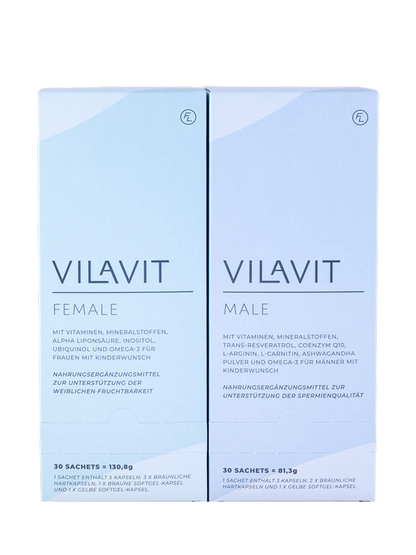
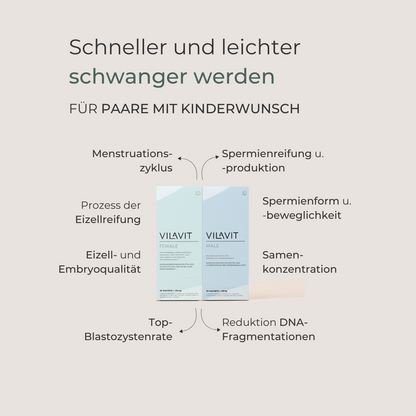
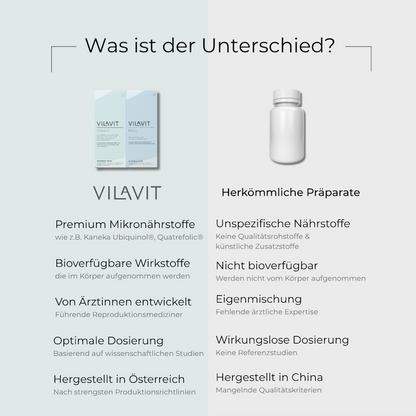
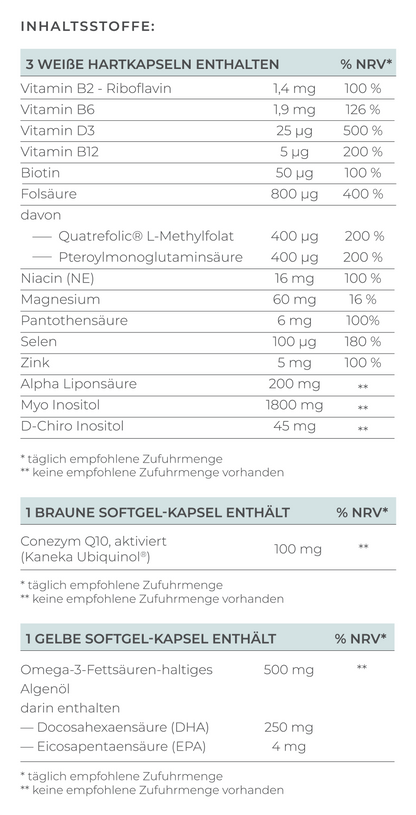
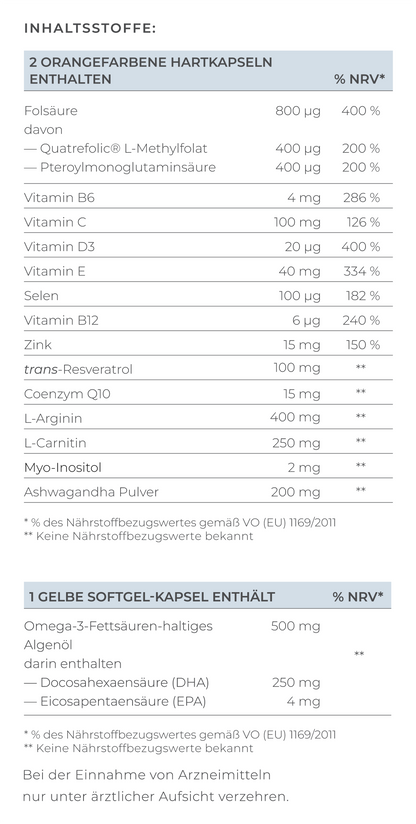
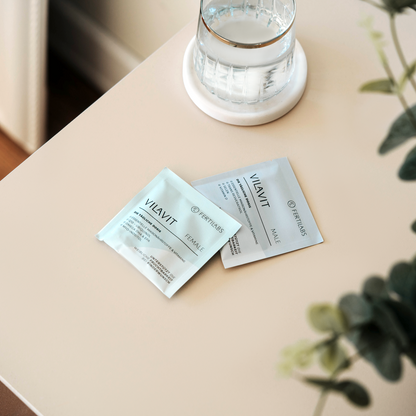
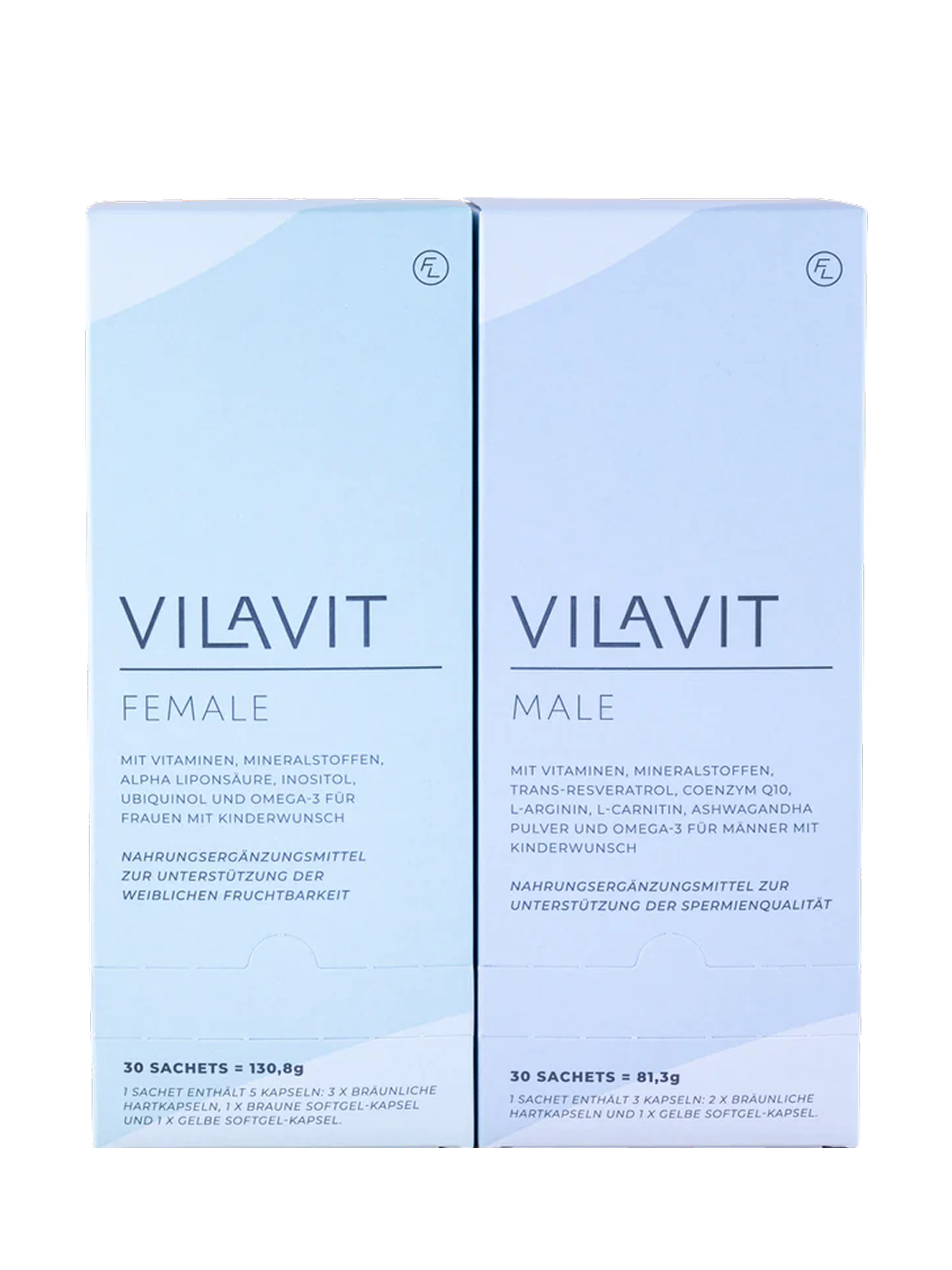
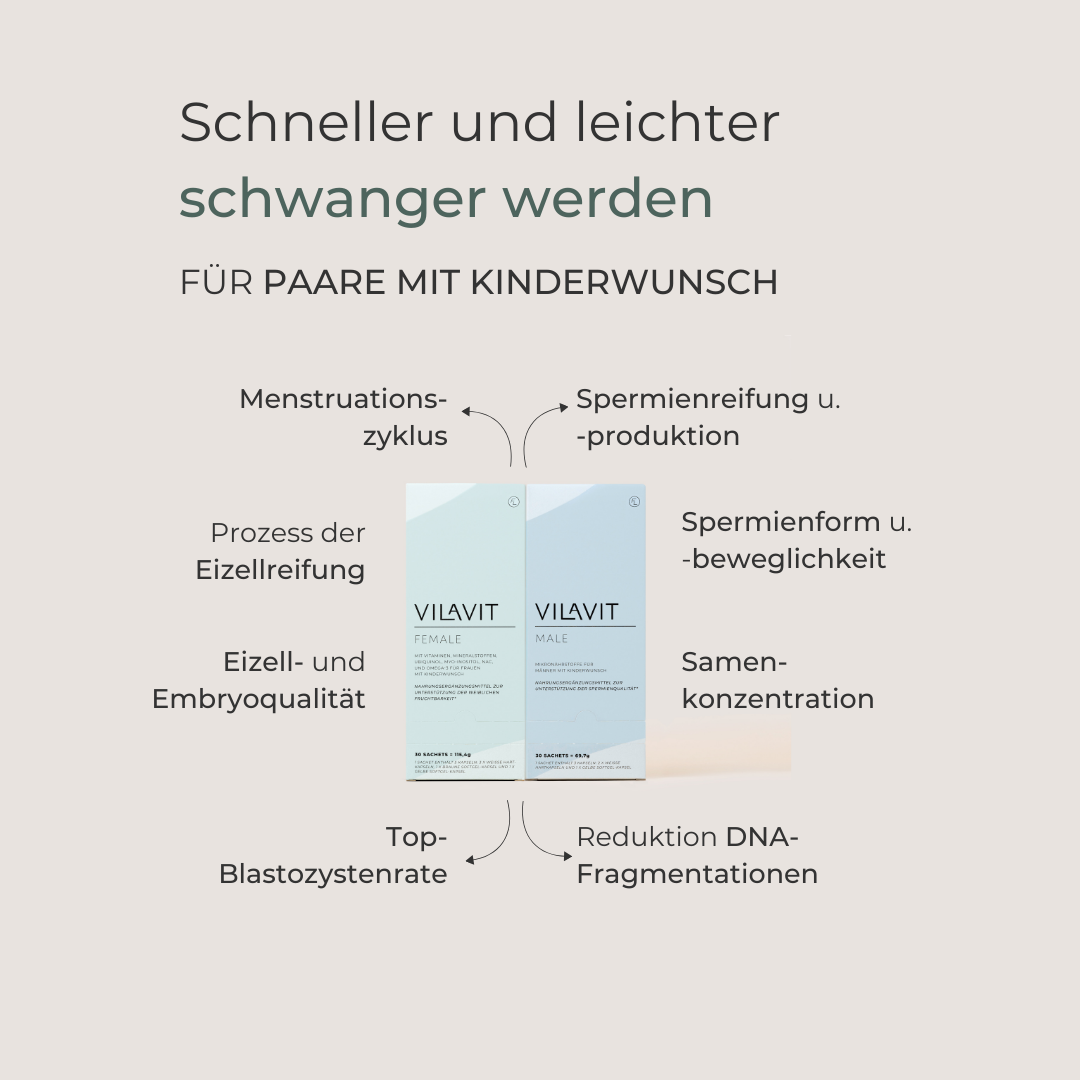
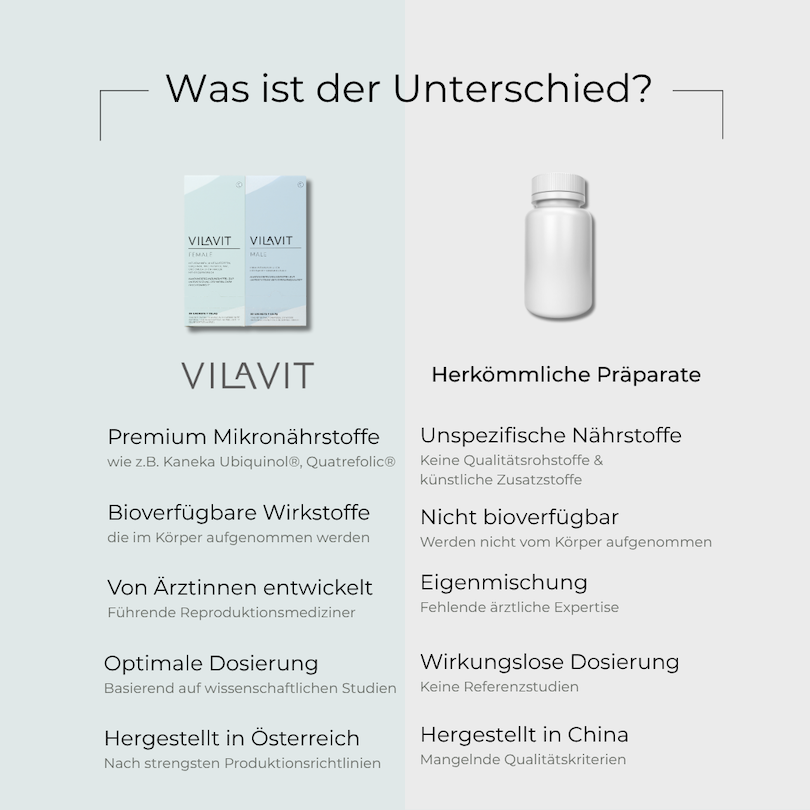
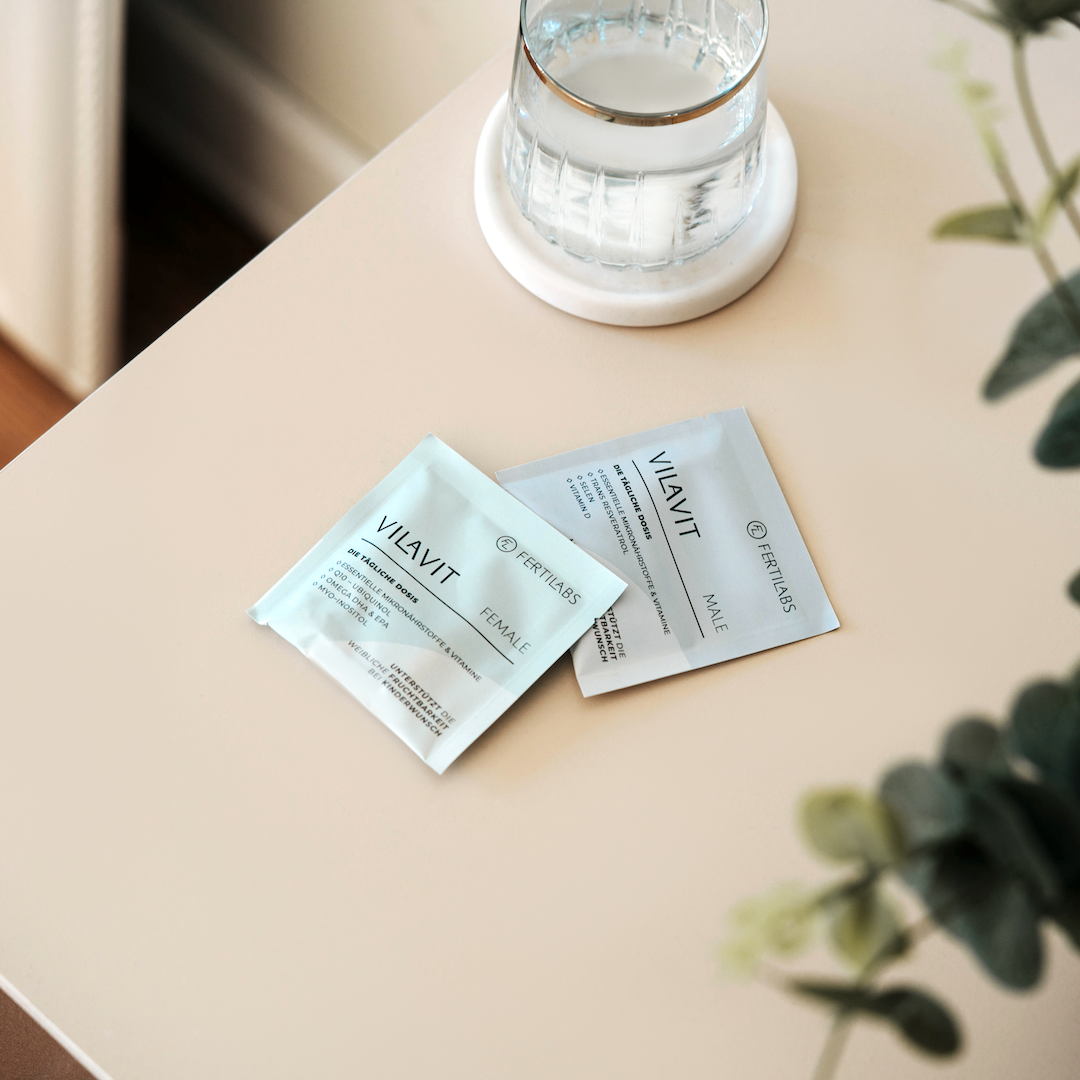
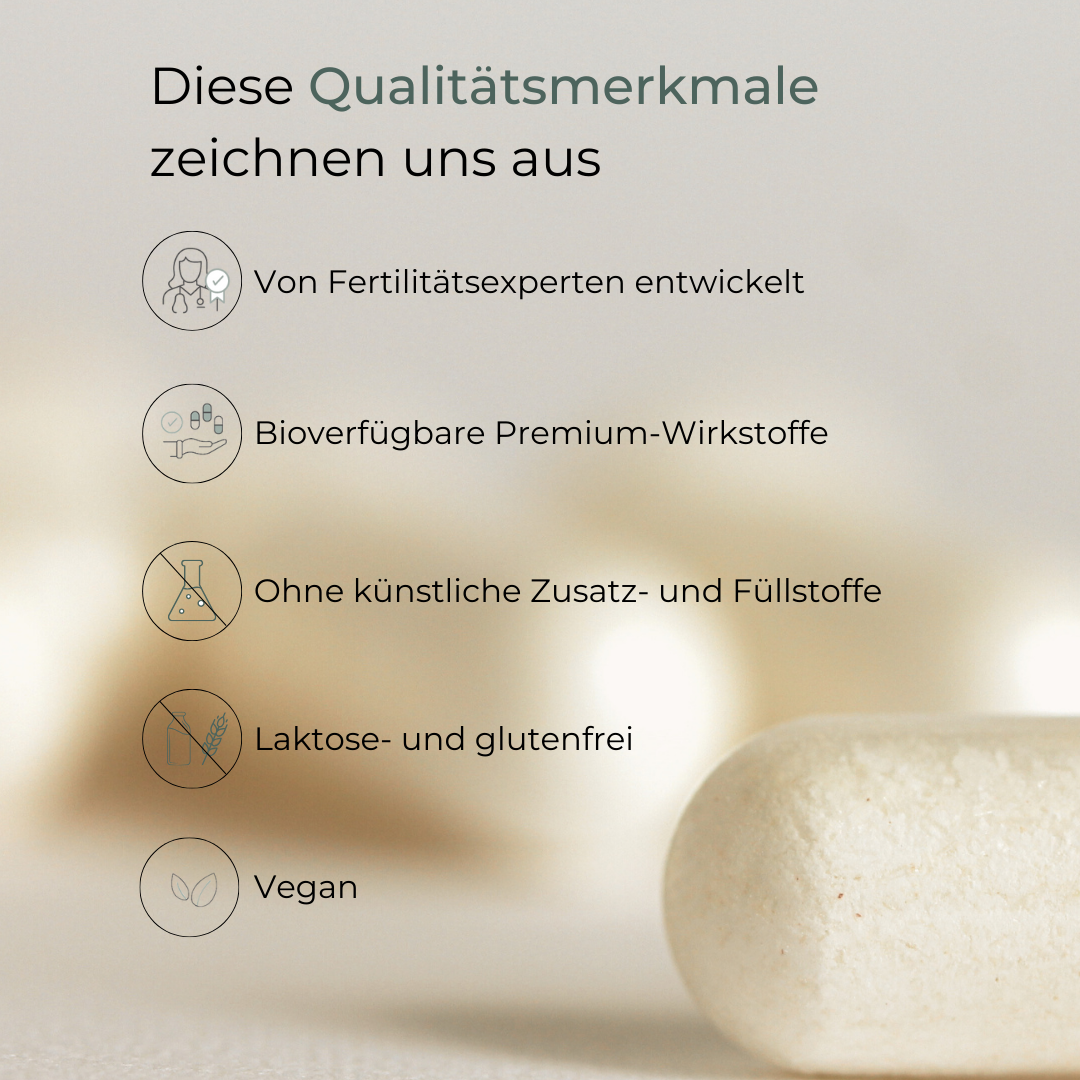
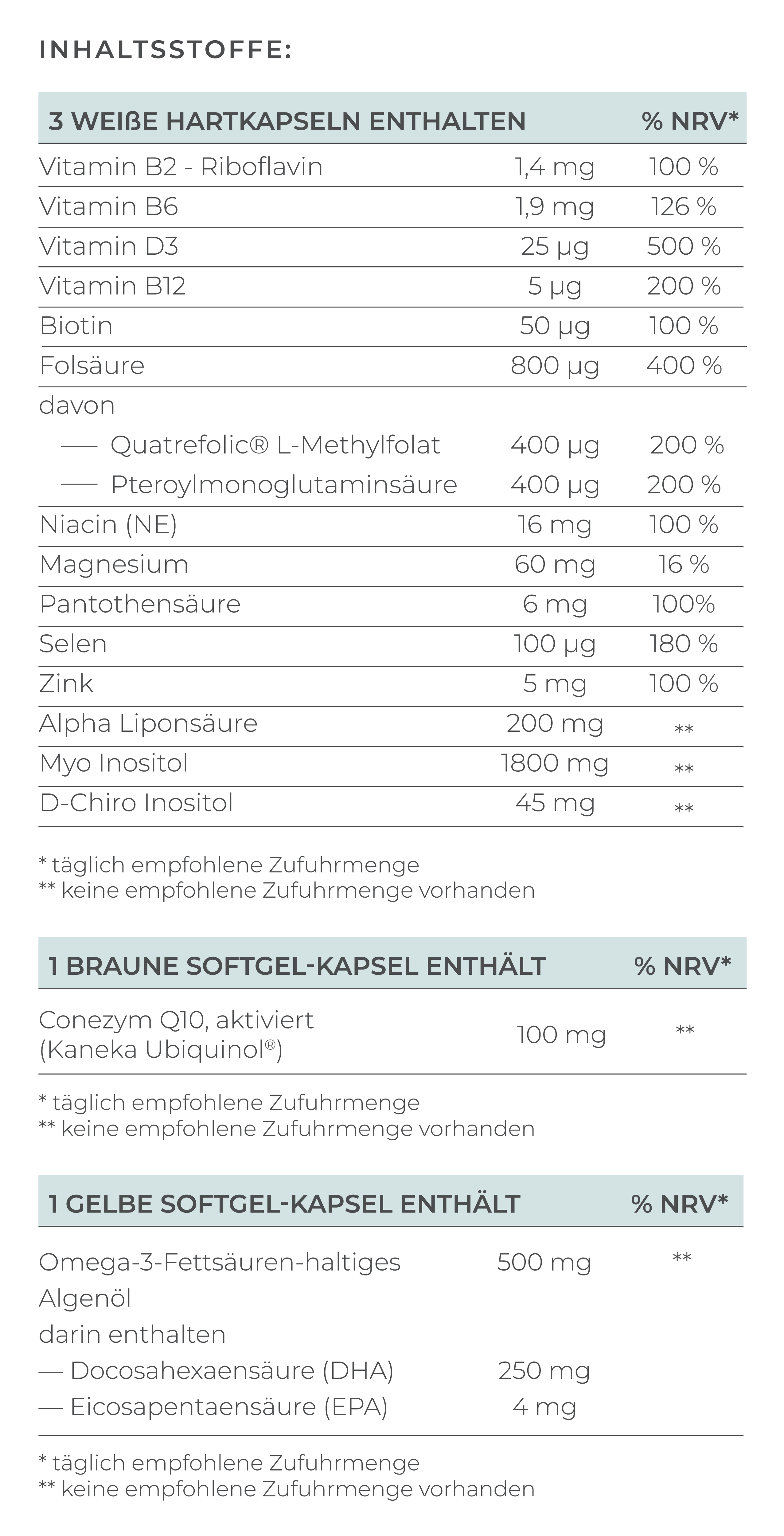
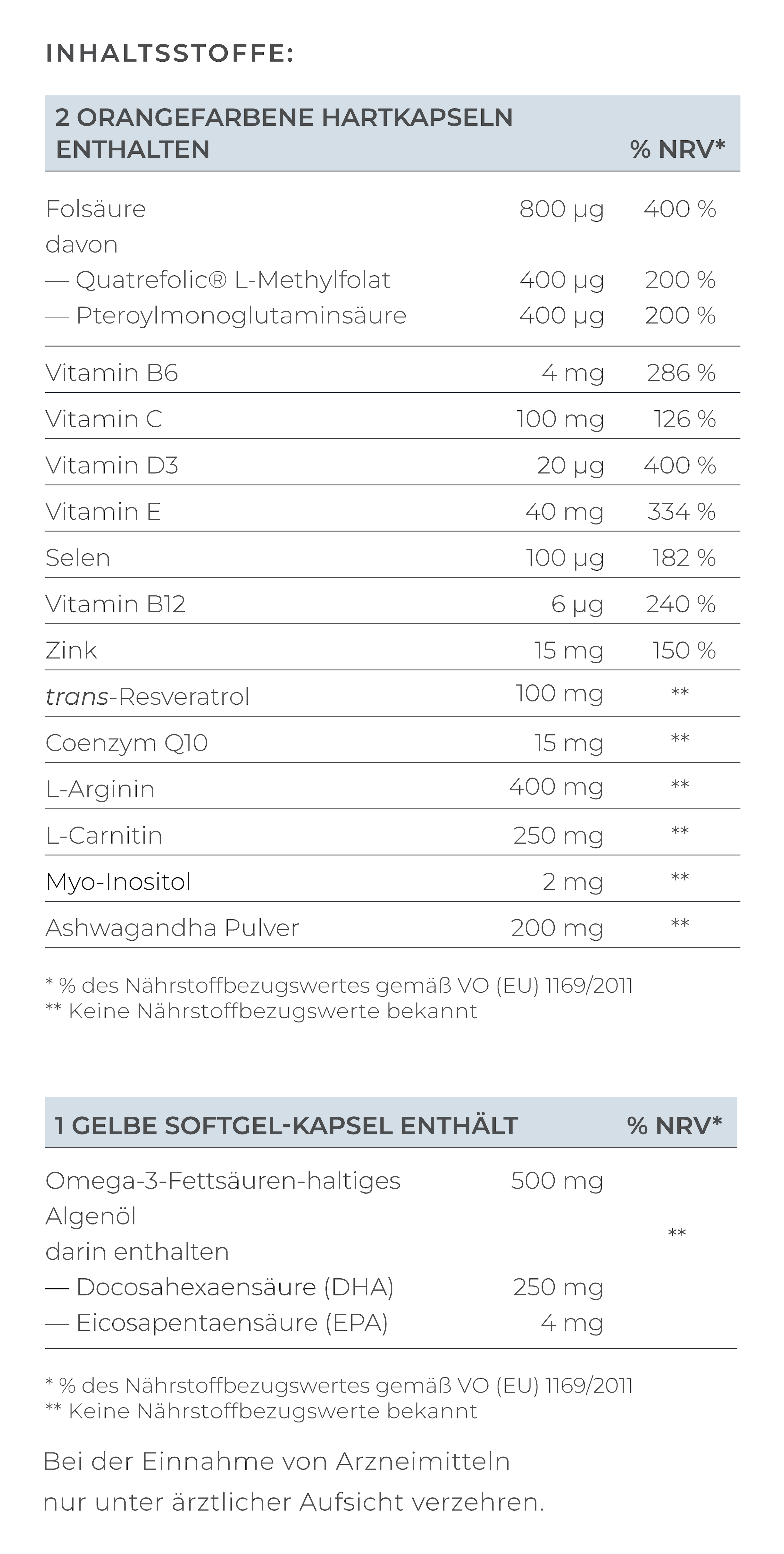
If replacing certain nutrients seems like rocket science to you, or if you don't want to take multiple supplements, we would like to introduce you to VILAVIT Female and VILAVIT Male. Our high-quality fertility supplements provide you with all the micronutrients you need to improve your fertility. Of course, this includes folate and omega-3 fatty acids.
Spices
Spices such as ginger, chili, and turmeric also have anti-inflammatory effects and have long been used in traditional medicine to treat inflammatory diseases. So if you want to try something new in the kitchen, why not use more of these spices and do something good for yourself and your fertility! (Fabozzi, G., et al., 2022)
Saturated and trans fatty acids
Consuming saturated fatty acids is one of the things you should avoid if possible, as many saturated fatty acids can promote and exacerbate inflammation. Of course, you don't have to give them up completely, as that would be very difficult to do, but wherever you can avoid saturated fatty acids, you should do so in order not to further exacerbate inflammation. Trans fats, which are mostly found in industrially manufactured products such as fried foods and ready-made baked goods, should also be avoided if possible, as they can also lead to increased inflammation (Fabozzi, G., et al., 2022).
Frequently asked questions about fertility and inflammation
Can I have a baby despite having “silent” inflammation?
Yes, in principle you can. Unfortunately, it can be a rocky road to reducing the inflammatory reactions, but ultimately there is no reason why you shouldn't!
How can I reduce inflammation?
You can improve inflammation through lifestyle changes such as exercise, sleep, and nutrition. Targeted supplementation with folate or omega-3 fatty acids is also a sensible measure. We recommend VILAVIT Female and VILAVIT Male for this purpose.
Can inflammation that is not in the reproductive tract also be problematic for fertility?
Unfortunately, yes. Many types of inflammation affect the entire body and can therefore also influence fertility. We recommend reducing inflammation and improving your fertility in a targeted manner through supplementary measures such as lifestyle changes and dietary supplements for people who want to have children.
References
- Weiss, G., Goldsmith, L. T., Taylor, R. N., Bellet, D., & Taylor, H. S. (2009). Inflammation in reproductive disorders. Reproductive sciences (Thousand Oaks, Calif.), 16(2), 216–229. https://doi.org/10.1177/1933719108330087
- Ameho, S., & Klutstein, M. (2025). The effect of chronic inflammation on female fertility. Reproduction (Cambridge, England), 169(4), e240197. https://doi.org/10.1530/REP-24-0197
- Henkel R. (2024). Leukocytospermia and/or Bacteriospermia: Impact on Male Infertility. Journal of clinical medicine, 13(10), 2841. https://doi.org/10.3390/jcm13102841
- Singh, N., & Sethi, A. (2022). Endometritis - Diagnosis,Treatment and its impact on fertility - A Scoping Review. JBRA assisted reproduction, 26(3), 538–546. https://doi.org/10.5935/1518-0557.20220015
- Park, H. J., Kim, Y. S., Yoon, T. K., & Lee, W. S. (2016). Chronic endometritis and infertility. Clinical and experimental reproductive medicine, 43(4), 185–192. https://doi.org/10.5653/cerm.2016.43.4.185
- Fabozzi, G., Verdone, G., Allori, M., Cimadomo, D., Tatone, C., Stuppia, L., Franzago, M., Ubaldi, N., Vaiarelli, A., Ubaldi, F. M., Rienzi, L., & Gennarelli, G. (2022). Personalized Nutrition in the Management of Female Infertility: New Insights on Chronic Low-Grade Inflammation. Nutrients, 14(9), 1918. https://doi.org/10.3390/nu14091918
- Calder P. C. (2010). Omega-3 fatty acids and inflammatory processes. Nutrients, 2(3), 355–374. https://doi.org/10.3390/nu2030355