


- Hormonal balance: Acupuncture helps regulate the menstrual cycle and balance hormone levels in both men and women.
- Improved blood flow: Targeted acupuncture points promote blood flow to the reproductive organs and improve endometrial thickness.
- IVF boost: Studies show a significantly higher live birth rate when acupuncture is used around the time of embryo transfer.
Acupuncture has increasingly become the focus of media attention in recent years, and there is much discussion about the potential effects of the method. But can acupuncture also help on the journey to conception, and what exactly is it? Here you will find study-based information on the topic.
What is acupuncture? A look behind the tradition of TCM
Acupuncture is a method of traditional Chinese medicine (TCM) and is therefore part of the field of complementary medicine. This often gives the impression that acupuncture is ineffective. However, modern studies are continually investigating—and often proving—the effectiveness of targeted needle insertion! Of course, there are many myths surrounding acupuncture, and unfortunately, it is not a miracle cure. However, especially in the field of reproductive medicine, it is worth taking a closer look at the topic.
In acupuncture, fine needles are inserted into specific points on the skin. Most people find this to be painless or causes only minimal discomfort. From the perspective of Traditional Chinese Medicine, the needles stimulate the flow of qi in the body. While this is not scientifically proven, it is a fact that acupuncture influences the nervous system, contributing to muscle relaxation, improved blood circulation, and the release of pain-relieving hormones.
In general, studies have already shown that many complementary medicine methods can improve fertility in both men and women. Of these, acupuncture has the strongest evidence—which is why we are taking a closer look at this topic (Miner, S. A., et al., 2018).
Improving female fertility through acupuncture
Acupuncture can influence female fertility in a variety of ways, thereby shortening the path to having a child: For example, acupuncture can “regulate” a woman’s menstrual cycle (such as by making it more regular), making it easier and faster to conceive. An irregular cycle, in particular, can be a stumbling block on the path to pregnancy and is often difficult to treat. This is precisely why acupuncture could be a valuable addition for you (Cochrane, S., et al., 2014).
Acupuncture combined with “conventional” therapy can also improve ovulation rates and make pregnancy more likely by increasing the frequency of ovulation. Additionally, the endometrium may thicken, which in turn can promote implantation. Fortunately, patients who receive acupuncture as a complementary therapy also report fewer side effects than those treated “conventionally” alone (Yun, L., et al., 2019).
Results from a 2025 study point in a similar direction, demonstrating that acupuncture can improve blood flow in the uterus, balance hormone levels, and promote other anti-inflammatory molecular processes. All of these factors can facilitate pregnancy and help you make your dream come true (Zhang, S. et al., 2025).
Acupuncture may also be a promising option for women with a diminished ovarian reserve: it can help balance hormone levels and increase the antral follicle count (a marker of ovarian reserve) (Lin, G., et al., 2023). Another study demonstrated that even women with fallopian tube blockages can benefit from acupuncture treatment (Huang, W., et al., 2023).
Apart from its primarily physical effects, acupuncture is also said to reduce anxiety and symptoms of depression in women on their fertility journey (Hwang, S. I., et al., 2023).
Despite all these positive results and potential benefits, we must also note that some studies have failed to demonstrate any positive effects of acupuncture. Overall, the method has not yet been extensively studied in clinical trials, but fortunately, based on current evidence, no adverse side effects are expected—at most, it may simply be ineffective (Su, C., et al., 2026).
Acupuncture and IVF for future Mothers
Preliminary results suggest that women undergoing IVF treatment may also benefit from complementary acupuncture treatment. In an impressive study, women received acupuncture one week and 30 minutes before embryo transfer, as well as 30 minutes after the transfer. A positive beta-hCG level was detected in approximately 64% of the patients who received these acupuncture treatments, whereas this was the case in only about 33% of the control group. The live birth rate was also significantly higher in the acupuncture group at around 53% than in the control group at just under 28% (Guven, P. G., et al., 2020). Other researchers have also demonstrated that the fertilization rate in IVF can be improved through complementary electroacupuncture treatment. In addition to needles, electroacupuncture uses fine electrical impulses and is considered a further development of classical acupuncture (Kusuma, A. C., et al., 2019).
Male fertility can also be enhanced
The desire to have children is clearly a team effort and depends not only on female fertility but also on male fertility!
Future dads can also improve their fertility through acupuncture: For example, acupuncture—at least in mice—can improve sperm quality, reduce testicular pathologies, and increase serum testosterone levels as well as those of FSH and LH. Acupuncture may also be able to repair damage to the blood-testis barrier. The extent to which these findings apply to humans requires further investigation. However, experience has shown that there is a certain degree of consistency between studies involving mice and humans (Mao, R. Y., et al., 2025).
Studies in humans have also demonstrated that acupuncture can support male fertility. Positive effects have been shown, particularly when combined with standard therapies (such as artificial insemination). Compared to standard therapies, acupuncture has virtually no side effects and is significantly more affordable (Feng, J., et al., 2022).
Frequently Asked Questions
Is acupuncture painful?
No, the needles used are extremely thin. Most patients feel only a brief prick or a slight tingling sensation, which is often perceived as relaxing.
Are there any contraindications for acupuncture when trying to conceive?
In general, acupuncture is very safe. However, it should only be performed by qualified practitioners who specialize in fertility, as certain points could induce labor in late pregnancy. During conception and early pregnancy, however, specific points are selected to support implantation.
Can acupuncture also help with endometriosis or PMOS (former PCOS)?
Yes, many women with PMOS or endometriosis use acupuncture as a complementary treatment. Studies suggest that it can help regulate insulin resistance (in PMOS) and alleviate inflammation and pain (in endometriosis), which improves the chances of conceiving naturally.
Do I need to change my diet during acupuncture treatment?
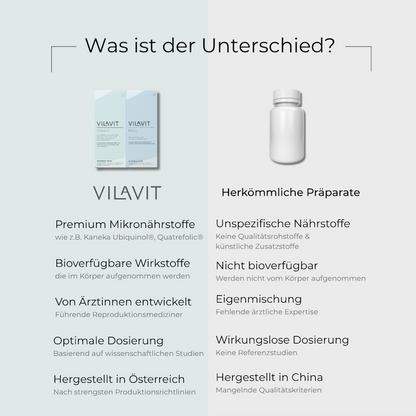
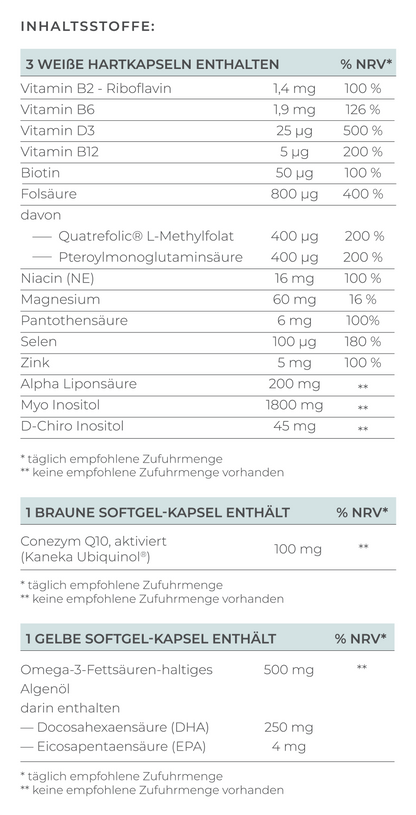
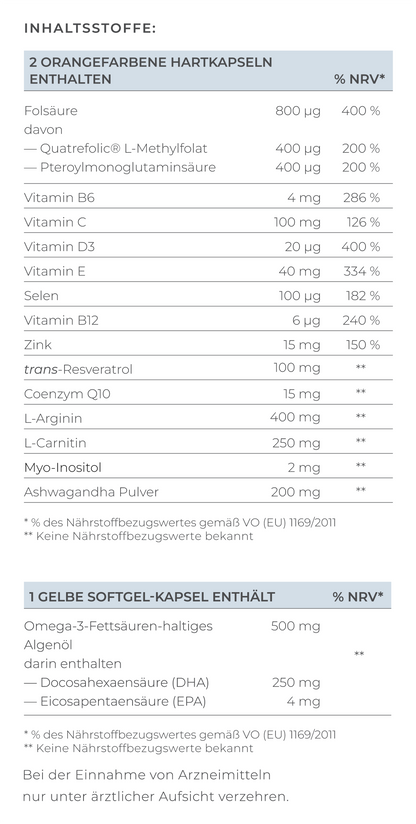
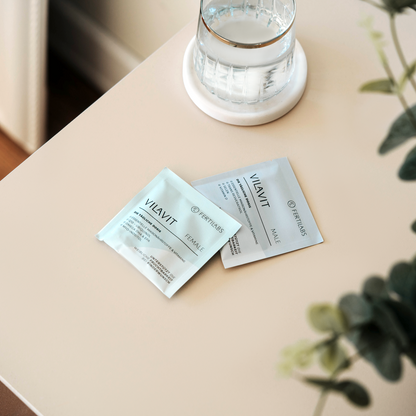
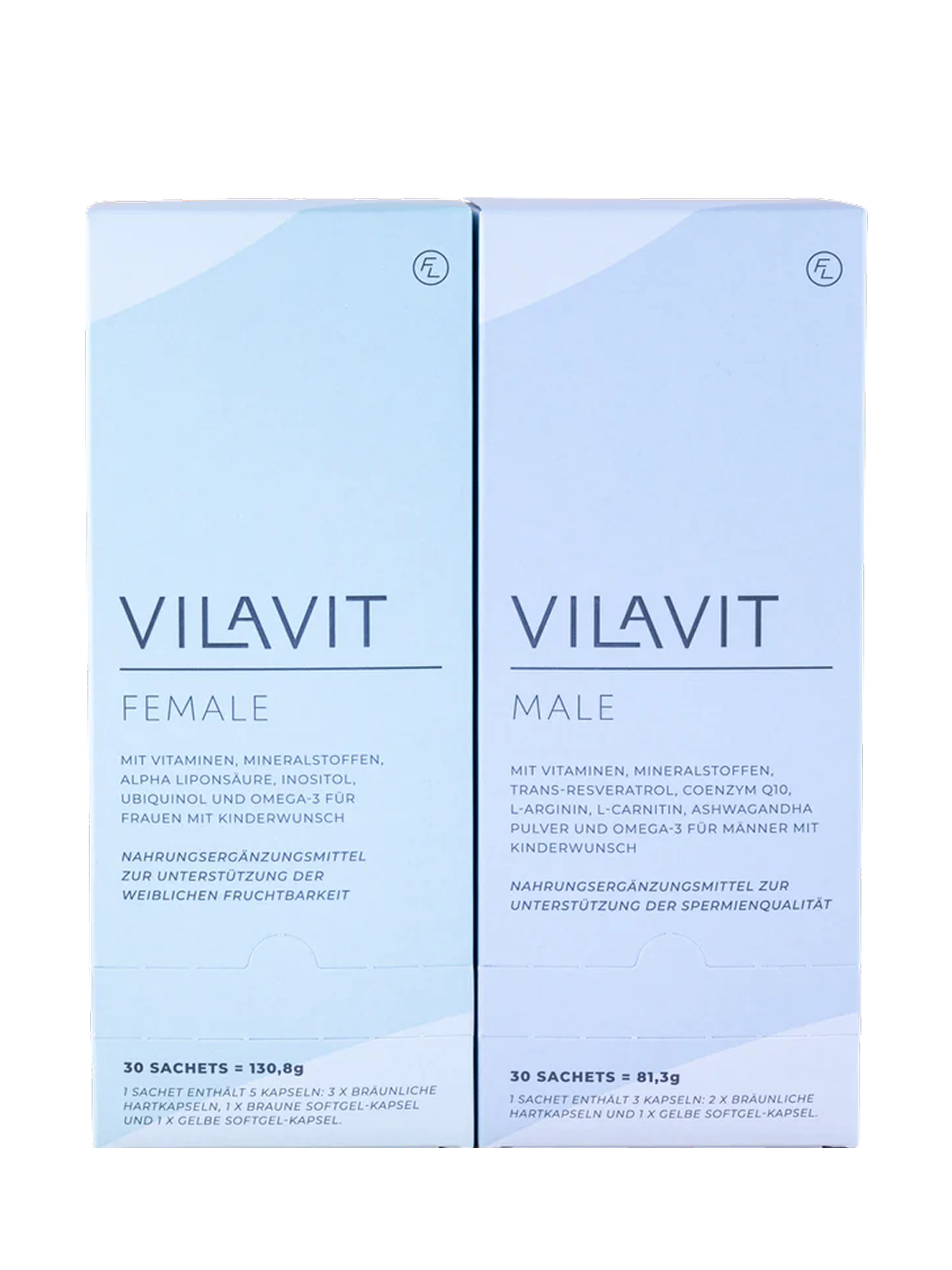
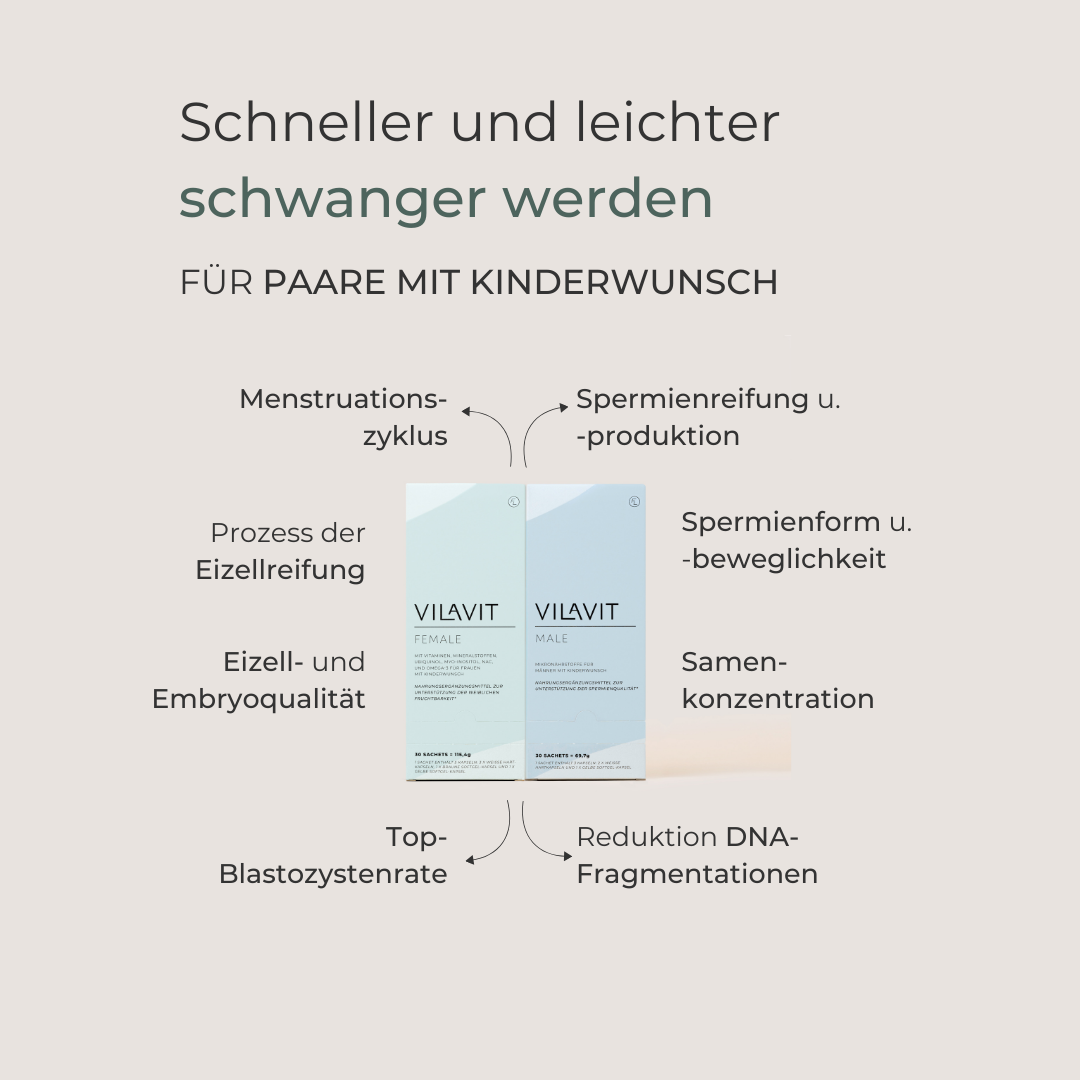
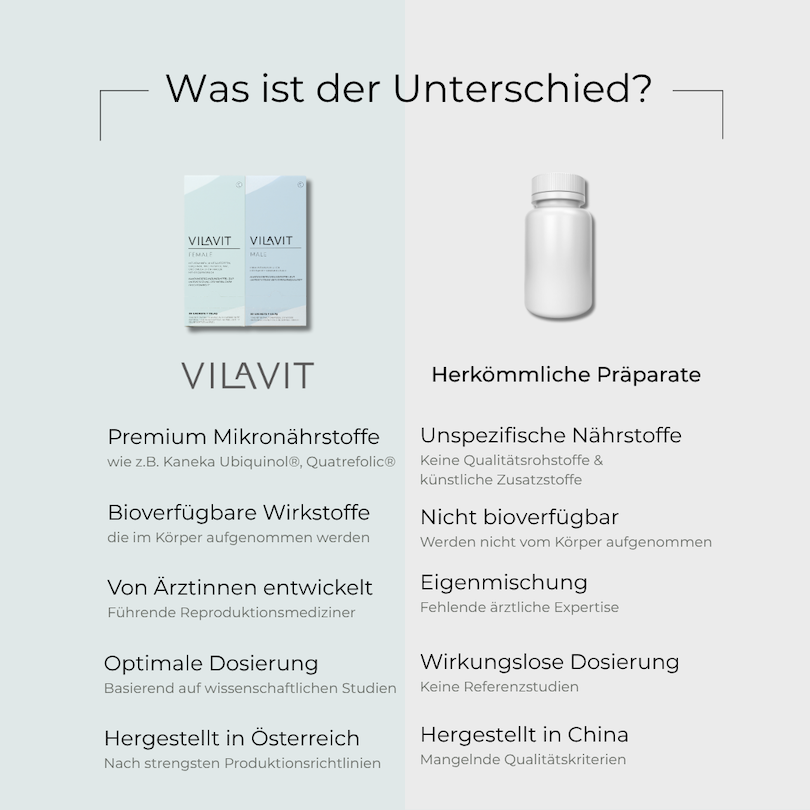
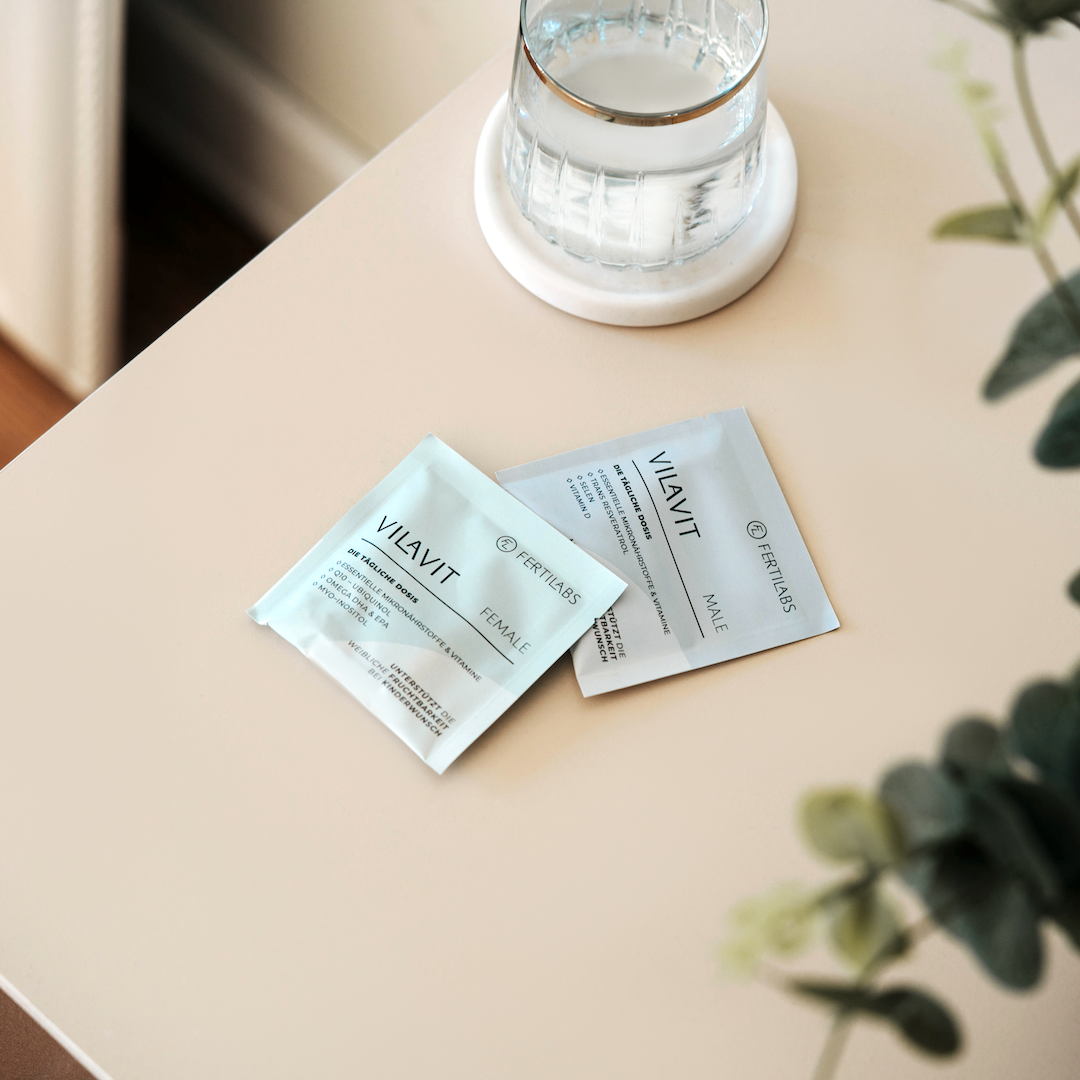
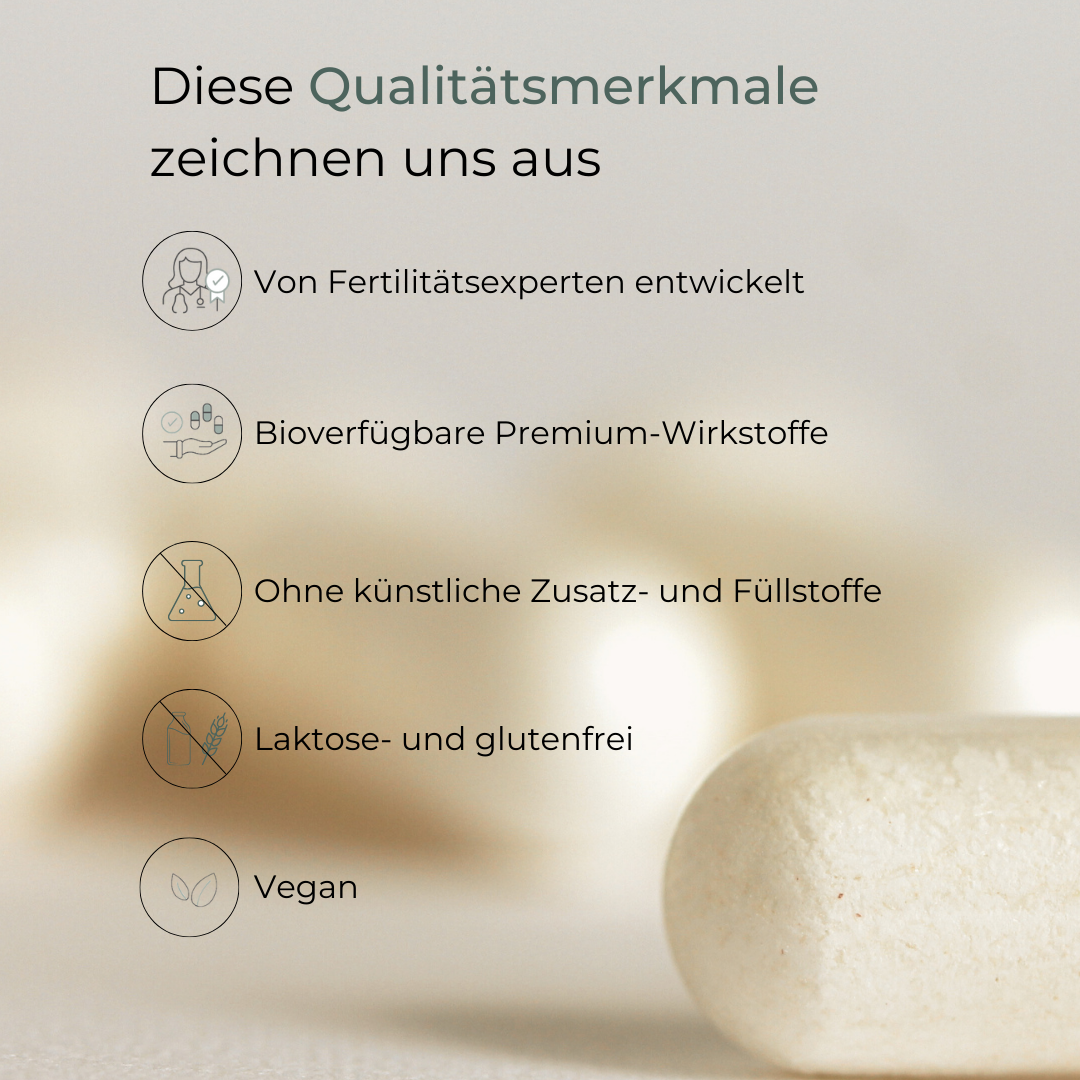
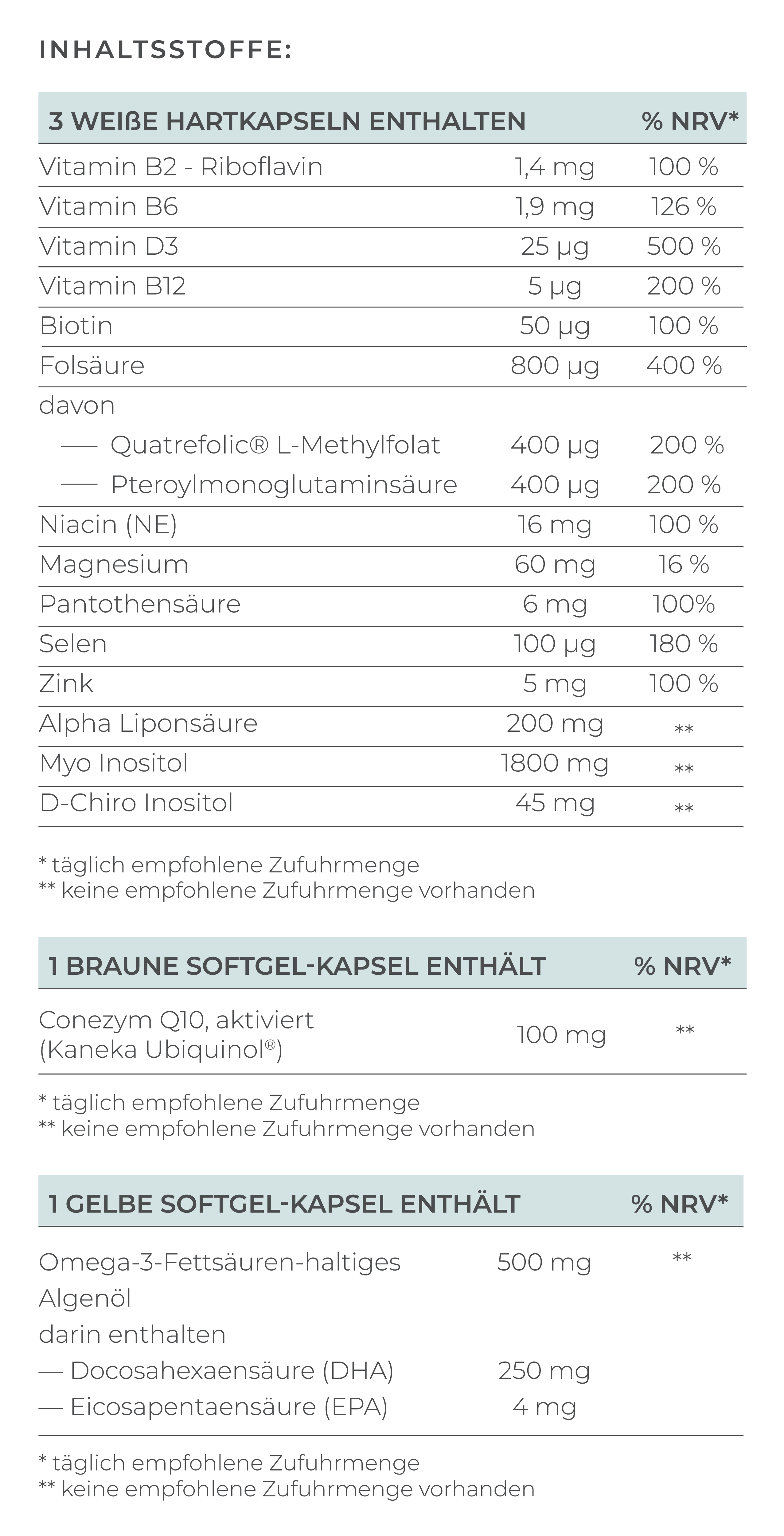
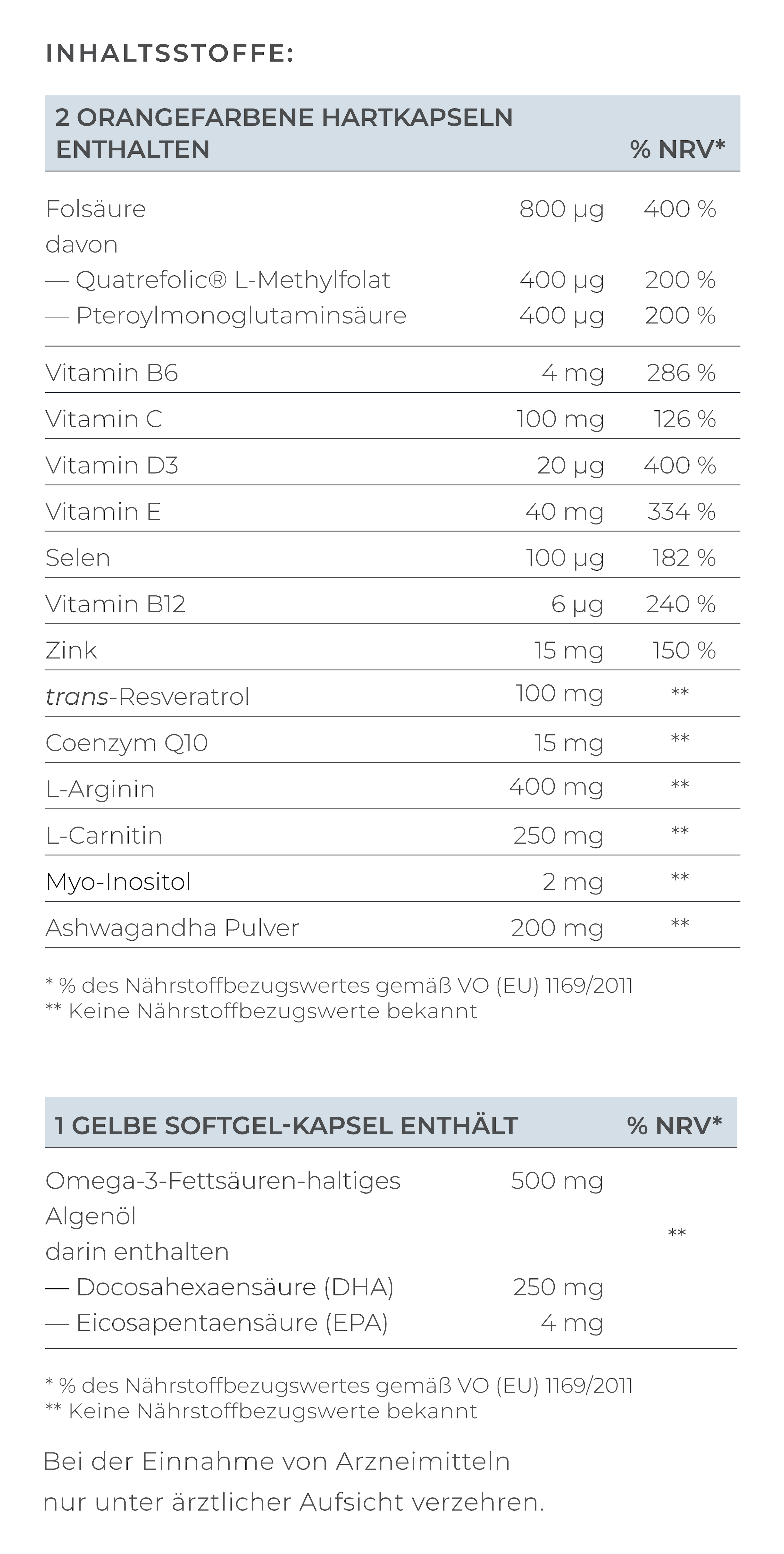
In TCM, acupuncture and nutrition are often combined. A balanced, nutrient-rich diet forms the foundation. Since it is often difficult to obtain all essential nutrients—such as zinc, selenium, or folic acid—in therapeutic amounts through diet alone, supplementation with high-quality fertility supplements like VILAVIT provides ideal support.
Does acupuncture also help with the psychological stress associated with trying to conceive?
Definitely. One of the best-documented effects of acupuncture is the reduction of cortisol levels (the stress hormone). Since chronic stress can negatively affect hormone balance, the relaxing effect of acupuncture is an indirect but powerful factor in fertility.
References
- Miner, S. A., Robins, S., Zhu, Y. J., Keeren, K., Gu, V., Read, S. C., & Zelkowitz, P. (2018). Evidence for the use of complementary and alternative medicines during fertility treatment: a scoping review. BMC complementary and alternative medicine, 18(1), 158. https://doi.org/10.1186/s12906-018-2224-7
- Cochrane, S., Smith, C. A., Possamai-Inesedy, A., & Bensoussan, A. (2014). Acupuncture and women's health: an overview of the role of acupuncture and its clinical management in women's reproductive health. International journal of women's health, 6, 313–325. https://doi.org/10.2147/IJWH.S38969
- Yun, L., Liqun, W., Shuqi, Y., Chunxiao, W., Liming, L., & Wei, Y. (2019). Acupuncture for infertile women without undergoing assisted reproductive techniques (ART): A systematic review and meta-analysis. Medicine, 98(29), e16463. https://doi.org/10.1097/MD.0000000000016463
- Zhang, S., He, H., Wang, J., Ma, L., Wei, X., Zhang, M., & Guo, Y. (2025). Acupuncture as an adjunct therapy for enhancing endometrial receptivity in female infertility: a literature review. Frontiers in physiology, 16, 1548737. https://doi.org/10.3389/fphys.2025.1548737
- Lin, G., Liu, X., Cong, C., Chen, S., & Xu, L. (2023). Clinical efficacy of acupuncture for diminished ovarian reserve: a systematic review and meta-analysis of randomized controlled trials. Frontiers in endocrinology, 14, 1136121. https://doi.org/10.3389/fendo.2023.1136121
- Huang, W., Ling, J., Fang, X., Ou, X., & Du, X. (2023). Comparative efficacy of acupuncture-related interventions for tubal obstructive infertility: A systematic review and Bayesian meta-analysis of randomized controlled trials. Complementary therapies in medicine, 79, 103003. https://doi.org/10.1016/j.ctim.2023.103003
- Hwang, S. I., Yoon, Y. J., Sung, S. H., Cho, S. J., & Park, J. K. (2023). Acupuncture Treatment for Emotional Problems in Women with Infertility: A Systematic Review and Meta-Analysis. Healthcare (Basel, Switzerland), 11(20), 2704. https://doi.org/10.3390/healthcare11202704
- Su, C., Wang, X., Liu, X., Yang, L., Su, T., Wang, H., Li, Y., Zhao, C., Zhang, C., Xiang, W., Tong, G., Chen, L., Zhao, F., Xu, H., & Fang, Y. (2026). Effect of acupuncture for poor ovarian response: a multicenter randomized controlled trial. Frontiers in endocrinology, 17, 1765527. https://doi.org/10.3389/fendo.2026.1765527
- Guven, P. G., Cayir, Y., & Borekci, B. (2020). Effectiveness of acupuncture on pregnancy success rates for women undergoing in vitro fertilization: A randomized controlled trial. Taiwanese journal of obstetrics & gynecology, 59(2), 282–286. https://doi.org/10.1016/j.tjog.2020.01.018
- Kusuma, A. C., Oktari, N., Mihardja, H., Srilestari, A., Simadibrata, C. L., Hestiantoro, A., Wiweko, B., & Muna, N. (2019). Electroacupuncture Enhances Number of Mature Oocytes and Fertility Rates for In Vitro Fertilization. Medical acupuncture, 31(5), 289–297. https://doi.org/10.1089/acu.2019.1368
- Mao, R. Y., Wang, A. L., Zhao, Y., Wang, S. Y., Yang, Z. Y., Xia, Y. B., & Xu, T. C. (2025). Acupuncture-assisted embryo transfer techniques: Research frontiers and future directions. World journal of transplantation, 15(3), 102536. https://doi.org/10.5500/wjt.v15.i3.102536
- Feng, J., He, H., Wang, Y., Zhang, X., Zhang, X., Zhang, T., Zhu, M., Wu, X., & Zhang, Y. (2022). The efficacy and mechanism of acupuncture in the treatment of male infertility: A literature review. Frontiers in endocrinology, 13, 1009537. https://doi.org/10.3389/fendo.2022.1009537