


Anyone who has been trying to conceive for a while will sooner or later come across "Pimp My Eggs." This list of six micronutrients is shared in online forums, discussed at fertility clinics and purchased in countless variations. Here you will learn where the idea came from, what a supplement schedule looks like, which dosages exceed recommended maximum levels and what the research actually shows.
We want to clear up one myth: the Pimp My Eggs formula circulating online is not supported by scientific studies. Its zinc and selenium dosages are even so high that they may do more harm than good.
Pimp My Eggs: Key Facts at a Glance
- Pimp My Eggs is a treatment with a list of six nutrients: vitamin D, folate, omega-3, coenzyme Q10, zinc and selenium.
- The list originated with a woman who experienced fertility challenges, not with scientific research. Studies examine individual nutrients, not this particular combination.
- The original formula contains several times the maximum levels of zinc and selenium recommended for food supplements by the German Federal Institute for Risk Assessment (BfR).
- Eggs mature over approximately three months. If you want to make changes, you should therefore allow at least twelve weeks.
- Especially after 40, every egg matters. That makes it all the more important to provide the nutrients needed for egg maturation in appropriate dosages and bioavailable forms for at least three months.
What Is Pimp My Eggs?
The term can be traced to a German blog, Rebecca Fett’s book "It Starts with the Egg," and the experiences of other women trying to conceive. The catchy name did the rest: today dozens of variations circulate, often including additional substances such as melatonin, myo-inositol or DHEA.
The reasoning is understandable. Eggs need a great deal of energy during their final maturation, supplied by mitochondria. As we age, these cellular powerhouses become less efficient, and errors in chromosome separation during cell division become more common. Micronutrients such as coenzyme Q10, folate, zinc and selenium play a role in these processes. This gave rise to the idea that targeted nutrient intake could "boost" or improve egg quality.
Pimp My Eggs is used particularly before IVF or ICSI, by women over 35 and after miscarriages. Many women also take these nutrients when trying to conceive naturally.
Why Egg Quality Matters So Much
All of a woman’s eggs are already formed before she is born. They remain dormant until puberty. After that, a small group starts maturing in each cycle, and usually one egg is released. With each passing year, the number decreases and the remaining eggs age.
The effects of age are especially apparent during an egg’s final division. Shortly before ovulation, the egg must divide its double set of chromosomes precisely in half. If an error occurs, the egg has one chromosome too many or too few. Such eggs can often still be fertilized, but the resulting embryo frequently fails to implant or is lost in the first weeks. The proportion of these errors increases significantly with age.
An egg needs a great deal of energy for this division. Its mitochondria, the cell’s tiny powerhouses, provide that energy. This is where the Pimp My Eggs idea comes in: nutrients involved in energy production and protection against oxidative stress are intended to support the egg during this process.
The Six Nutrients: Their Roles and What Studies Show
There are no scientific studies of the Pimp My Eggs combination itself. Only individual nutrients have been investigated, often in women undergoing IVF. A large review of 63 studies concluded that antioxidants might slightly increase the chances of pregnancy (Showell et al., 2020).
Coenzyme Q10
In brief: The best-studied nutrient on the list, especially in women with diminished ovarian reserve.
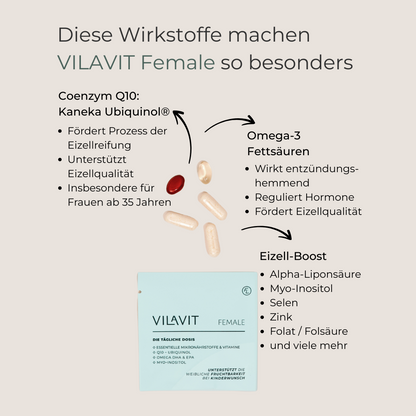
Coenzyme Q10 is found in mitochondria, the cell’s powerhouses, where it helps generate energy. It also protects cells against oxidative stress. The body produces Q10 itself, but production declines with age. In older mice, Q10 improved mitochondrial function in eggs (Ben-Meir et al., 2015).
What studies show: In a pooled analysis of five studies involving women undergoing fertility treatment, approximately twice as many women became pregnant with Q10 supplementation as without it (Florou et al., 2020). Q10 is available as ubiquinone and ubiquinol. Ubiquinol is better absorbed: at the same dose, blood Q10 levels were approximately 1.5 times higher (Zhang et al., 2018).
Zinc
In brief: Essential for egg maturation, but only in the right amount.
Zinc contributes to normal fertility and reproduction. It keeps an egg in a resting state until it is mature and is released during fertilization (Bernhardt et al., 2012). Good sources include whole grains, legumes, nuts, meat and cheese.
What studies show: In mice, just a few days of insufficient zinc before ovulation led to the development of significantly fewer embryos (Tian and Diaz, 2013). Experts therefore advise considering zinc status in women at risk of deficiency (Garner et al., 2021).
Selenium
In brief: Important for protecting cells.
Selenium is a component of enzymes that protect cells against oxidative stress and is needed for thyroid function.
What studies show: Women with higher blood selenium levels had more follicles and eggs (Lima et al., 2022).
Folate
In brief: Recommended for every woman trying to conceive, ideally starting at least four weeks before conception.
Folate is needed for cell division and the formation of genetic material. Good folate status before pregnancy reduces the risk of neural tube defects in the baby. The body can use folate directly, whereas folic acid first has to be converted. In some women, a genetic variant slows this conversion. Read more in our article on MTHFR mutations when trying to conceive (MTHFR Mutation and Fertility)
What studies show: In a large Harvard study, women who took folic acid supplements before pregnancy had a 20% lower risk of miscarriage (Gaskins et al., 2014). Among women undergoing fertility treatment, good folate levels were associated with a higher chance of having a baby (Gaskins et al., 2015).
Vitamin D
In brief: Have your level checked first, then address any deficiency specifically.
Vitamin D acts like a hormone in the body; the ovaries and uterine lining also respond to it. In Central Europe, many people have low levels, particularly in winter.
What studies show: Deficiency is associated with reduced fertility, particularly in PCOS (now also called PMOS). In a pooled analysis of twelve studies involving women undergoing IVF, more women became pregnant with vitamin D supplementation. The effect was most pronounced in women who initially had low vitamin D levels (Meng et al., 2023).
Omega-3 Fatty Acids
In brief: Promising, especially if you rarely eat fish.
The omega-3 fatty acid DHA is a building block of every cell membrane and helps maintain a balanced inflammatory response.
What studies show: A pooled analysis of six studies involving women undergoing fertility treatment found higher pregnancy rates with omega-3 (Trop-Steinberg et al., 2024). In women undergoing IVF, higher blood omega-3 levels were associated with more live births (Chiu et al., 2018).
The Original Supplement Formula and Maximum Levels
The table shows the formula as published on the German blog. Alongside it are the maximum daily levels in food supplements recommended by the German Federal Institute for Risk Assessment (BfR, 2024). There are no binding maximum levels across the EU. The BfR figures therefore also provide useful guidance in Austria.
| Nutrient | Pimp My Eggs (original, per day) | Recommended maximum in food supplements (BfR, per day) and context |
|---|---|---|
| Vitamin D | 2,000 IU (50 µg) | 20 µg (800 IU) |
| Folate | 800 µg | 400 µg recommended when trying to conceive; 800 µg possible in early pregnancy |
| Omega-3 | 1,000 mg | No BfR maximum level. What matters is that it contains at least 250 mg DHA. |
| Coenzyme Q10 | 200 mg | No official maximum level |
| Zinc | 30 mg | 6.5 mg (the formula contains about five times this amount, which may even have the opposite effect) |
| Selenium | 200 µg | 40 µg (the formula contains about five times this amount; the margin between enough and too much is narrow) |
How to take the nutrients:
- At least three months. The egg that will be released in three months is entering its final maturation phase today. Before IVF, this means starting now rather than waiting until ovarian stimulation begins.
- With a meal. Vitamin D, coenzyme Q10 and omega-3 are fat-soluble. They are absorbed better with breakfast or lunch than on an empty stomach.
- Avoid doubling up. If you combine several supplements, add together the zinc, selenium and vitamin D they contain. Many multivitamins already include these nutrients.
- Switch supplements when pregnant. Once you have a positive pregnancy test, your body has different needs: folate, iodine, vitamin D and DHA in pregnancy-appropriate amounts. Coenzyme Q10 and high doses of zinc or selenium are no longer part of that regimen.
Dosage: Why More Is Not Better
Although it can seem that more nutrients must be better, this is not true for zinc and selenium. Higher amounts offer no additional benefit and may harm your body.
The "original formula" contains 30 mg zinc and 200 µg selenium per day. Each is approximately five times the level the BfR recommends for food supplements.
The consequences are documented:
At high doses, zinc inhibits copper absorption. Over weeks and months this can lead to copper deficiency (NIH Office of Dietary Supplements). Fertility specialists also regularly see women in their practices who take very high amounts of zinc for months without any improvement in outcomes. Some even observe lower fertilization rates. A small study supports this observation: the more zinc present in follicular fluid, the lower the fertilization rate of eggs (Ingle et al., 2017).
Early signs of excessive selenium intake include hair loss and brittle nails (EFSA, 2023). In one study, 1,202 adults took 200 µg of selenium daily for years, exactly the amount in the formula. They developed type 2 diabetes approximately 50% more often than the comparison group (Stranges et al., 2007).
By contrast, not a single study shows that these high amounts benefit eggs. Our advice: take zinc and selenium only within the recommended range.
Pimp My Eggs After 40
Many women look into Pimp My Eggs when they are 40 or older. This is understandable: from the mid-30s onward, both egg number and quality decline significantly. The main reason is errors in chromosome separation. Studies from IVF laboratories show that by the early 40s, more than half of embryos have an abnormal number of chromosomes.
What this means for you:
- Time is the most important factor. From age 35, professional societies recommend visiting a fertility clinic after just six months of trying without becoming pregnant.
- AMH indicates quantity, not quality. A low level does not mean there are no good eggs left. Read more in our article Why a Low AMH Level Tells You Almost Nothing (AMH Levels and Ovarian Reserve)
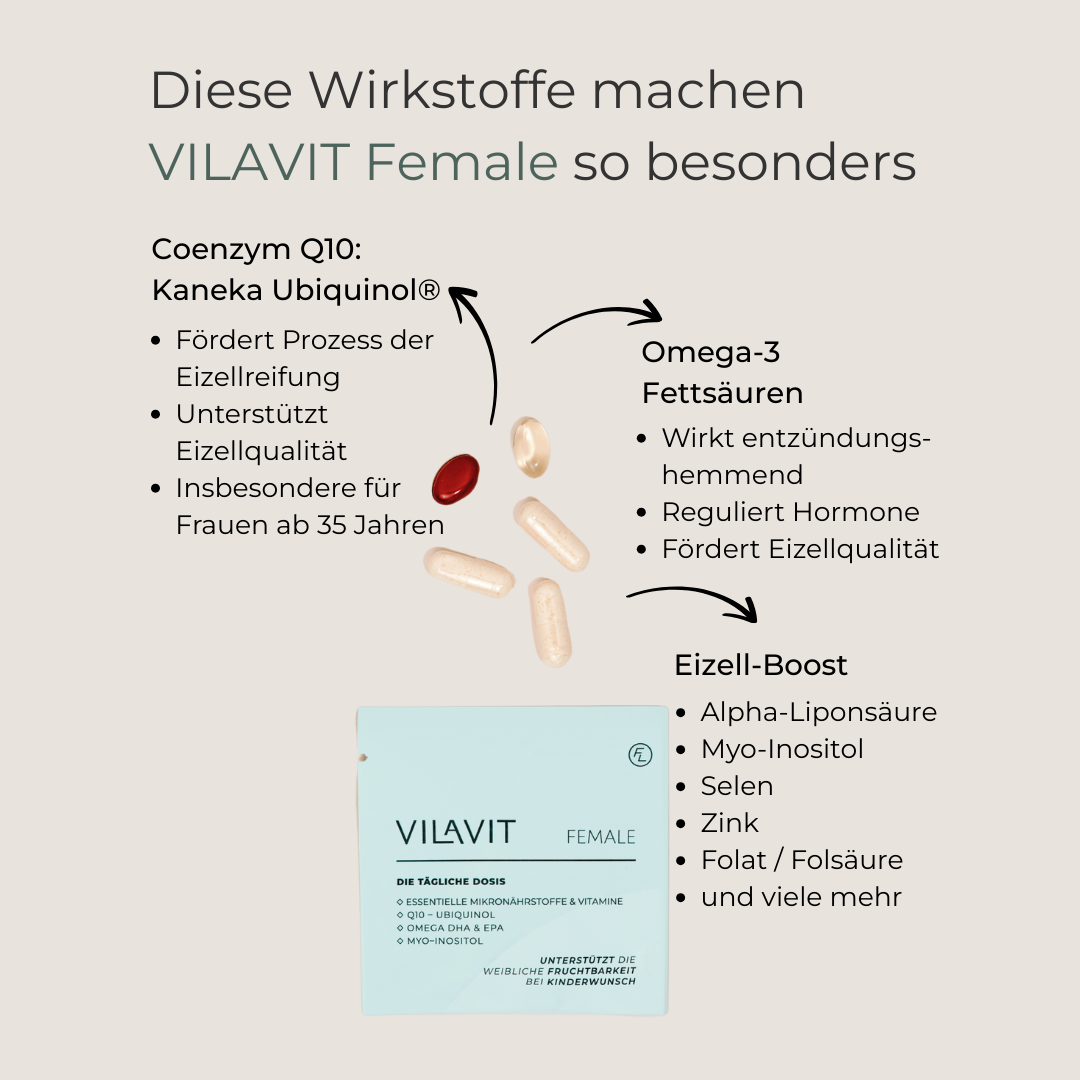
- Coenzyme Q10 is the best-studied component. Most studies were conducted in women whose ovarian reserve was already diminished. We recommend ubiquinol, the bioavailable form of Q10, because the body absorbs it more readily (Zhang et al., 2018).
- Only take DHEA under medical supervision. DHEA appears on many lists for women over 40. It is a hormone and is classified as a prescription-only medicinal substance in Germany and Austria. It cannot be sold as a food supplement in either country. Please do not order it from abroad on your own.
For more information about your chances after 40, read our article Getting Pregnant at 40: Myths and Facts
Success Stories and Experiences with Pimp My Eggs
Online forums contain hundreds of personal accounts. Some women report more eggs, higher fertilization rates or better blastocysts in their next IVF cycle. Others report having more energy.
What to look for when reading personal experiences:
- How old was the woman, and what was her starting situation? A report from someone aged 33 cannot simply be applied to someone aged 42.
- Did anything else change? A new protocol, a different clinic, weight loss or treatment of a deficiency often explains more.
- Which amounts were taken? Anyone following the original formula for months is consuming far more zinc and selenium than recommended, which may even have a negative effect on fertility.
Egg quality cannot be measured directly. IVF results provide indirect indications: how many mature eggs were retrieved, how many were fertilized and how many reached the blastocyst stage.
Individual Supplements or an All-in-One Formula?
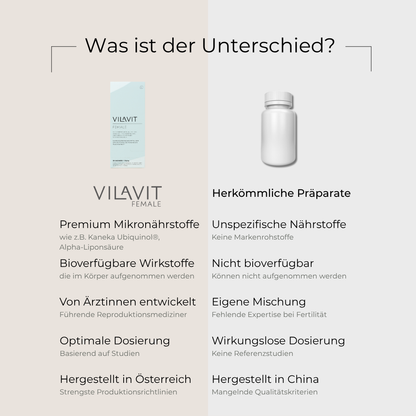
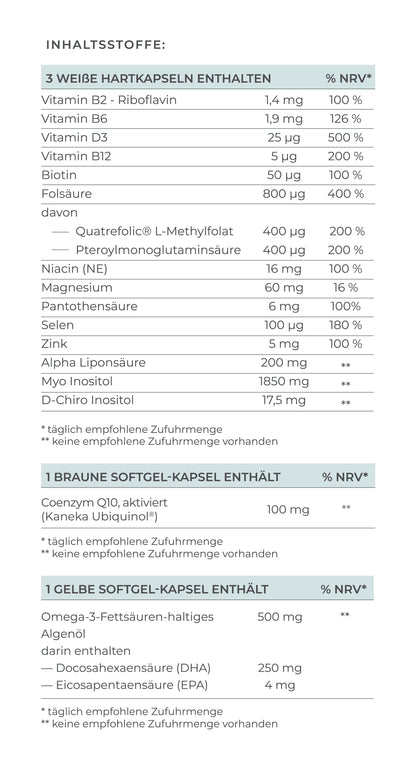
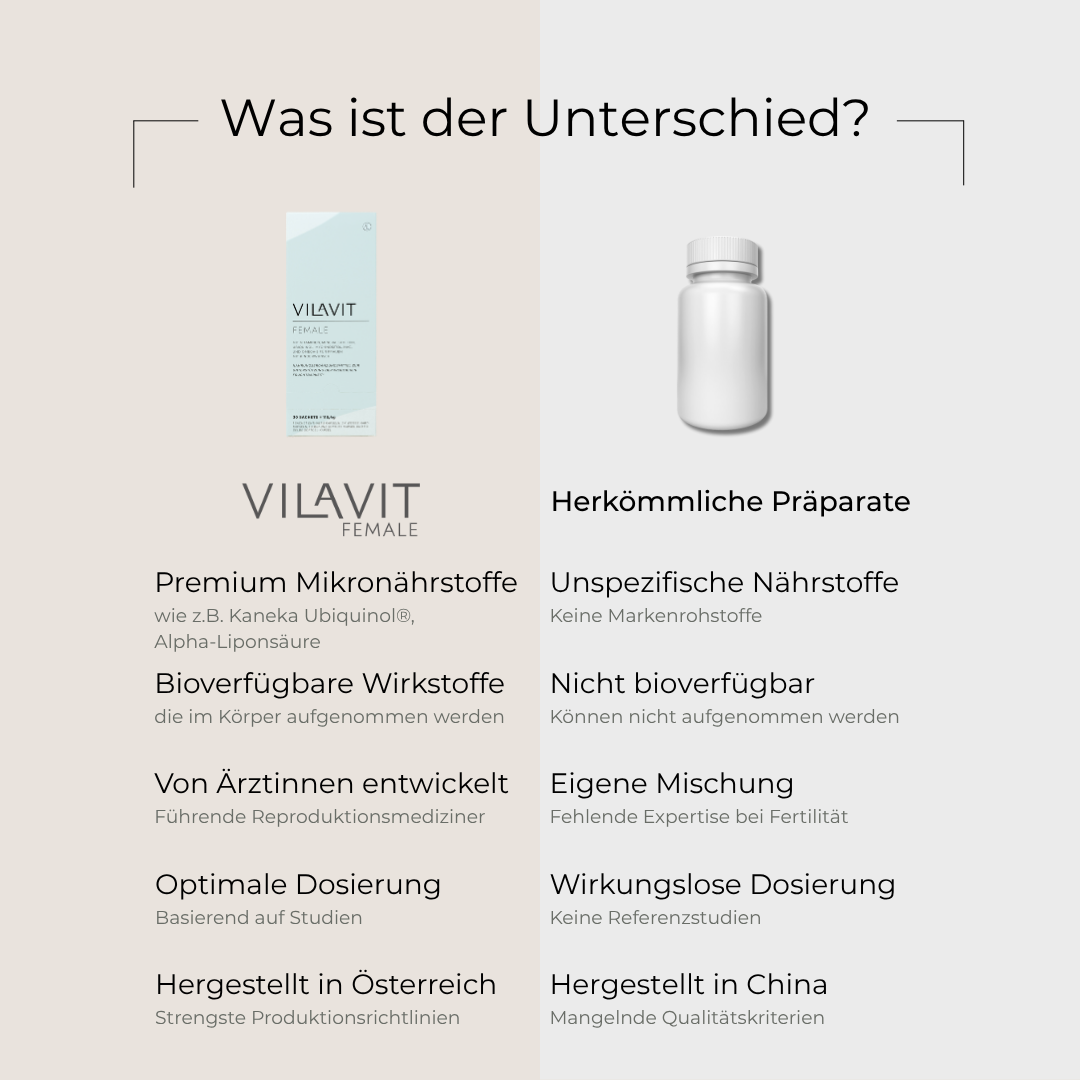
The original formula consists of six different nutrients, often from six separate packages. This is expensive and quickly becomes complicated to manage. Combination supplements provide the nutrients together in one daily regimen. Both approaches are possible; the amounts are what matter.
| Individual supplements | Combination supplement | |
|---|---|---|
| Capsules per day | 6 to 10 | Usually 2 to 3 |
| Risk of excessive intake | Higher, because zinc, selenium and vitamin D from different products can add up | Lower, if the product is dosed within the recommended range |
| Cost | Often higher overall | Often lower overall |
What to look for in any supplement:
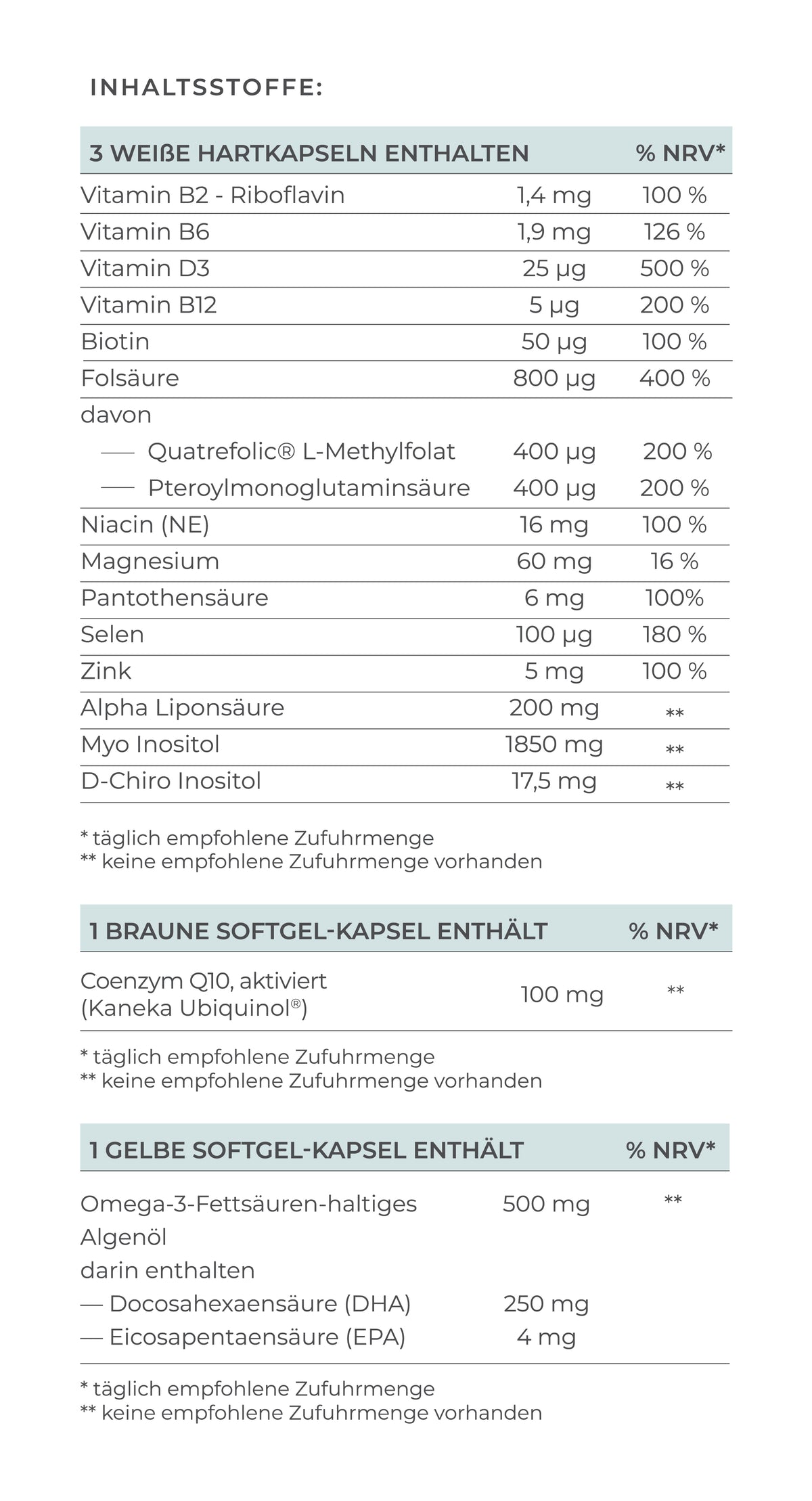
- Zinc and selenium at or below the BfR recommended maximum levels
- Folate as 5-MTHF or a combination of folate and folic acid, totaling at least 400 µg
- For omega-3, what matters is not the total of 1,000 mg but at least 250 mg of DHA
- Coenzyme Q10 in the bioavailable ubiquinol form, which is better absorbed by the body
What Else You Can Do for Your Eggs
Nutrients are only one part of the picture. Everyday habits are at least as important, for your partner, too:
- Stop smoking. Smoking is one of the few factors proven to accelerate the decline in ovarian reserve.
- Limit alcohol. Ideally, avoid it altogether while trying to conceive.
- Maintain a healthy weight. Being significantly overweight or underweight can disrupt your menstrual cycle.
- Eat a Mediterranean-style diet. Plenty of vegetables, legumes, whole grains, fish and olive oil. Read more in our article Nutrition and Fertility.Nutrition When Trying to Conceive
- Prioritize sleep and manage stress. Seven to eight hours of sleep and regular breaks support hormonal balance. Read more in Stress and Fertility.Stress and Fertility
- Get relevant conditions checked. Thyroid function, vitamin D status, endometriosis or PMOS should be assessed and treated as appropriate. This often makes more difference than any supplement.
For men, there is a similar list called Pimp My Sperm. Sperm also take approximately three months to mature.Pimp My Sperm
Frequently Asked Questions About Pimp My Eggs
How long should I take Pimp My Eggs?
At least three months. That is how long it takes an egg to complete its final maturation phase and become ready for ovulation. The egg that will be released in three months is therefore already developing today. If you are preparing for IVF, you should start as soon as you decide to proceed with treatment rather than waiting for stimulation.
Many women continue taking the nutrients until they have a positive pregnancy test. If conception takes longer, there is no need to take a break.
Can I continue taking Pimp My Eggs during IVF stimulation?
Yes, because this is precisely when the eggs are maturing in preparation for egg retrieval.
Can I continue taking Pimp My Eggs during pregnancy?
No, not in this form. Once your pregnancy test is positive, your body’s nutritional needs change. Folate, iodine, vitamin D and the omega-3 fatty acid DHA become particularly important, in amounts recommended during pregnancy. Coenzyme Q10 has barely been studied during pregnancy, and high doses of zinc or selenium are not recommended.
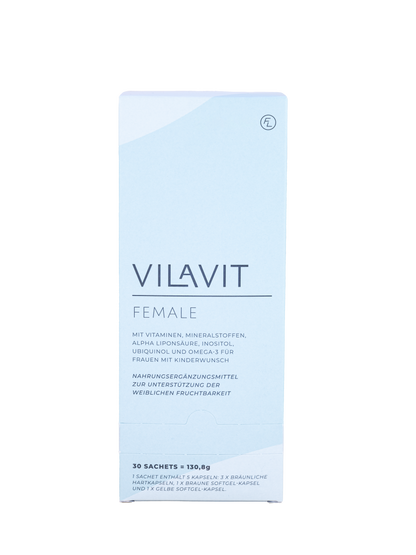
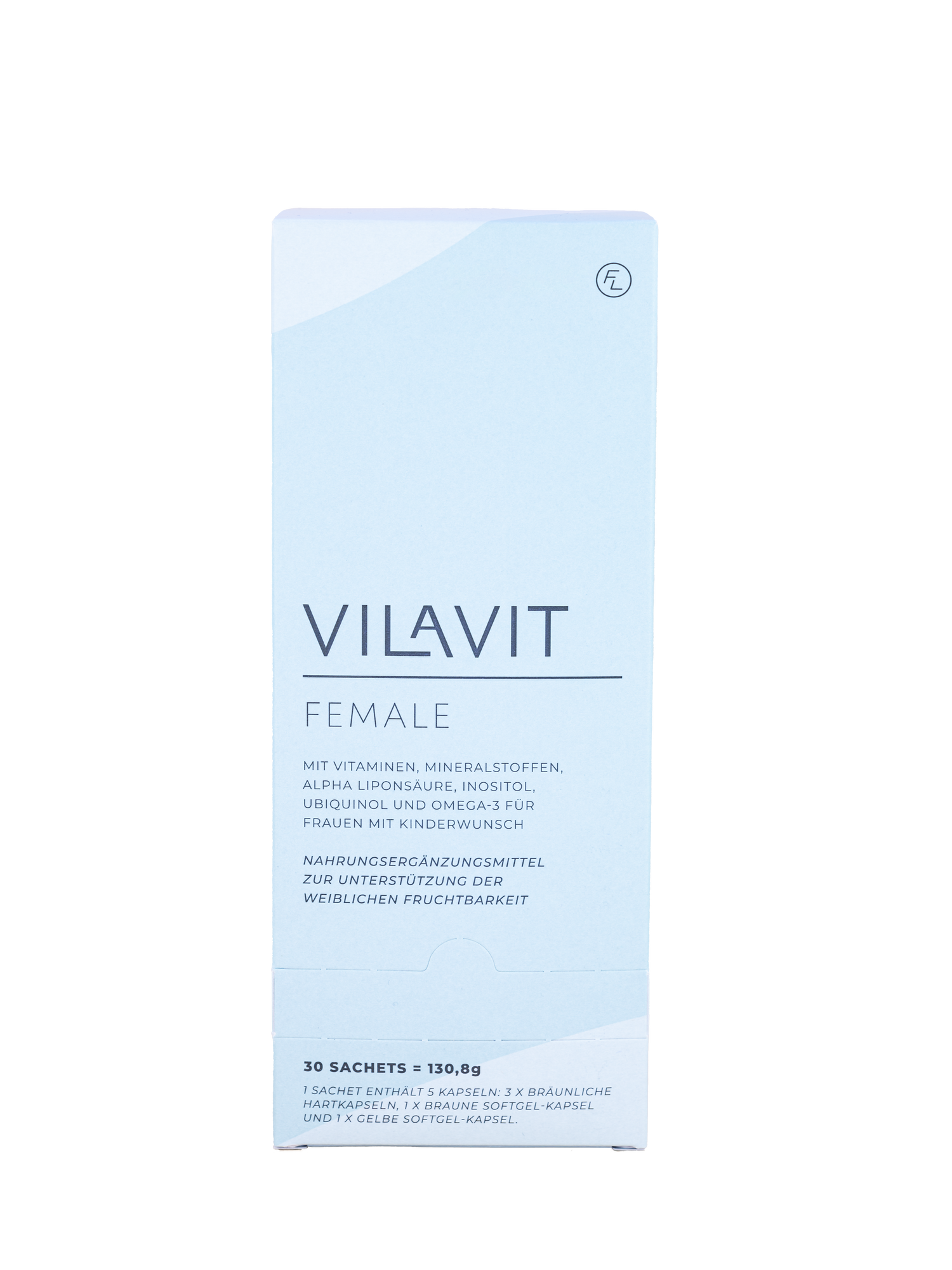
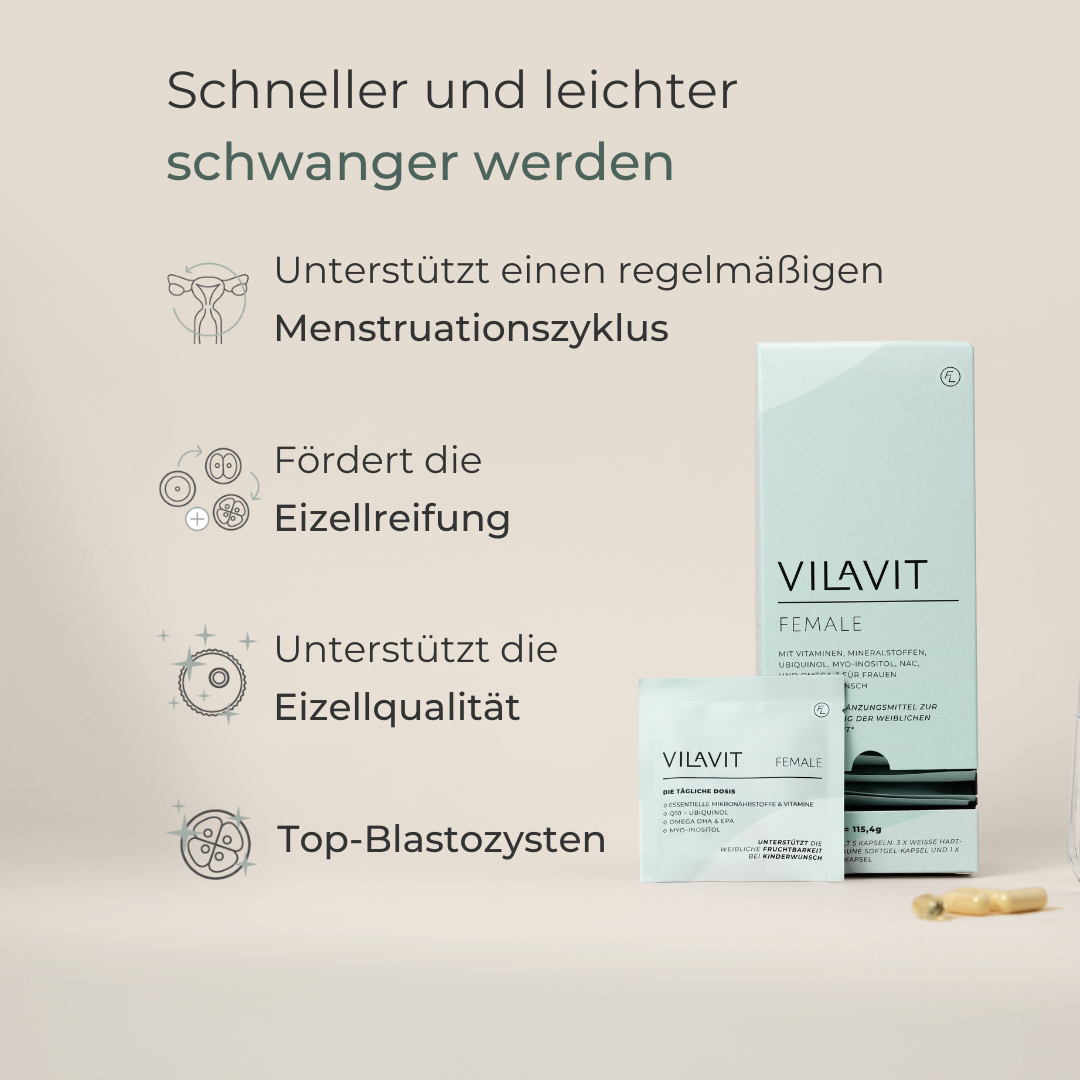
The simplest option is to switch to a supplement designed for pregnancy and breastfeeding, such as VILAVIT Prenatal.
Can Pimp My Eggs also help when trying to conceive naturally?
Good nutrient intake makes sense before any pregnancy, regardless of how conception occurs.
Are there any side effects?
At recommended amounts, these nutrients are generally well tolerated.
Problems arise mainly from excessive intake over a prolonged period: too much zinc disrupts copper metabolism, too much selenium can damage hair and nails, and too much vitamin D can put a strain on the kidneys. If you take blood thinners or thyroid medication, discuss supplementation with your doctor first.
Can vitamin C improve my egg quality?
There is no good evidence for this. Vitamin C is a well-known antioxidant and important for the immune system, which is why it appears on many fertility supplement lists. However, studies in women undergoing IVF found no higher implantation or pregnancy rates with vitamin C, either during stimulation or in the period after ovulation.
If you eat a varied diet rich in fruit and vegetables, you will usually get enough vitamin C. An additional supplement is not necessary for your eggs.
When should I visit a fertility clinic?
If you are under 35 and have had regular unprotected sex for one year without becoming pregnant. From age 35, professional societies recommend seeking fertility care after six months; from age 40, ideally straight away.
Seek help earlier if you already know of a potential issue: very irregular or absent periods, endometriosis, PMOS, previous surgery on the fallopian tubes or ovaries, or multiple miscarriages. Your partner should also be assessed from the outset. A semen analysis is quick and can identify a common cause. You can find a checklist for the first consultation in our article Your First Fertility Clinic Appointment Your Start at the Fertility Clinic
How can I find out how many eggs I have left?
Your AMH level provides an indication. Anti-Müllerian hormone is produced by small follicles in the ovaries and can be measured with a simple blood test, regardless of the day of your cycle. Together with an ultrasound scan in which the doctor counts visible follicles, it helps build a picture of your ovarian reserve.
Equally important is what the result does not tell you: AMH reflects egg quantity, not quality. Women with PMOS (previously PCOS) often have high AMH levels, but their egg quality may still be impaired. Endometriosis, on the other hand, can reduce ovarian reserve and lower AMH. A low AMH level also does not mean that natural pregnancy is impossible. Read more in our articles on anti-Müllerian hormone and low AMH levels Anti-Müllerian Hormone and low AMH levels.
Food supplements are not a substitute for a balanced diet and a healthy lifestyle.
References
Studies
Florou P, Anagnostis P, Theocharis P, Chourdakis M, Goulis DG. Does coenzyme Q10 supplementation improve fertility outcomes in women undergoing assisted reproductive technology procedures? A systematic review and meta-analysis of randomized-controlled trials. J Assist Reprod Genet. 2020
Zhang Y, Liu J, Chen X, Chen CY. Ubiquinol is superior to ubiquinone to enhance Coenzyme Q10 status in older men. Food Funct. 2018
Showell MG, Mackenzie-Proctor R, Jordan V, Hart RJ. Antioxidants for female subfertility. Cochrane Database Syst Rev. 2020
Gaskins AJ et al. Maternal prepregnancy folate intake and risk of spontaneous abortion and stillbirth. Obstet Gynecol. 2014
Gaskins AJ et al. Association between serum folate and vitamin B-12 and outcomes of assisted reproductive technologies. Am J Clin Nutr. 2015
Meng X, Zhang J, Wan Q, Huang J, Han T, Qu T, Yu LL. Influence of Vitamin D supplementation on reproductive outcomes of infertile patients: a systematic review and meta-analysis. Reprod Biol Endocrinol. 2023
Trop-Steinberg S, Gal M, Azar Y, Kilav-Levin R, Heifetz EM. Effect of omega-3 supplements or diets on fertility in women: a meta-analysis. Heliyon. 2024
Chiu YH, Karmon AE, Gaskins AJ et al. Serum omega-3 fatty acids and treatment outcomes among women undergoing assisted reproduction. Hum Reprod. 2018
Bernhardt ML, Kong BY, Kim AM, O’Halloran TV, Woodruff TK. A zinc-dependent mechanism regulates meiotic progression in mammalian oocytes. Biol Reprod. 2012
Tian X, Diaz FJ. Acute dietary zinc deficiency before conception compromises oocyte epigenetic programming and disrupts embryonic development. Dev Biol. 2013
Garner TB, Hester JM, Carothers A, Diaz FJ. Role of zinc in female reproduction. Biol Reprod. 2021
Ben-Meir A, Burstein E, Borrego-Alvarez A et al. Coenzyme Q10 restores oocyte mitochondrial function and fertility during reproductive aging. Aging Cell. 2015 (animal study)Coenzyme Q10 restores oocyte mitochondrial function and fertility during reproductive aging
Lima LG, Santos AAMD, Gueiber TD, Gomes RZ, Martins CM, Chaikoski AC. Relation between Selenium and Female Fertility: A Systematic Review. Rev Bras Ginecol Obstet. 2022
Nehra D, Le HD, Fallon EM et al. Prolonging the female reproductive lifespan and improving egg quality with dietary omega-3 fatty acids. Aging Cell. 2012 (animal study)Prolonging the female reproductive lifespan and improving egg quality with dietary omega-3 fatty acids
Recommendations and Professional Information
Verbraucherzentrale (German Consumer Advice Centre). Micronutrients: When is too much? Including BfR recommendations for maximum levels (Opinion 006/2024) Mikronährstoffe: Ab wann ist es zu viel?
Verbraucherzentrale (German Consumer Advice Centre). The anti-aging hormone DHEA Anti-Aging-Hormon DHEA