


- Increased Energy Needs: Breastfeeding mothers need approximately 400–500 additional calories per day to support milk production and their own recovery.
- Key building blocks: An increased intake of protein (1.3 g/kg) and omega-3 fatty acids (DHA) is essential for the baby’s growth and brain development.
- Critical micronutrients: The need for vitamins A, B12, C, and iodine can double in some cases, which is often difficult to meet through diet alone.
- Supplementation: High-quality dietary supplements can fill gaps, but they are no substitute for a balanced, varied diet.
Even after pregnancy, nutrition and micronutrient intake remain a top priority: on the one hand, generally because your body needs to recover, and on the other hand, specifically for breastfeeding moms, because they still have a pretty demanding (and wonderful) time ahead of them.
But it’s not just the right amount of food—the right nutrients are also crucial for you and your baby. Studies have shown that a higher-quality diet for the breastfeeding mother leads to improved development in her baby (Lipsky, L., et al., 2023).
More Energy and Protein for Your Baby While Breastfeeding
In addition to the pregnancy itself, breastfeeding also increases a new mom’s calorie needs. Especially online, some women report losing weight while breastfeeding. In general, breastfeeding increases your calorie needs, which is why weight loss is possible but dangerous. This is because an energy deficit during breastfeeding can harm not only you but also your milk production, milk quality, and thus your little miracle. Your health—and, of course, your baby’s—should always be the top priority, even after the postpartum period, and should never be put at risk.
In the U.S., an additional daily calorie intake of 400 kcal is officially recommended during breastfeeding. In the EU, as much as 500 kcal is recommended as a supplement during breastfeeding! That’s not much less than during pregnancy, and for good reason: Just as during pregnancy, your little one continues to be nourished by you and your calorie intake. Although this no longer works quite as directly and unnoticed as during pregnancy, it is by no means any less taxing on your body (Perichart-Perera O., 2025).
You should also pay special attention to your protein intake, as this should also be increased. For breastfeeding moms, a protein intake of 1.3 grams per kilogram of body weight per day is recommended. This amount is also quite clearly higher than the generally recommended value for the general population. Here, too, it’s important to remember that breastfeeding super-moms truly have to eat for two (Perichart-Perera O., 2025).
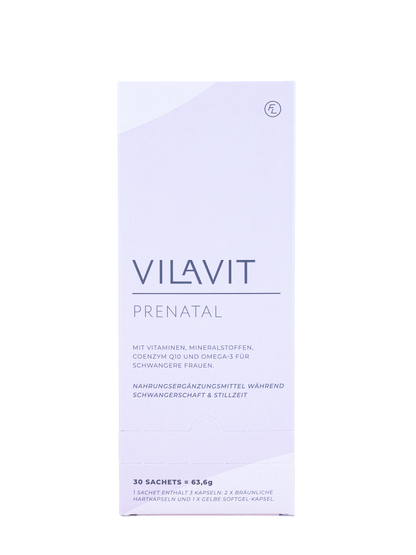
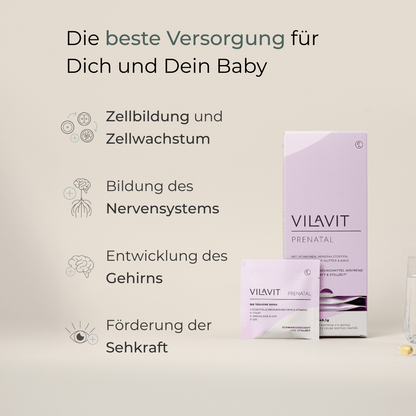
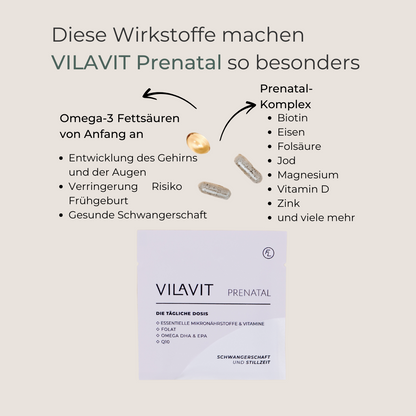
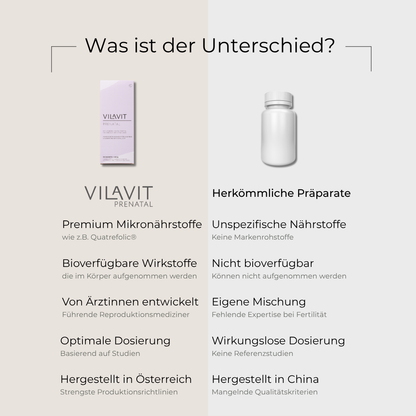
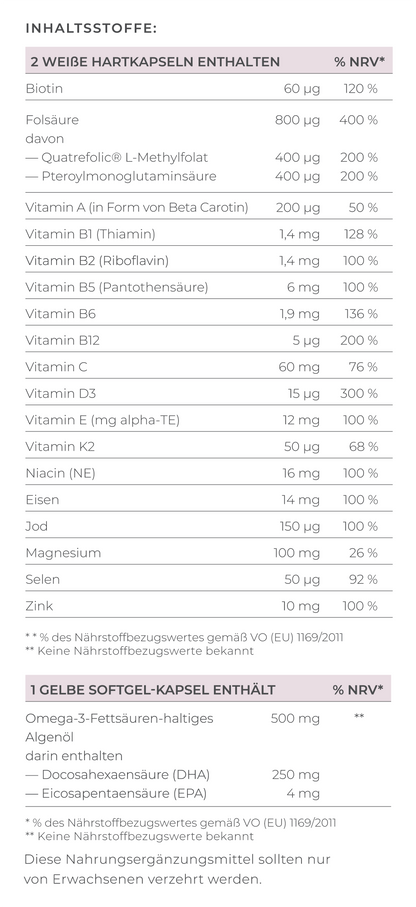
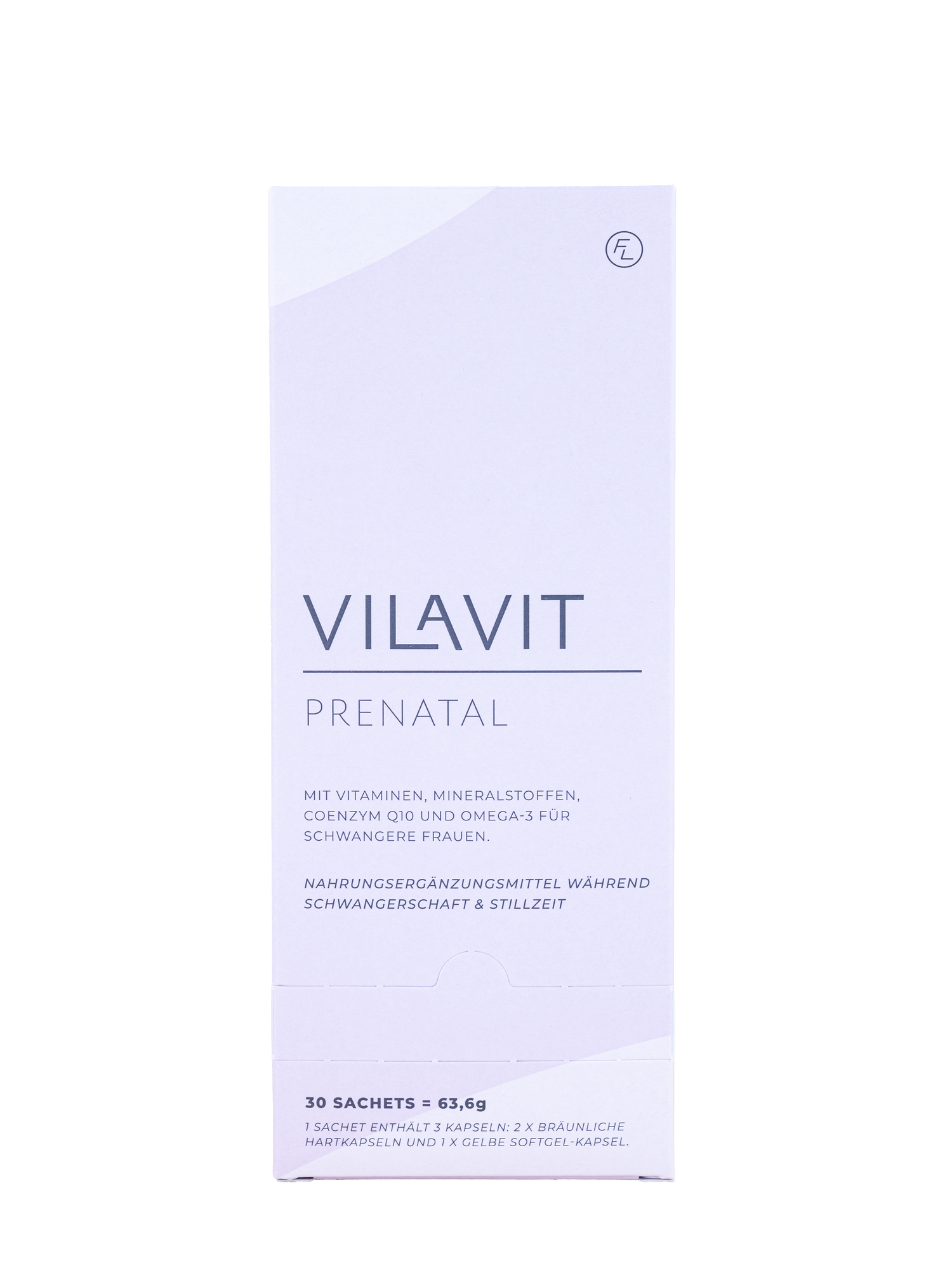
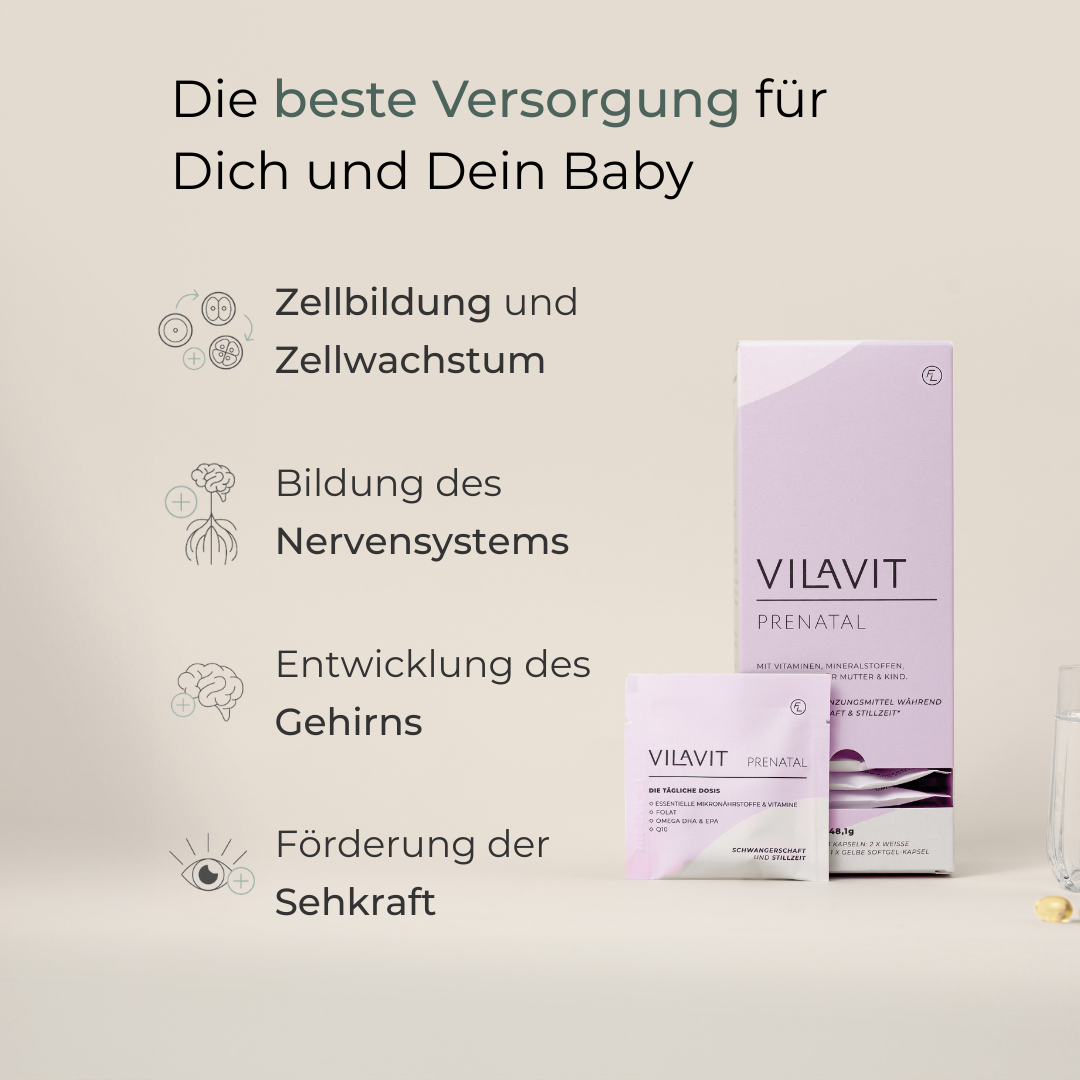
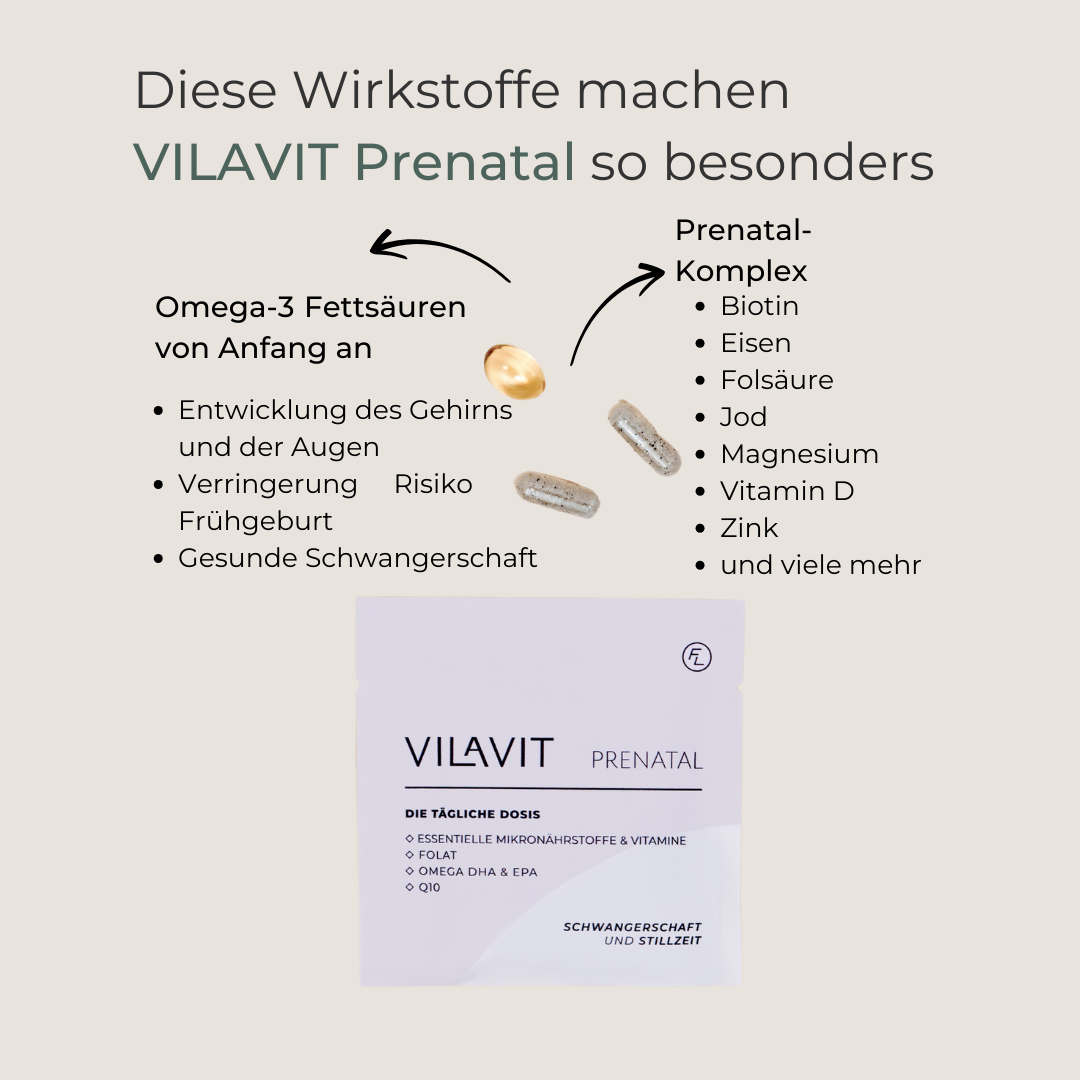
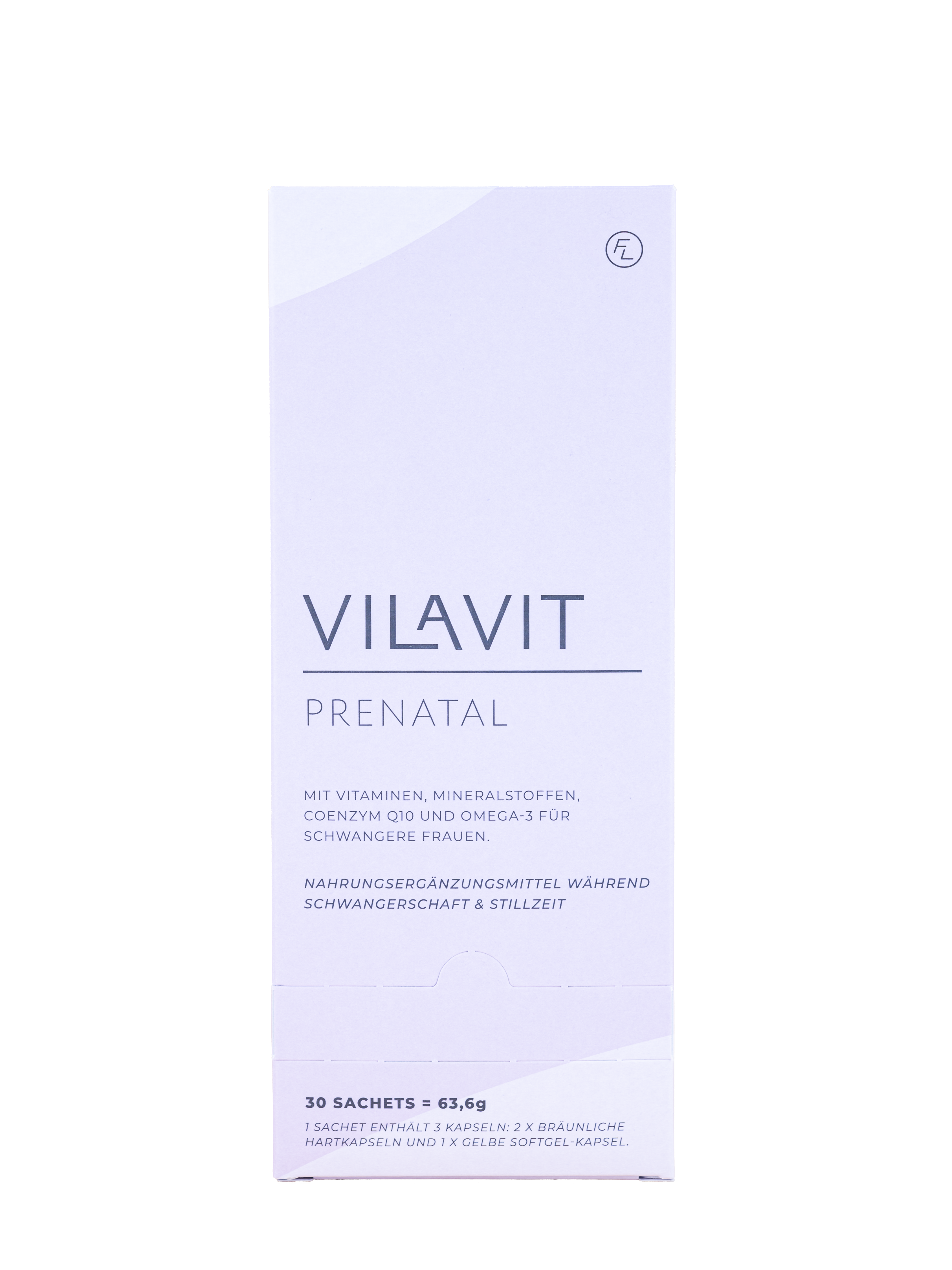
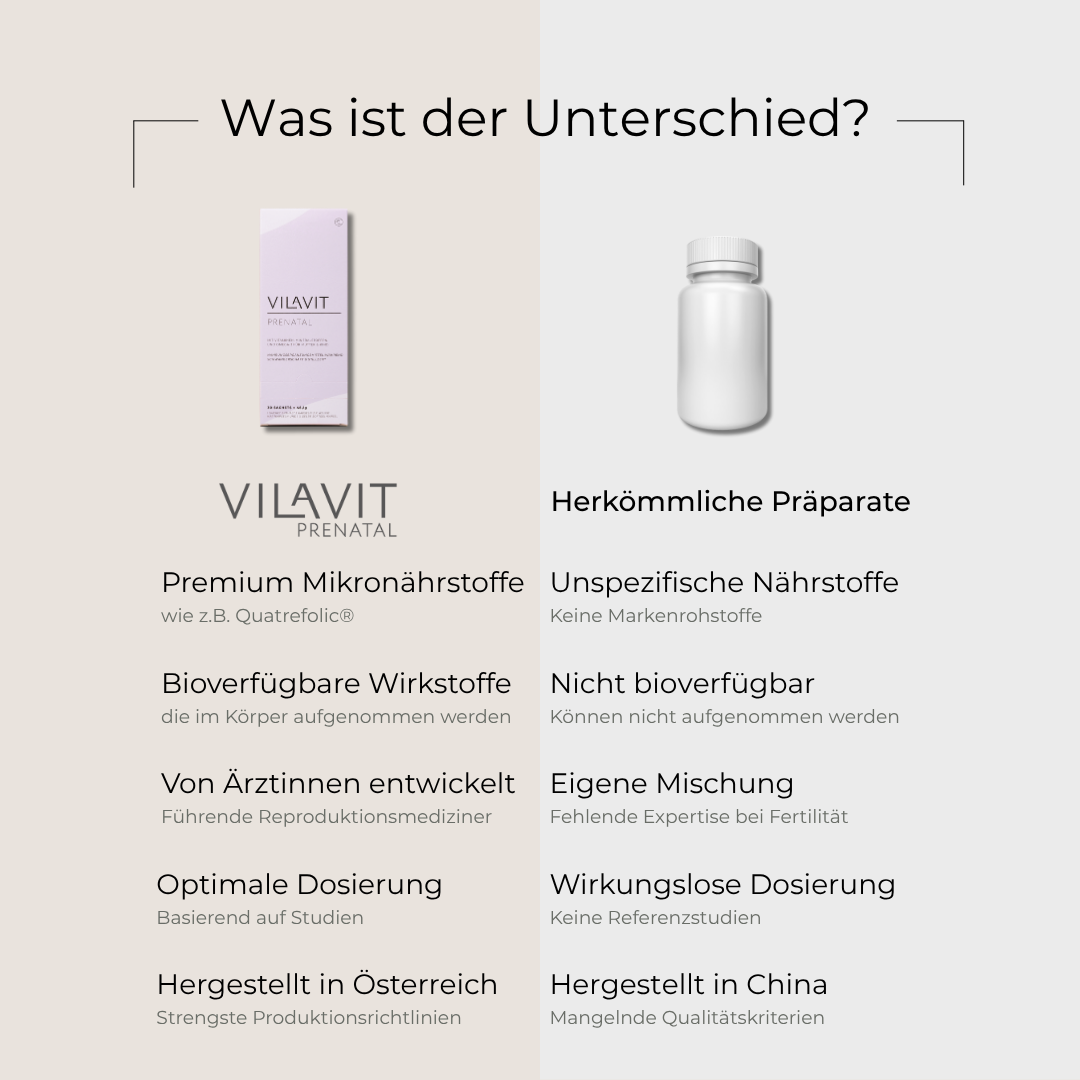
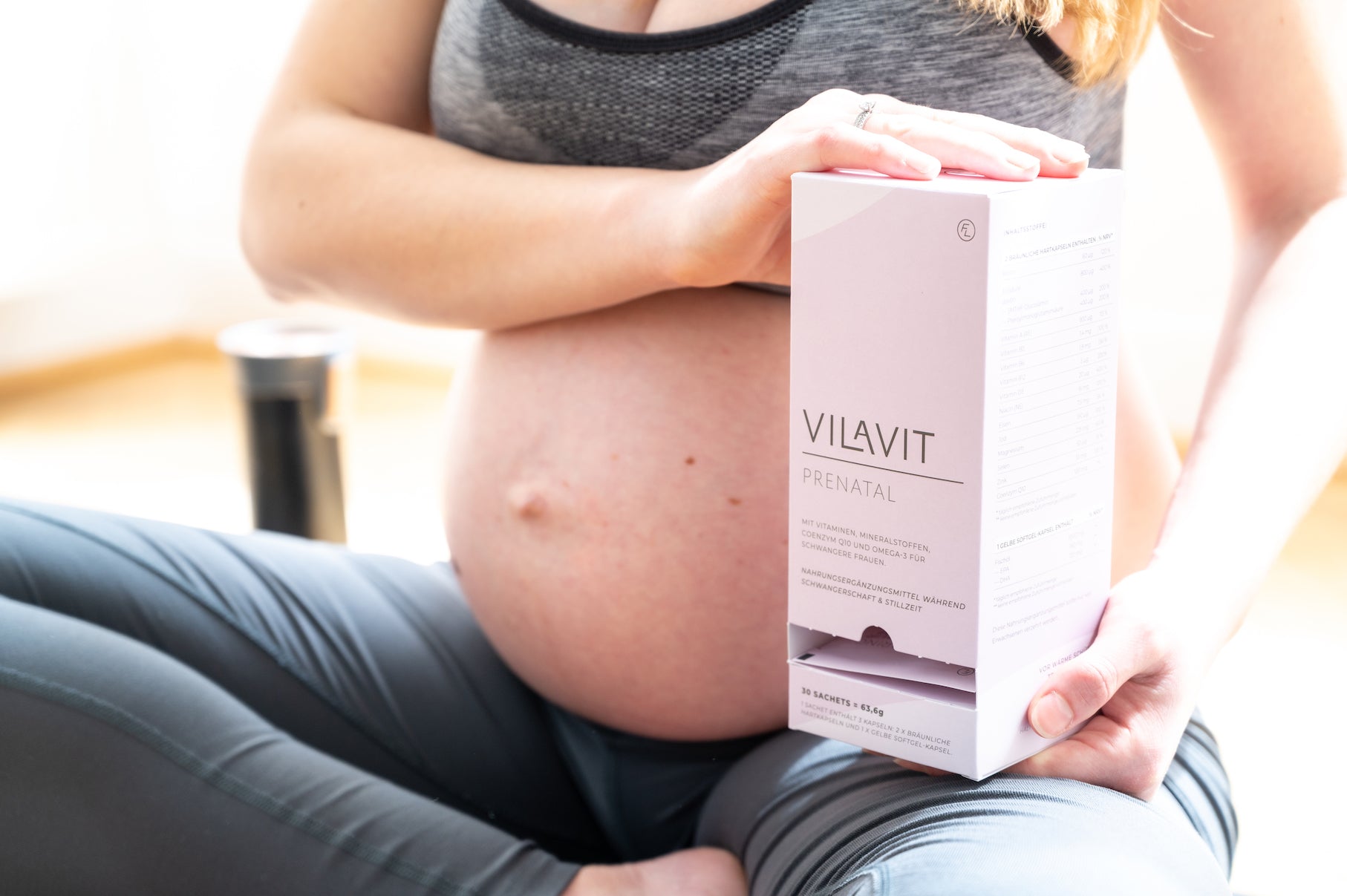
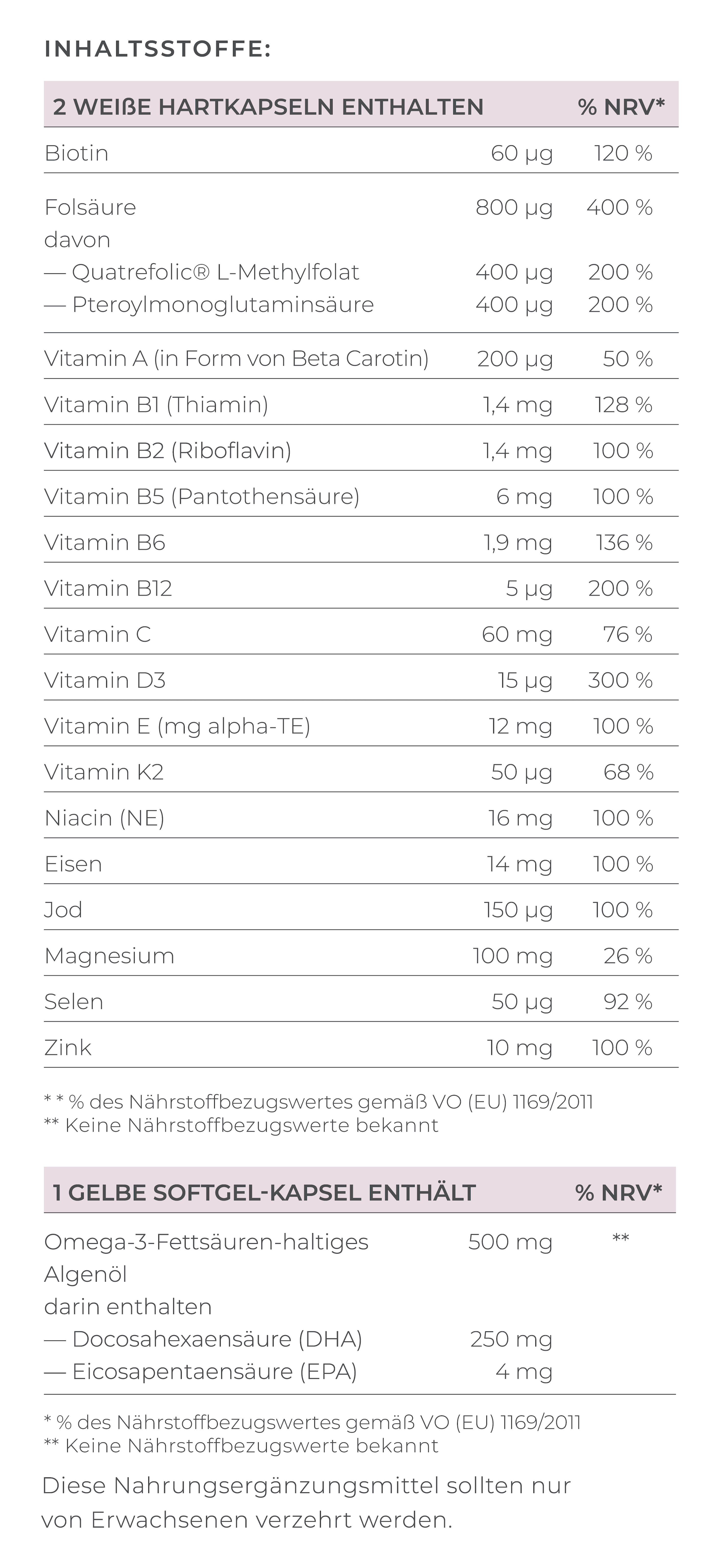
When it comes to fat intake, you should also pay special attention to the fact that babies in their first 18 months of life (and during the second half of pregnancy) need a particularly high amount of docosahexaenoic acid (DHA) for healthy growth. In addition, DHA can have a positive effect on postnatal depression, also known as postpartum depression. DHA is a type of high-quality omega-3 fatty acid and can be obtained primarily from fatty cold-water fish such as salmon and herring, as well as microalgae. Of course, this requires consuming these foods regularly in sufficient quantities. If you are unable to do so for various reasons, supplementation with dietary supplements may be advisable to prevent a deficiency. A daily intake of 200 to 450 mg of DHA is recommended for breastfeeding women (Perichart-Perera O., 2025). Be sure to choose high-quality, well-tolerated sources that your body can effectively utilize. For example, VILAVIT Prenatal contains high-quality algae oil with DHA, which is rarely unpleasant to take (unlike many fish oil supplements) and has high bioavailability.
Nutrient Check: What should you pay special attention to?
For breastfeeding mothers, different recommendations apply not only to calorie and protein intake but also to very specific micronutrients: This is due not only to milk production but also to the needs of your newborn and your own body.
Some nutrients should be consumed in concentrations nearly twice as high during breastfeeding as is normally the case. These include, in particular, vitamin A, vitamin B12, vitamin C, and iodine (Perichart-Perera O., 2025). If a deficiency in any of these nutrients is already known, supplementation is highly likely to be urgently recommended and should not be neglected. However, even if your levels are low but you do not have a deficiency, supplementation is likely necessary, and even for women who generally have acceptable blood test results, supplementation may be required due to the greatly increased need. Unfortunately, very few people are able to consume such extremely high amounts of nutrients through diet alone.
Breastfeeding women in particular often consume too little vitamin A, vitamin B12, and iodine—precisely because their intake needs to nearly double in these cases (Carretero-Krug, A., et al., 2024).
While vitamin E and B6, as well as folic acid, selenium, and zinc, are not generally recommended at double the usual concentration, their intake is still advised to be significantly increased for breastfeeding mothers. For women who follow a dairy-free diet, an increased calcium intake is also particularly important (Perichart-Perera O., 2025).
Unfortunately, a deficiency in folic acid and calcium is frequently observed in breastfeeding women. A deficiency in iron and omega-3 fatty acids is also, unfortunately, not uncommon (Carretero-Krug, A., et al., 2024).
Vitamin D During Breastfeeding for Your Baby and You
Many women already take vitamin D supplements, but intake may need to be increased further, especially during breastfeeding. This is partly because the mother’s own need for vitamin D increases (Perichart-Perera O., 2025) and partly because the baby also needs a lot of vitamin D and rarely gets enough (Durá-Travé, T., et al., 2023). Newborns often spend a lot of time indoors, and when they are outside, they are well protected from the sun by long clothing, umbrellas, and sunscreen. While this is important for a baby’s sensitive skin, it naturally also means that these little ones can produce very little “sunshine vitamin.” For this reason, giving your baby an additional dose of vitamin D may be advisable (Durá-Travé, T., et al., 2023). However, this should never be done without consulting a doctor and seeking medical advice! Otherwise, the potential risks of an overdose are simply far too high!
Plant-Based Diets and Breastfeeding Without Nutrient Deficiencies
Women who follow a plant-based diet, in particular, need to pay special attention to a few key points to avoid potential negative consequences: For example, there is an increased risk of vitamin A deficiency. This vitamin is especially important for vision and its development, as well as for the newborn’s immune system. You should also ensure your baby gets enough vitamin D for healthy bones. The well-known vitamin B12, in particular, is often insufficient in a strictly plant-based diet, yet it is crucial for the development of a breastfed baby. Additionally, you should pay special attention to zinc, iodine, selenium, omega-3, creatine (Herrero Jiménez, M. P., et al., 2025), and iron (Perichart-Perera O., 2025).
Is supplementation a good idea for me?
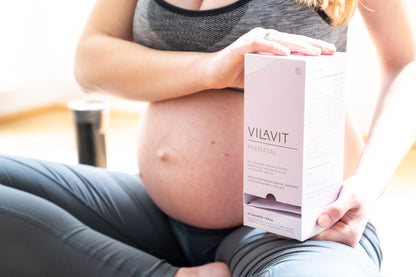
Taking supplements can lead to higher concentrations of nutrients in breast milk (Carretero-Krug, A., et al., 2024). Furthermore, examples such as folic acid, vitamin B12, vitamins A and D, as well as calcium, iron, iodine, and omega-3 fatty acids, unfortunately clearly show that the very nutrients breastfeeding moms need in high concentrations are usually the ones they consume in insufficient amounts. For this reason, taking high-quality supplements containing the selected ingredients mentioned above—such as VILAVIT Prenatal—can also be beneficial while you’re breastfeeding. However, especially if you follow a vegan diet, you may need to take additional supplements, such as vitamin B12. Overall, though, it’s incredibly important to maintain a healthy, adequate, and varied diet, as dietary supplements can never and should never replace it.
Frequently Asked Questions on the Topic
How much more do I need to eat while breastfeeding?
In the EU, an additional intake of about 500 kcal per day is recommended. This is roughly equivalent to a nutritious snack to provide the energy needed for milk production.
Which micronutrients are particularly critical during breastfeeding?
Vitamin A, B12, C, and iodine are of particular concern, as the requirement for these is nearly twice as high as normal. Folic acid, iron, zinc, selenium, and the omega-3 fatty acid DHA also play a central role in the mother’s recovery and the infant’s healthy development. Since these amounts are often difficult to obtain through a normal diet, intake should be regularly monitored (if necessary, through supplementation).
Do I need to give my baby extra vitamin D?
Yes, since babies need to be protected from direct sunlight and breast milk often doesn’t contain enough vitamin D, supplementation is usually recommended for the baby. However, this should always be discussed with your pediatrician.
Is a vegan diet sufficient while breastfeeding?
A strictly plant-based diet requires special attention. In particular, vitamin B12, iron, iodine, and zinc must be closely monitored and usually supplemented to avoid jeopardizing the child’s development.
References
- Lipsky, L., Cummings, J., Siega-Riz, A. M., & Nansel, T. (2023). Relationships of pregnancy and postpartum diet quality with offspring birth weight and weight status through 12 months. Obesity (Silver Spring, Md.), 31(12), 3008–3015. https://doi.org/10.1002/oby.23891
- Perichart-Perera O. (2025). Nutrition for Optimal Lactation. Annals of nutrition & metabolism, 81(Suppl. 3), 33–44. https://doi.org/10.1159/000541757
- Carretero-Krug, A., Montero-Bravo, A., Morais-Moreno, C., Puga, A. M., Samaniego-Vaesken, M. L., Partearroyo, T., & Varela-Moreiras, G. (2024). Nutritional Status of Breastfeeding Mothers and Impact of Diet and Dietary Supplementation: A Narrative Review. Nutrients, 16(2), 301. https://doi.org/10.3390/nu16020301
- Durá-Travé, T., & Gallinas-Victoriano, F. (2023). Pregnancy, Breastfeeding, and Vitamin D. International journal of molecular sciences, 24(15), 11881. https://doi.org/10.3390/ijms241511881
- Herrero Jiménez, M. P., Del Pozo de la Calle, S., Cuadrado Vives, C., & Escobar Sáez, D. (2025). Nutritional supplementation in pregnant, lactating women and young children following a plant-based diet: A narrative review of the evidence. Nutrition (Burbank, Los Angeles County, Calif.), 136, 112778. https://doi.org/10.1016/j.nut.2025.112778