


- The immune system plays a central role in fertility and can make the journey to conceiving more challenging.
- Among other things, hormonal imbalances, illnesses, infections, and inflammation significantly impact fertility.
- Depending on the underlying cause, various treatments are available, which are ideally supplemented by lifestyle optimizations.
Scientific evidence increasingly suggests that the immune system can have a major influence on your fertility and your journey toward having a baby. Many different causes that might seem completely unrelated to fertility at first glance could be the reason your dream baby is taking longer to arrive.
Hormonal Causes
While the balance of estrogen and progesterone is essential for the female menstrual cycle, these hormones also influence the immune system. More specifically, they particularly impact T-cells and T-helper cells, which are vital for defending against pathogens. If T-cells and T-helper cells fall out of balance due to a progesterone deficiency, the risk of implantation failure or miscarriage increases. Blood tests can determine whether hormone levels are within normal ranges (Kicińska, A. M., et al., 2025).
Autoimmune Diseases
Naturally, autoimmune diseases have a significant impact on the immune system of those affected and unfortunately influence fertility as a result. For individuals with autoimmune conditions, autoantibodies are a major obstacle on the path to having a baby. They can disrupt the development of the fertilized egg or later the embryo, lead to implantation problems, or cause recurrent miscarriages. Autoantibodies can also be detected via blood tests. However, many people receive an autoimmune disease diagnosis long before starting their fertility journey (Kicińska, A. M., et al., 2025).
Autoimmune thyroid conditions—such as Hashimoto's thyroiditis or Graves' disease—and systemic lupus erythematosus have a particularly negative effect on fertility and are, unfortunately, relatively common among younger individuals (Pires, M. I., et al., 2025 and Mao, R., et al., 2026).
Endometriosis and PMOS
Both endometriosis and PMOS (formerly known as PCOS) are common causes of prolonged fertility journeys. One of the many mechanisms through which these two conditions cause difficulties is, unfortunately, an immunological one. Specifically, chronic inflammation, progesterone resistance, or autoantibodies pose problems for fertility in cases of endometriosis or PMOS (Kicińska, A. M., et al., 2025). In PMOS specifically, the immune system's natural killer cells can also be dysregulated (Jiang, N., et al., 2026). Diagnosis is typically performed via laparoscopy (primarily for endometriosis) or a blood test (mainly for PMOS) (Kicińska, A. M., et al., 2025).
Inflammation and Infections
Inflammations and infections of any kind can also adversely affect fertility and should be treated promptly whenever possible. During an inflammation or infection, the immune system is in a state of emergency, and the microbial balance can be lost. Depending on the suspected diagnosis, various testing options can be considered. Beyond implantation, the quality of both the oocyte (egg cell) and sperm can also be impaired (Kicińska, A. M., et al., 2025).
Additional Causes
There are many other factors that can negatively impact fertility through immunological mechanisms. These include a low lymphocyte count, disrupted ratios of T-helper cells to T-cells, issues with natural killer cells, or the KIR/HLA-C antigen. Additionally, the body may exhibit an abnormal response to embryo cells, an altered immune cell population in the endometrial lining may be present, anti-sperm antibodies may be active, or oxidative stress, obesity, insulin resistance, or a disrupted gut microbiome could lie behind difficulties in conceiving (Kicińska, A. M., et al., 2025).
Treatment Options
Depending on the (suspected) cause of the fertility issues, various treatment and diagnostic options are available. Thanks to medical advances, these have been updated and refined: for example, while an endometrial biopsy was previously required to analyze the uterine microbiome, recent findings indicate that this can also be assessed through a simple blood test (Baharaghdam, S., et al., 2026). However, replacing biopsies with blood tests is not yet standard practice everywhere.
Newer approaches like PRP (Platelet-Rich Plasma) therapy can also help improve fertility in the presence of certain immunological factors (Shi, C., et al., 2026).
If issues occur during fertilization itself—as is often the case with autoimmune thyroid diseases—ICSI (Intracytoplasmic Sperm Injection) can be more beneficial than traditional IVF or natural conception (Pires, M. I., et al., 2025).
For many patients, immunomodulatory therapy or hormone replacement therapy brings relief. Both can also be used independently of a desire to conceive. Infections and inflammations that are curable should be resolved as quickly as possible. Stem cell therapy may also be appropriate in certain cases. Furthermore, many patients benefit significantly from a multidisciplinary treatment approach (Šemeklienė, B et al., 2025).
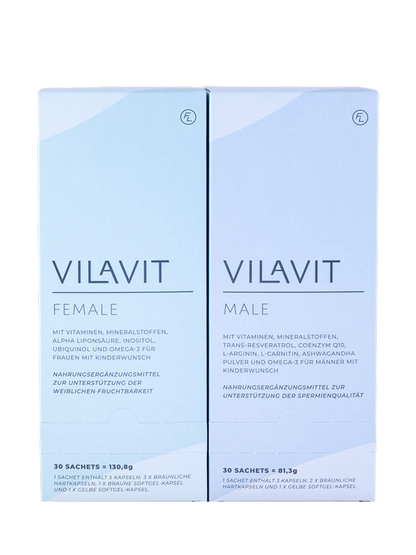
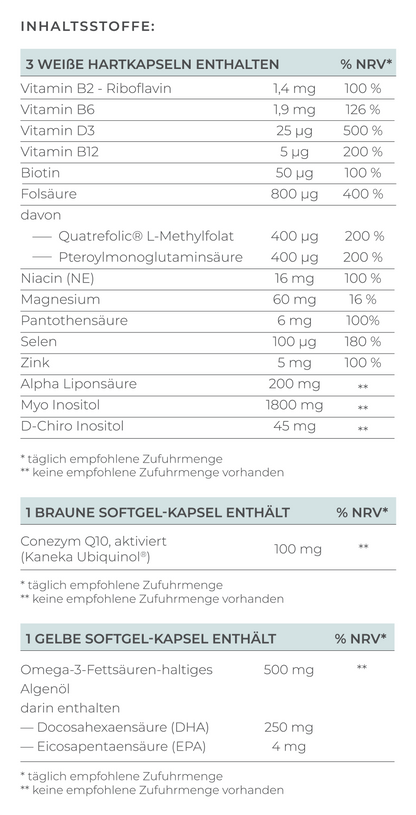
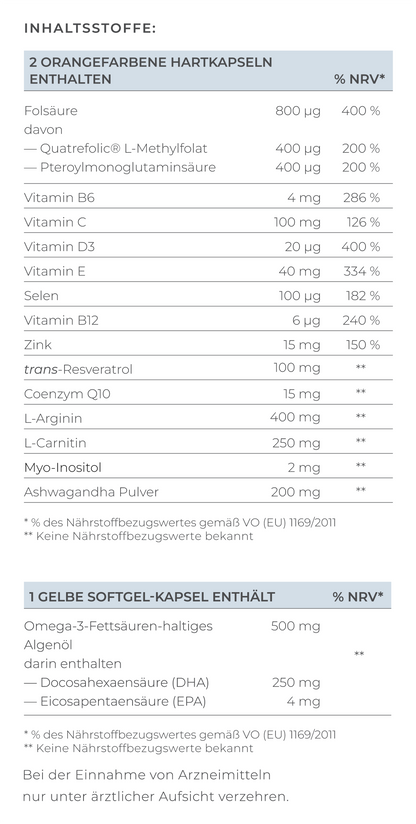
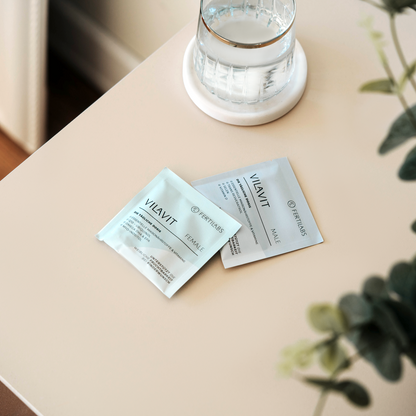
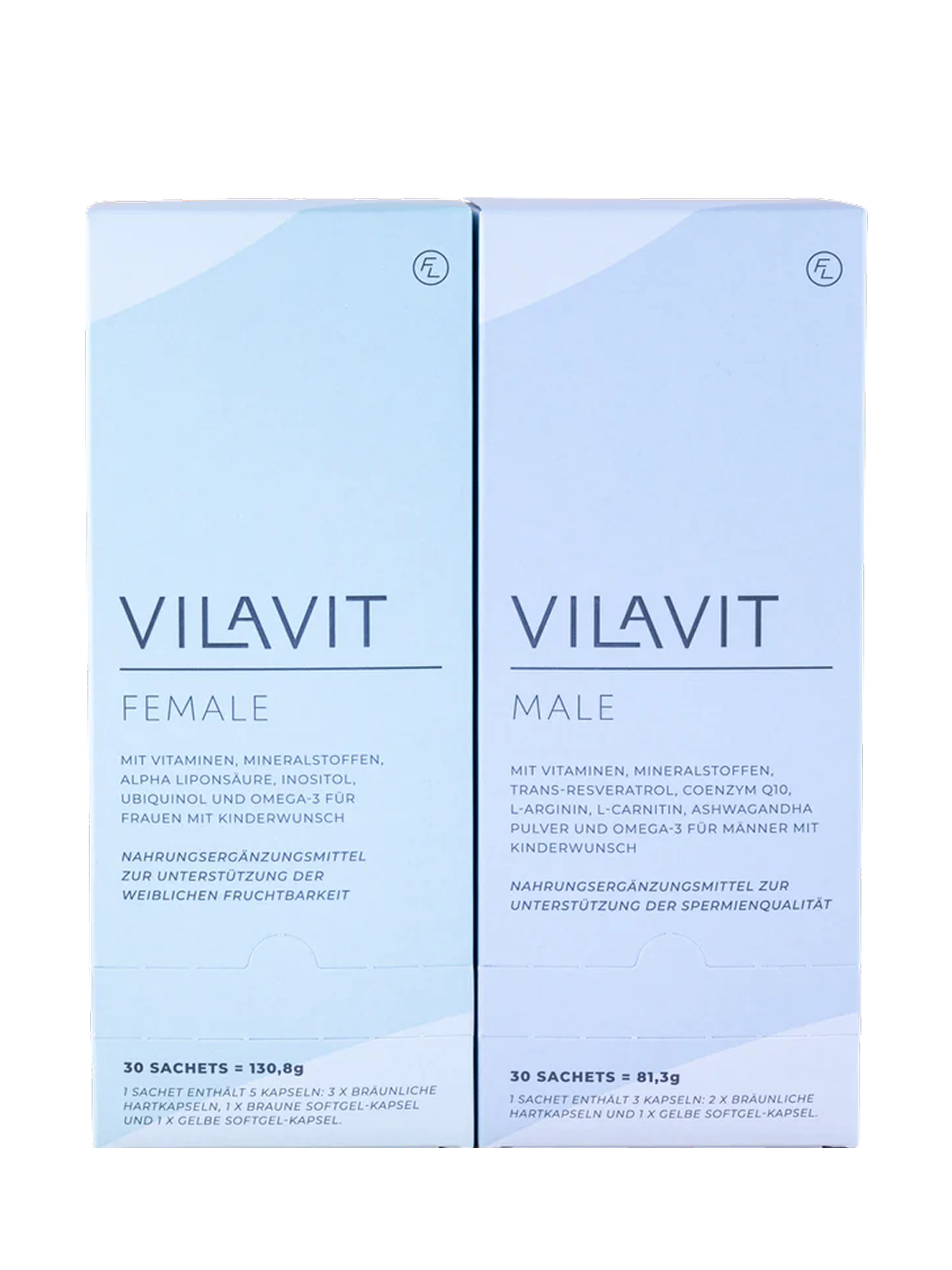
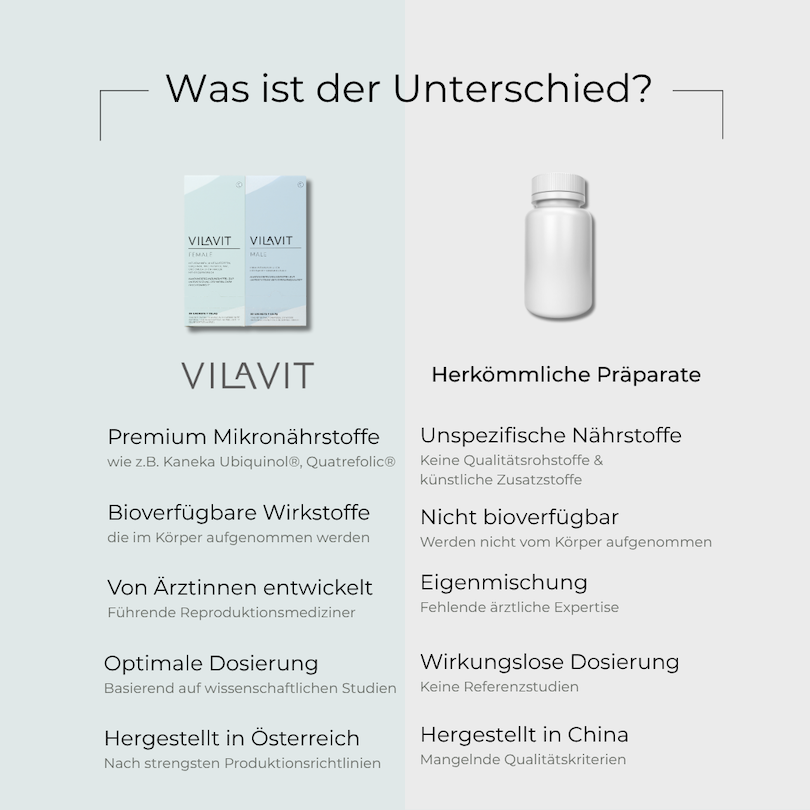
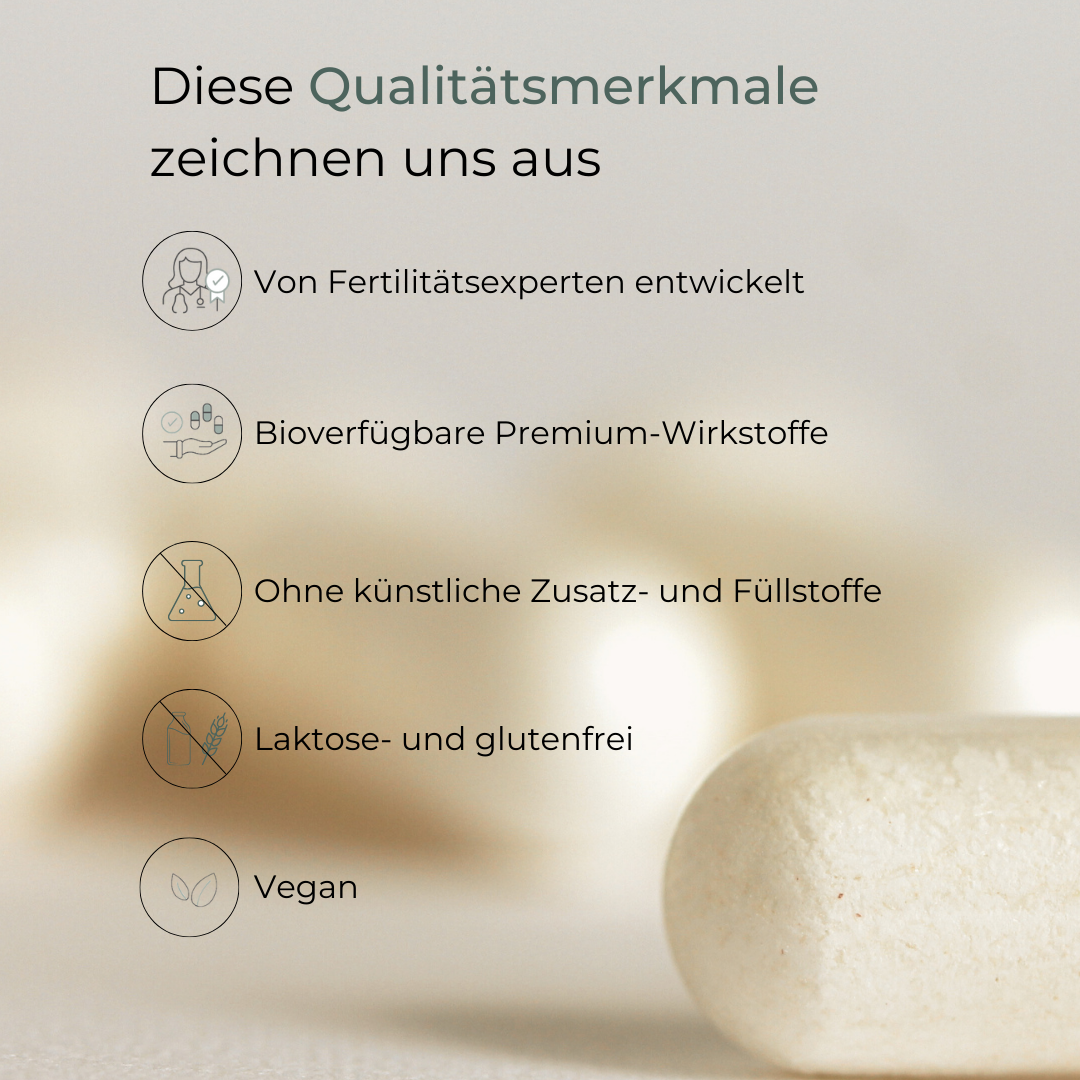
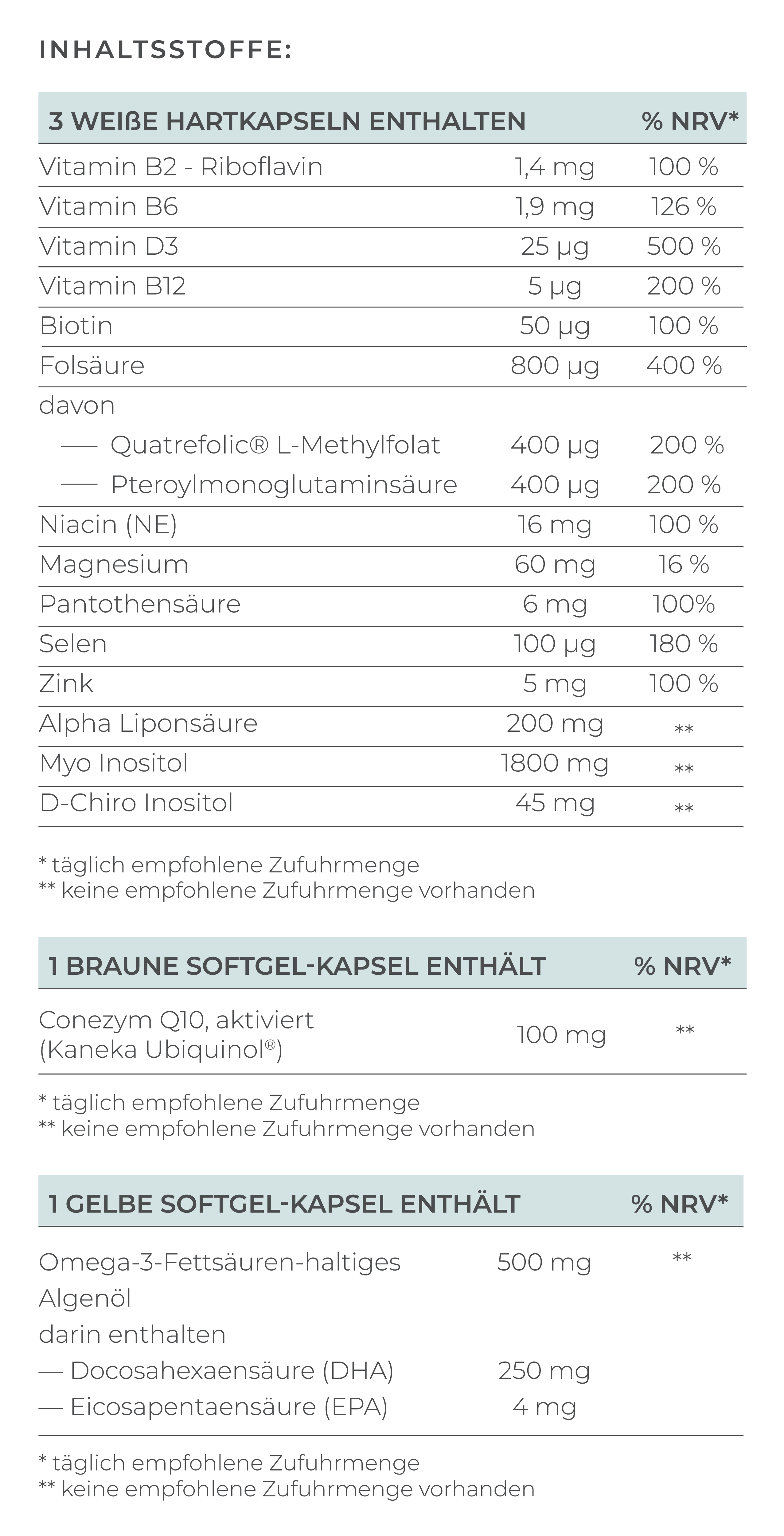
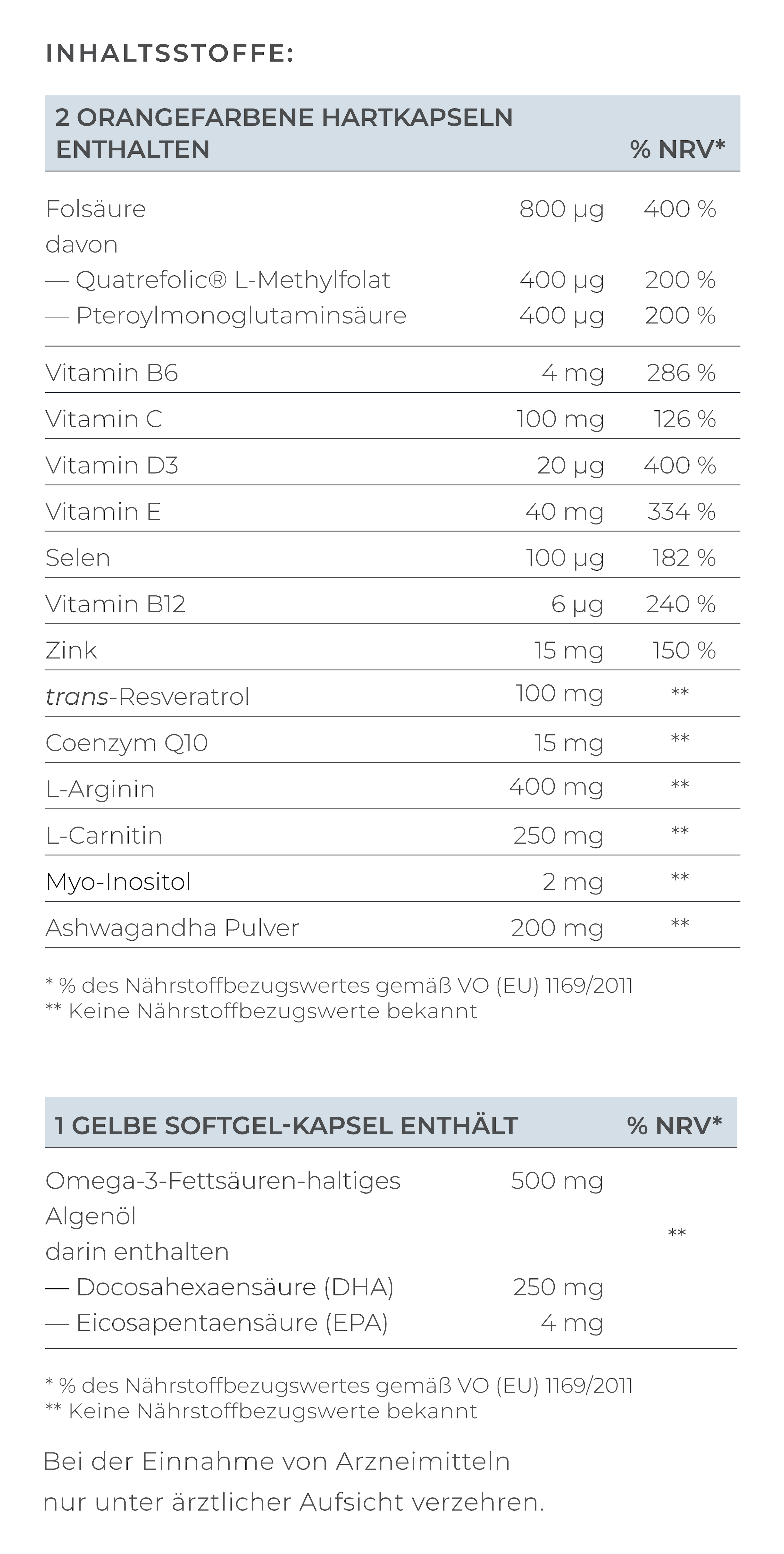
For chronic conditions such as autoimmune diseases, special attention should also be paid to lifestyle. Beyond stress reduction and a healthy, balanced diet, ensuring an adequate intake of Vitamin D, Vitamin B12, and folate is particularly important (Šemeklienė, B et al., 2025). In addition to the nutrients just mentioned, you'll also find many other beneficial ingredients in VILAVIT Female, which is specifically formulated to improve your fertility.
Frequently Asked Questions
How can hormones affect the immune system and fertility?
Estrogen and progesterone regulate the balance of T-cells and T-helper cells in the immune system. If a progesterone deficiency disrupts the balance of these cells, the risk of implantation failure or miscarriage increases.
What role do autoimmune diseases play in unfulfilled desires to conceive?
In autoimmune diseases (e.g., Hashimoto's thyroiditis, Graves' disease, or lupus), the body produces autoantibodies. These can disrupt the development of eggs and embryos, impede implantation, or lead to recurrent miscarriages.
How do endometriosis and PMOS affect the body immunologically?
Both conditions frequently cause chronic inflammation, progesterone resistance, or the presence of autoantibodies. In PMOS, dysregulation of natural killer (NK) cells is also common.
What impact do general inflammations and infections have?
Acute or chronic infections put the immune system into a state of emergency and disrupt microbial balance. This can impair egg and sperm quality as well as embryo implantation.
What treatment options are available for immunologically related fertility issues?
Depending on the diagnosis, immunomodulatory therapies, hormone replacement therapy, PRP (Platelet-Rich Plasma) treatments, or assisted reproduction techniques such as ICSI are utilized. Prompt treatment of infections and multidisciplinary care are also advisable.
What lifestyle changes can one make personally?
Especially with chronic or autoimmune conditions, stress reduction, a balanced diet, and targeted supplementation of key nutrients—such as Vitamin D, Vitamin B12, and folate—support fertility.
References
- Kicińska, A. M., Maksym, R. B., & Szewczyk, G. (2025). Immunological Causes of Infertility: Diagnostic Perspectives. Biomolecules, 16(1), 39. https://doi.org/10.3390/biom16010039
- Pires, M. I., Póvoa, A. M., & Silva-Soares, S. (2025). Autoimmune thyroid disease in infertility and assisted reproductive technology: A review. Porto biomedical journal, 10(6), e307. https://doi.org/10.1097/j.pbj.0000000000000307
- Mao, R., Zhou, J., Wang, X., Long, R., Wang, M., Chen, H., Xiao, N., Xi, Q., Jin, L., & Zhu, L. (2026). Inflammation impairs fertility and oocyte quality in systemic lupus erythematosus by triggering oxidative stress-mediated ferroptosis. Cell death & disease, 10.1038/s41419-026-09028-x. Advance online publication. https://doi.org/10.1038/s41419-026-09028-x
- Jiang, N., Liu, J., Li, C., Wang, X., Pang, Y., Zhang, X., Ma, Y., Zhang, S., Xu, Y., Li, Q., Sun, Q., Tang, P., & Han, L. (2026). Natural killer cell dysregulation in polycystic ovary syndrome: immunometabolic and reproductive implication. Frontiers in immunology, 17, 1781451. https://doi.org/10.3389/fimmu.2026.1781451
- Baharaghdam, S., Yildirim, Ö., Pirouzpanah, M., Abbas Kabiri, D., Karimi, S., Esfini Farahani, M., Aghapour, A., Hassanzadeh, A., Kamrani, A., Mousavi Ardehaie, R., Mehdizadeh, A., Hakimi, P., Ahmadian Heris, J., Aghebati-Maleki, L., & Yousefi, M. (2026). Classification of recurrent implantation failure patients using peripheral blood immunological and metabolic markers. BioImpacts : BI, 16, 33372. https://doi.org/10.34172/bi.33372
- Shi, C., Zhao, Y., Liu, W., Gong, R., Duan, Y., & Yu, W. (2026). Endometrial dysfunction in embryo implantation: from molecular mechanisms to clinical management. Frontiers in reproductive health, 8, 1865059. https://doi.org/10.3389/frph.2026.1865059
- Šemeklienė, B., & Gradauskienė, B. (2025). Infertility and Auto-Antibodies: A Review. Antibodies (Basel, Switzerland), 14(3), 76. https://doi.org/10.3390/antib14030076