


- For ethical reasons, no studies are conducted on pregnant women or women trying to conceive, which is why there is very little data available
- Nevertheless, some case studies are known and documented
- It is presumed that locally injected Botox does not enter the bloodstream and therefore does not reach the uterus
- Injections can always lead to complications such as inflammation, which may temporarily complicate your efforts to conceive
Botox treatments to reduce or prevent wrinkles, or for medically indicated reasons such as migraines, are becoming increasingly common. So, it’s no wonder that they’ve also made their way into the fertility community. Unfortunately, however, expectant mothers often lack scientifically based information on this topic, as it’s very hard to find. To make your life and the decision about a potential treatment a little easier, we’ve compiled everything you need to know here in a concise and easy-to-understand format.
What is Botox?
That’s a very interesting question, because Botox is actually a powerful neurotoxin produced by bacteria. By the way, Botox is an abbreviation for its full name, botulinum toxin. This active ingredient blocks the transmission of signals between nerve cells and muscles. So, what can be fatal in high doses is used in medicine for targeted muscle relaxation: This includes, among other things, the treatment of chronic migraines, extreme muscle spasms, or teeth grinding. However, Botox is also increasingly used in plastic surgery and for smoothing facial wrinkles. The effects of Botox usually begin a few days after the injection and last for several months.
Since Botox can lead to serious side effects if used incorrectly, treatment should always be performed by medical specialists.
Why There Is So Little Research on Botox
As of now, there are very few studies or investigations into the use of Botox injections during fertility treatment or pregnancy. This is simply because substances are not typically administered to people for testing purposes during this vulnerable and critical time in their lives. Because as long as a substance is not considered “safe” for pregnant women or safe to use shortly before pregnancy, there is unfortunately always the risk that a certain treatment could pose a danger. Since, of course, no pregnant woman or woman trying to conceive should be exposed to this risk, in many cases the only available data comes from women who were completely unaware of their pregnancy at the time of treatment and were thus treated unknowingly while pregnant.
Does Botox stay only where it is injected?
Experts currently do not believe that Botox enters the bloodstream when used correctly. Since the substance is usually injected into the face, neck, or upper body (especially for migraines), Botox should never come into contact with the uterus. As a result, the substance lacks both a local effect near the reproductive organs (or the baby in the case of pregnancy) and a systemic effect, since it should not enter the bloodstream. However, it should be noted that these are merely assumptions made by scientists, and no human studies on this topic are available (Tan, M., et al., 2013).
Confirmed Cases and Recommendations
Most substances and treatments that are safe during pregnancy are also safe when trying to conceive. Unfortunately, as always, there are no guarantees—these are merely assumptions as well. In some cases, women have indeed received Botox during pregnancy. Regardless of the indication (i.e., whether for medical or aesthetic reasons), very few cases are currently known:
Of 30 known cases documented in a study where women were treated with Botox during pregnancy, 27 women were able to hold a healthy baby in their arms. One pregnancy was terminated for medical reasons, and two pregnancies unfortunately ended in miscarriage. The women who suffered a miscarriage had previously experienced miscarriages (Tan, M., et al., 2013).
A few years ago, data were compiled from as many cases as possible involving unintentional Botox injections during pregnancy. It was found that over 77% of the pregnant women gave birth to a live baby. About 32 of the 195 documented pregnancies ended in miscarriage, and some pregnancies were intentionally terminated. Of the 152 live-born babies, four were unfortunately not healthy. This corresponds to a rate of 2.6% and is thus barely distinguishable from the rate in the general population (Brin, M.F., et al., 2023).
Even though these case studies are well-known and may sound reassuring at first, manufacturers advise against using Botox during pregnancy, and most doctors also consistently recommend avoiding the treatment during pregnancy.
When it comes to fertility treatment, opinions are more mixed—and unfortunately, no specific studies on this topic have been published to date: Some experts advise waiting at least six to eight weeks between the last Botox treatment and a potential pregnancy, while other specialists express no concerns. The manufacturers of Botox injections provide no information regarding potential use and its consequences for fertility.
However, many doctors point out that the physical changes during pregnancy and fertility treatments can also alter your appearance and facial contours. Accordingly, some of them recommend postponing cosmetic treatments until after childbirth and having them performed with specific consideration for your new circumstances. In addition, experts point out that complications such as infection or inflammation can occur even with a Botox injection, which may then require treatment with antibiotics, for example. These side effects can then have a negative impact on your fertility—even if this is usually only temporary.
Conclusion
Unfortunately, we cannot say for certain whether Botox treatment will have a negative impact on your journey to conceive. However, the only thing that can be said with certainty is that, unfortunately, a risk cannot be 100% ruled out. So, if you want to be on the safe side, you should, when in doubt, temporarily refrain from Botox treatment to ensure a worry-free journey toward your dream child.
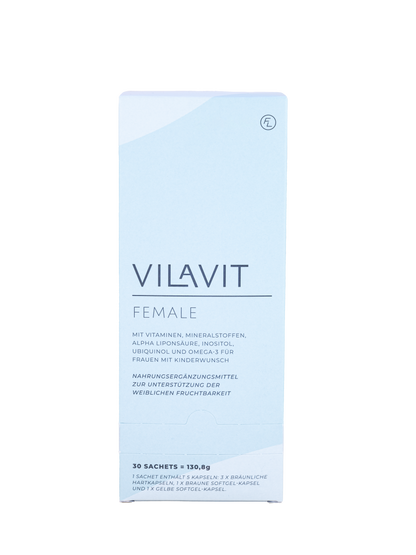
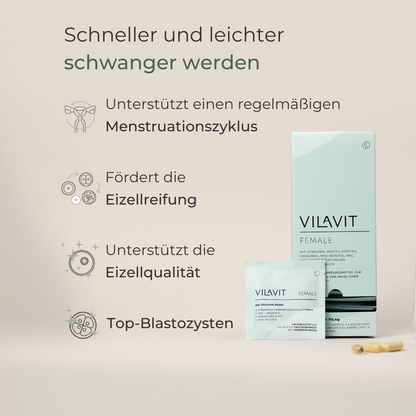
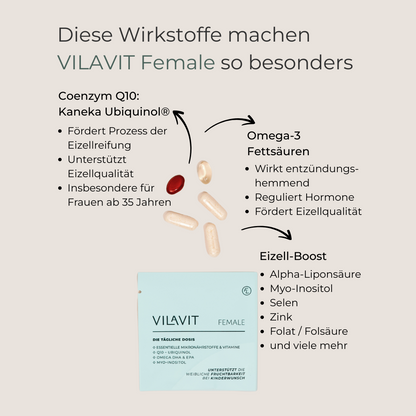
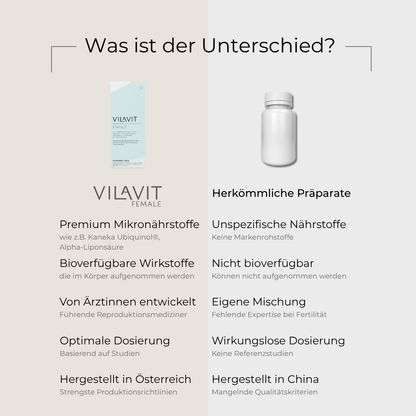
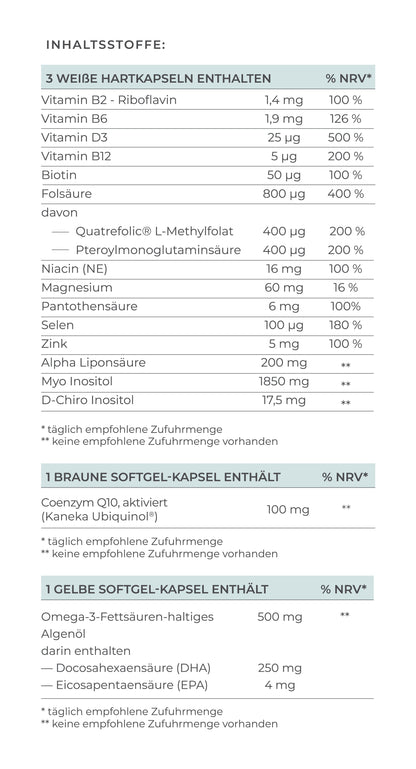
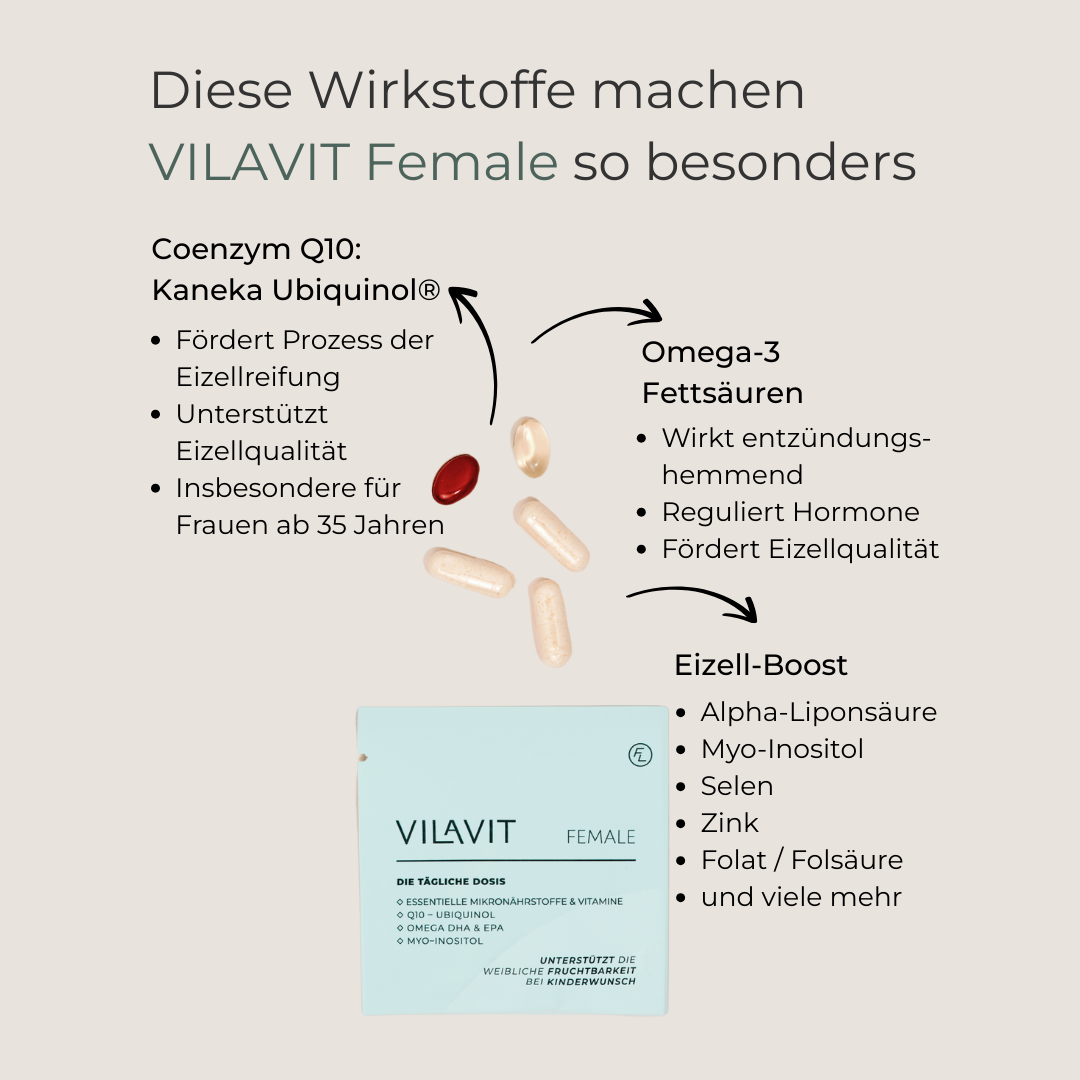
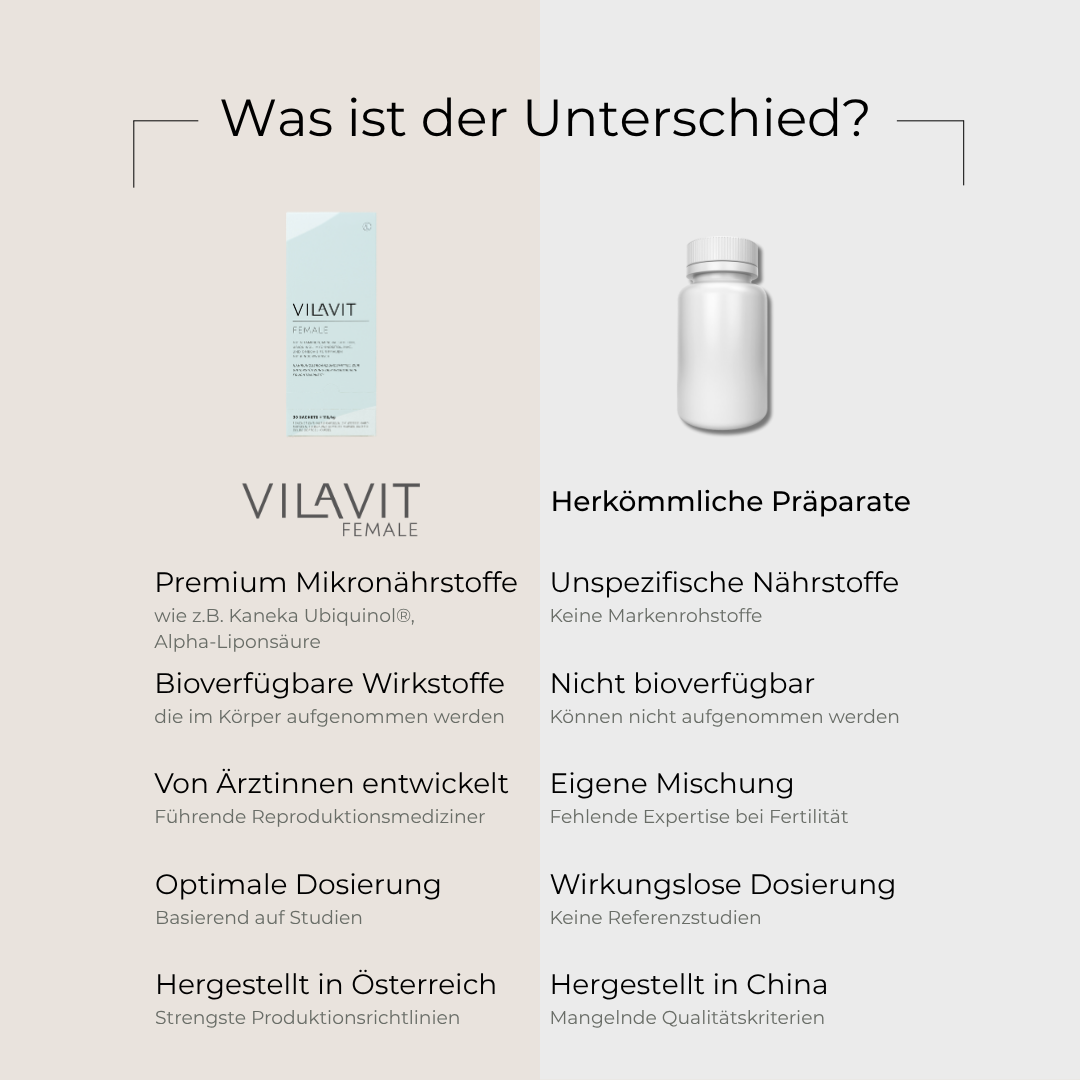
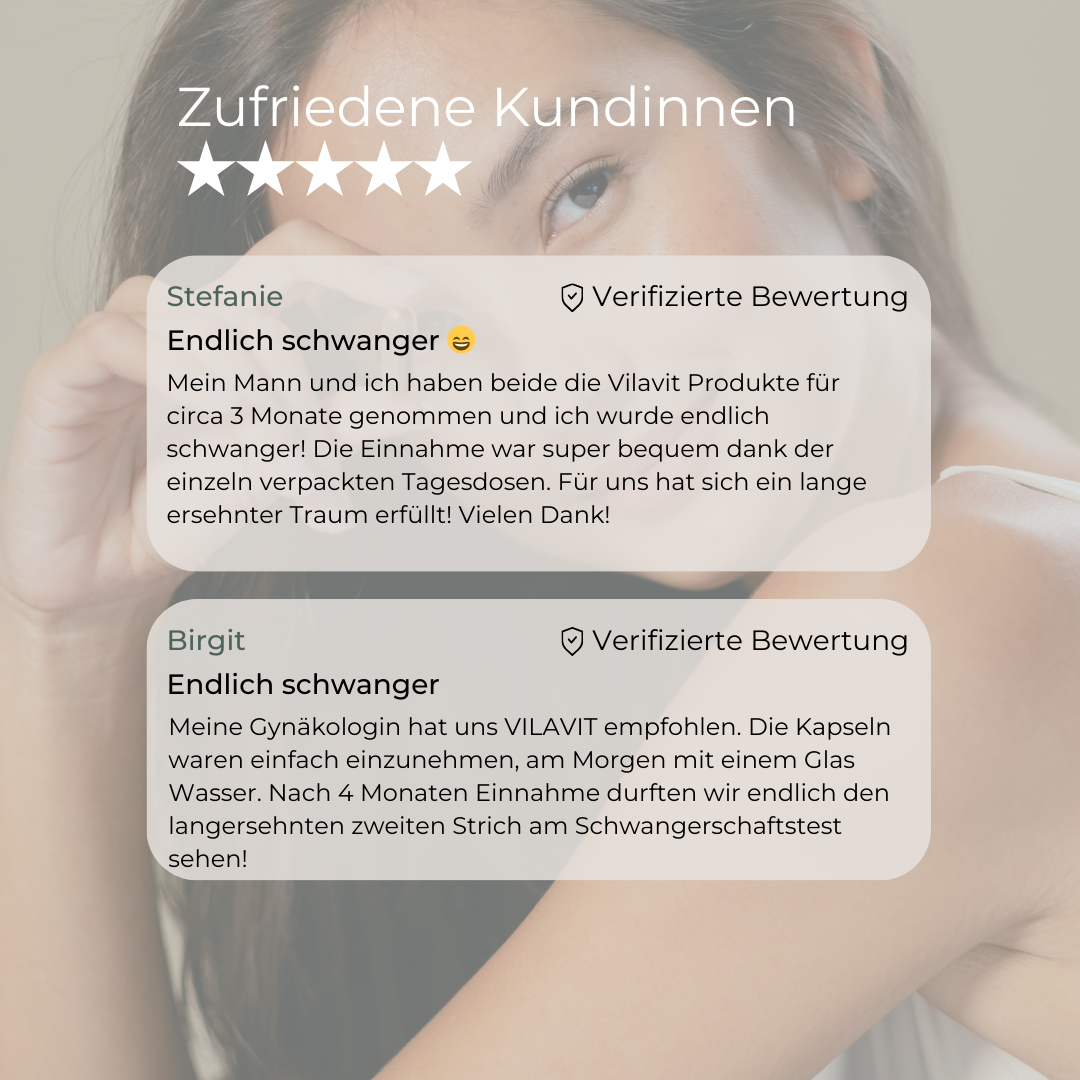
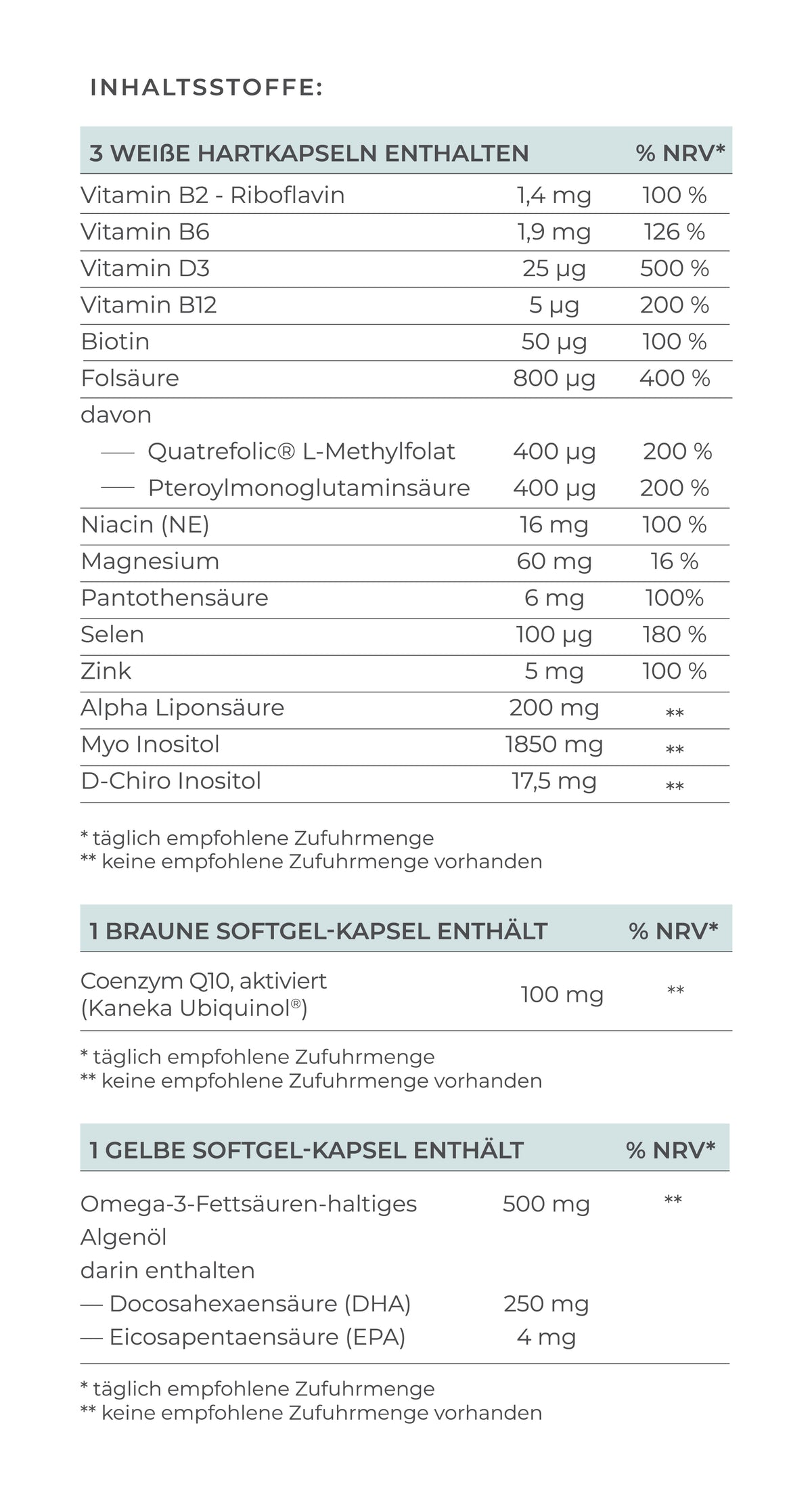
If you’d also like to optimally prepare your body from the inside out for your little miracle, take a look at VILAVIT. It’s specially developed for anyone who wants to actively support their body while trying to conceive and be perfectly prepared for pregnancy.
Frequently Asked Questions
Does Botox harm my eggs or affect my fertility?
There is no data from the manufacturers on this. However, since Botox generally remains localized in the muscle and does not enter the bloodstream, experts do not believe it directly affects egg quality or fertility.
How long should I wait after a Botox treatment before trying to get pregnant?
Since there are no official studies, opinions are divided. Some specialists recommend waiting six to eight weeks after the last injection to be absolutely safe, while others do not consider a waiting period necessary.
What happens if I’ve had Botox and find out shortly afterward that I’m pregnant?
Don’t panic! Data from women who were treated unknowingly during early pregnancy show no statistically increased rate of miscarriages or birth defects compared to the general population. However, inform your gynecologist as soon as you get a positive test result.
Are there risks beyond the active ingredient itself?
Yes. Every injection carries a minimal risk of local infection or inflammation. If these require treatment with medications such as antibiotics, it can temporarily disrupt the course of planned fertility treatment or your natural cycle.
References
- Tan, M., Kim, E., Koren, G., & Bozzo, P. (2013). Botulinum toxin type A in pregnancy. Canadian family physician Medecin de famille canadien, 59(11), 1183–1184.
- Brin, M. F., Kirby, R. S., Slavotinek, A., Adams, A. M., Parker, L., Ukah, A., Radulian, L., Elmore, M. R. P., Yedigarova, L., & Yushmanova, I. (2023). Pregnancy Outcomes in Patients Exposed to OnabotulinumtoxinA Treatment: A Cumulative 29-Year Safety Update. Neurology, 101(2), e103–e113. https://doi.org/10.1212/WNL.0000000000207375