


- Type 1 diabetes (an autoimmune disease), type 2 diabetes (the most common form, lifestyle-related), and gestational diabetes (which occurs only during pregnancy) have different causes, but all require careful monitoring.
- Diabetes during pregnancy increases the risk of miscarriage, preeclampsia, macrosomia, and long-term health problems for the child.
- Continuous glucose monitoring (CGM) or closed-loop systems help keep blood sugar stable and reduce complications.
- A balanced diet with sufficient carbohydrates, protein, as well as folic acid, vitamin D, iodine, and zinc supports blood sugar control and the healthy development of the baby.
While classic gestational diabetes is a familiar term for many people and is regularly addressed during prenatal care, the consequences and possible treatment of type 1 and type 2 diabetes are much less well known. Even though the three types of diabetes have a lot in common, we will address all types here in order to give you the most important information for your pregnancy.
What is diabetes and how do the types differ?
Diabetes mellitus is often abbreviated to diabetes. Patients with diabetes have a disturbed sugar metabolism. Due to this disorder, the sugar level in the blood is too high and often has to be lowered with medication such as insulin.
With around 90% of all diabetes cases, type 2 diabetes is the most common form of diabetes. It is partly genetic but can also be strongly influenced by lifestyle. Type 2 diabetes usually only occurs later in life and was especially in the past also referred to as "adult-onset diabetes." Nowadays, more and more young people are also developing type 2 diabetes because lifestyle habits are changing more and more. In particular, an unhealthy diet or lack of exercise promote type 2 diabetes.
Type 1 diabetes is an autoimmune disease and often occurs in children. Those affected produce too little or no insulin at all, which is why their blood sugar levels can rise extremely. Lifestyle has no influence on the development of type 1 diabetes. However, what exactly causes the disease is unfortunately still not fully understood.
Gestational diabetes is mostly called pregnancy diabetes and is a form of diabetes that occurs during pregnancy. Fortunately, only a few expectant mothers need insulin therapy. In most cases, a change in lifestyle is sufficient for gestational diabetes. Nevertheless, blood sugar levels should be checked regularly. In most cases, these return to normal on their own after birth (Federal Ministry of Social Affairs, Health, Care and Consumer Protection, 2026).
How diabetes affects the health of mom & baby
Although women with diabetes already have to cope with daily challenges, there is unfortunately no relaxation in sight during pregnancy either. In fact, the opposite seems to be true for many expectant mothers with diabetes:
Statistically, women with diabetes have, among other things, an increased risk of miscarriage, anomalies in the baby, preeclampsia (a severe high blood pressure disorder during pregnancy), and macrosomia (an above-average birth weight of the baby). The little miracle itself also carries an increased risk of obesity, high blood pressure, or type 2 diabetes due to the mother's condition (American Diabetes Association Professional Practice Committee, 2025).
Risks especially with type 2 diabetes
Compared with women with gestational diabetes and non-diabetic women, pregnant women with type 2 diabetes have a higher risk of congenital anomalies and unfortunately also an increased risk of stillbirth and higher neonatal mortality (Clement, N. S., et al., 2025).
Risks especially with type 1 diabetes
According to experts, women with type 1 diabetes in particular not only face the risks typical of diabetes but also a greater mental burden during pregnancy. This is likely due to the nature of type 1 diabetes as well as the fact that women with type 1 diabetes must always be treated with insulin. Among other things, scientists therefore recommend using a blood sugar sensor for real-time monitoring or even a closed-loop system that is intended to completely replace the pancreas (Lee, T. T. M., et al., 2022).
"Diabetes tests": When are blood sugar tests useful during pregnancy?
If you were already diagnosed with diabetes before your pregnancy, it is not necessary to carry out a new test. However, it is useful to monitor your blood sugar levels more strictly (if you do not already measure continuously) so that your therapy can be adjusted as best as possible.
Women without diabetes are generally advised during pregnancy to take a blood sugar test in order to detect or rule out gestational diabetes. The exact procedure of the tests differs worldwide, but (almost) always involves drinking a certain amount of glucose (that is, sugar) as a liquid. Afterwards, blood sugar levels are measured at regular intervals. Ideally, the fasting blood sugar level should also be determined. This is of course done before drinking the sugar solution. The test usually takes place between the 24th and 28th week of pregnancy (Mohan, S., et al., 2024). If you feel before (or after) that something is still not right, be sure to consult a doctor.
Measuring blood sugar during pregnancy
During this magical time, different target values apply for blood sugar levels than usual. Where exactly this target value lies depends, among other things, on how well the blood sugar was controlled before pregnancy and also on individual factors such as other illnesses and complaints. For this reason, you should definitely discuss these values with a doctor, ideally already before pregnancy. Then you know from the start and can prepare accordingly (American Diabetes Association Professional Practice Committee, 2025). These notes naturally do not apply to women with gestational diabetes, since gestational diabetes is not known before pregnancy.
Which measurement method suits me?
If your diabetes requires regular monitoring, a blood sugar sensor is the most reliable measurement method. These sensors monitor blood sugar approximately every 5 minutes and sound an alarm if it is not in the green range. This not only reduces the risk of typical diabetes-related problems, but also lowers the likelihood that your baby will be negatively affected by the disease. A clear win-win situation (Lee, T. T. M., et al., 2022).
A closed-loop system provides even better results for blood sugar control. This also consists of a blood sugar sensor and additionally an automatic insulin pump. So if the blood sugar sensor determines that you need insulin, it is automatically delivered by the insulin pump. The aim is therefore to completely replace the pancreas. This system is particularly useful for people with type 1 diabetes. If you already own such a system or would like to purchase one, please make sure whether the specific closed-loop system is approved for pregnant women. Unfortunately, this is currently not the case for all systems. If anything is unclear, please be sure to consult an expert (Lee, T. T. M., et al., 2022).
Regardless of your measurement method, it is important that you remain within the range of your blood values for around 70% of the time in order to minimize possible risks for you and your baby (Lee, T. T. M., et al., 2022).
Diabetes management during pregnancy: medication, exercise, and lifestyle
The medication for diabetes must in any case be adapted to your special circumstances and should not be neglected.
Lifestyle should play a major role in blood sugar management, especially for type 2 diabetes and gestational diabetes. Key elements are a balanced diet and sufficient exercise (Adam, S., et al., 2023). With regard to exercise, scientists recommend doing a moderate exercise session of at least 30 minutes on at least 5 days per week in order to control blood sugar levels as well as possible (Mohan, S., et al., 2024). We have a separate section on nutrition for you below.
After consultation with a doctor, insulin administration is generally not a problem during pregnancy if you need this therapy (Mohan, S., et al., 2024).
Other standard therapies such as GLP-1 agonists, DPP-4 inhibitors, and SGLT-2 inhibitors, which are frequently used especially for type 2 diabetes, are considered not recommended during pregnancy (Mohan, S., et al., 2024).
Metformin and glibenclamide have not yet been sufficiently researched to make a clear statement about tolerability. In certain cases, treatment with metformin or glibenclamide may take place after an intensive risk assessment and may also be useful, while experts advise against it in other cases (Mohan, S., et al., 2024).
Nutrition tips for diabetes during pregnancy
With regard to nutrition, experts recommend paying attention to sufficient carbohydrate and protein intake. Fat intake should also not be too low; however, the diet should not be dominated by fat, since high amounts of fat can worsen insulin resistance. In addition, as little sugar as possible should be consumed. Fruit and vegetables, on the other hand, should be a firm part of the diet in large amounts and as varied as possible (Mohan, S., et al., 2024).
New findings indicate that a sufficiently high intake of folic acid, vitamin B12, vitamin D, and iodine can make a valuable contribution to the treatment of diabetes (Wei, X., et al., 2024). A sufficiently high vitamin D level in particular seems to reduce the risk of developing insulin resistance, type 2 diabetes, type 1 diabetes (especially also in your unborn child), and gestational diabetes in yourself. So ideally, even before pregnancy, pay attention to whether your vitamin D level is sufficiently high or whether there is a deficiency (Argano, C., et al., 2023).
The trace element zinc can also help reduce the risk of developing diabetes or complications related to the disease (Ahmad, R., et al., 2024).
Vitamin C, E, and once again vitamin D can also help you lower glucose levels, avoid lipid peroxidation, and prevent high blood pressure. While glucose levels are obviously linked to diabetes, the other two conditions are also typical accompanying symptoms in people with diabetes (Yedjou, C. G., et al., 2023).
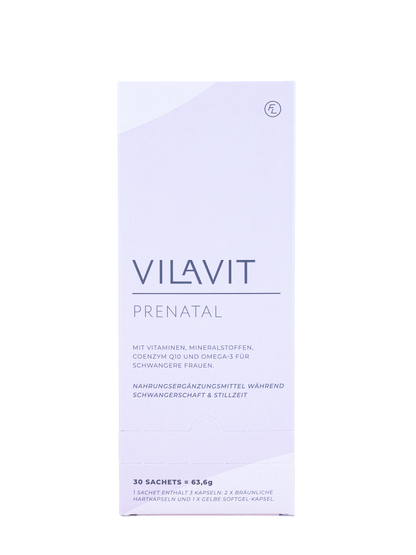
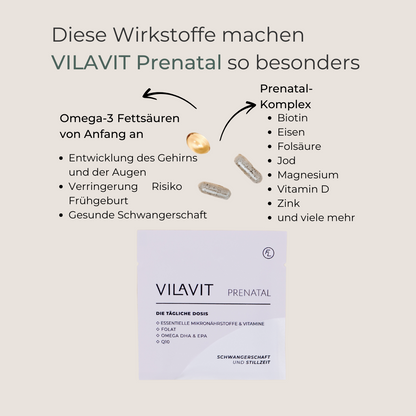
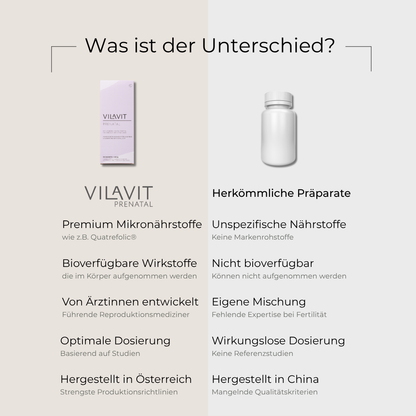
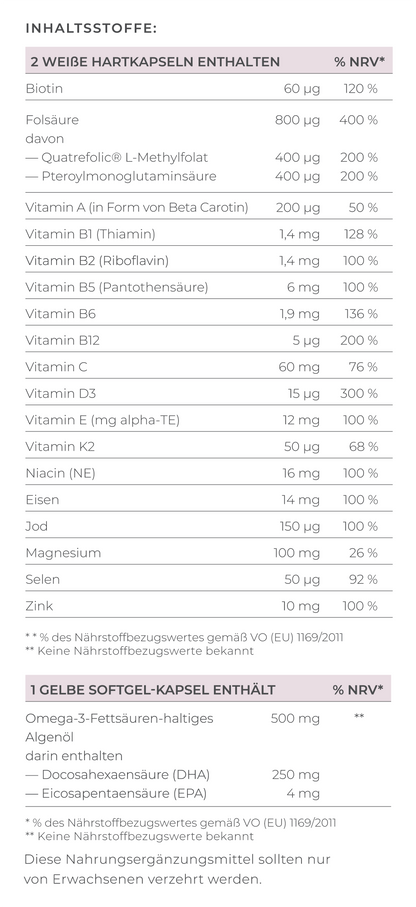
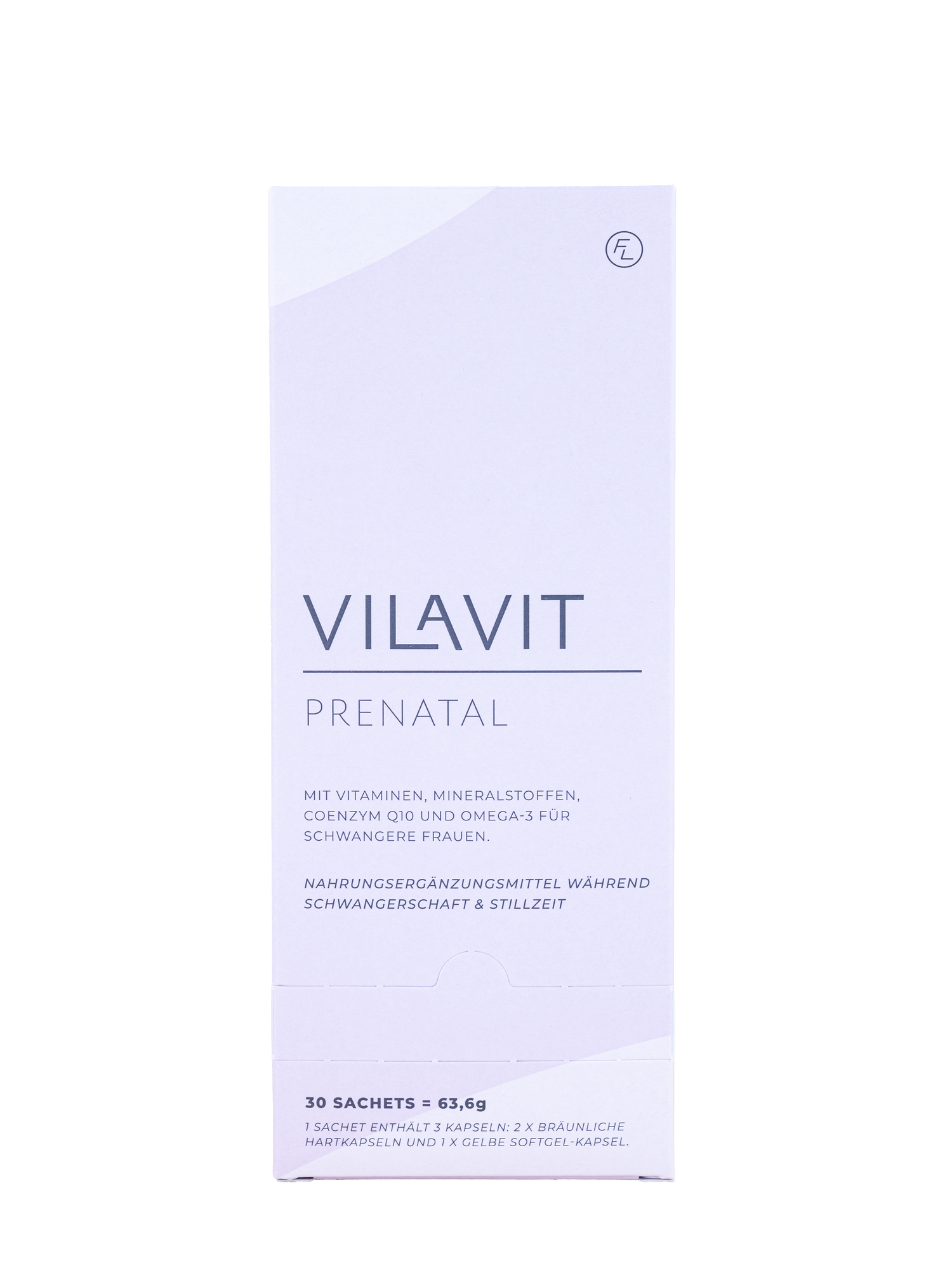
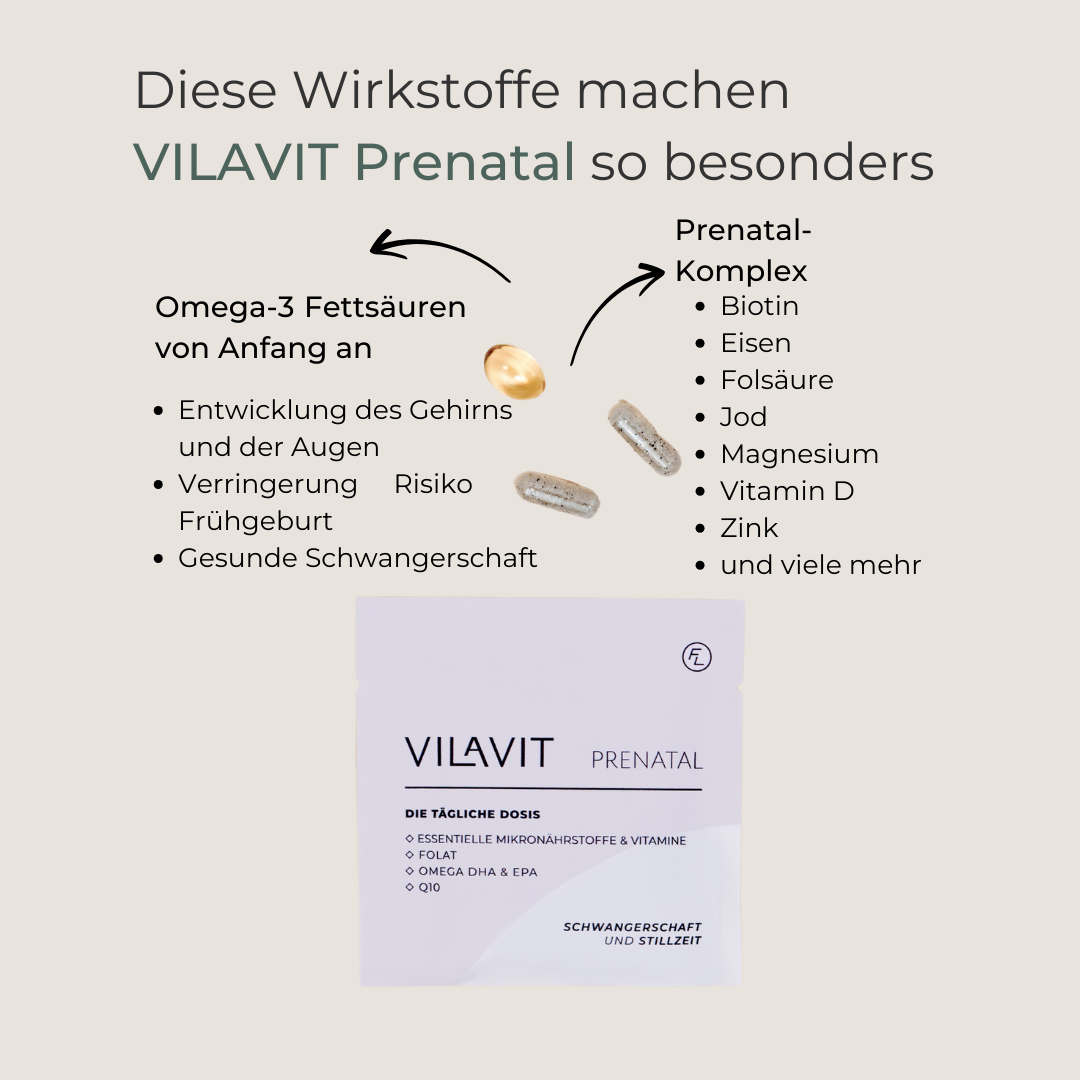
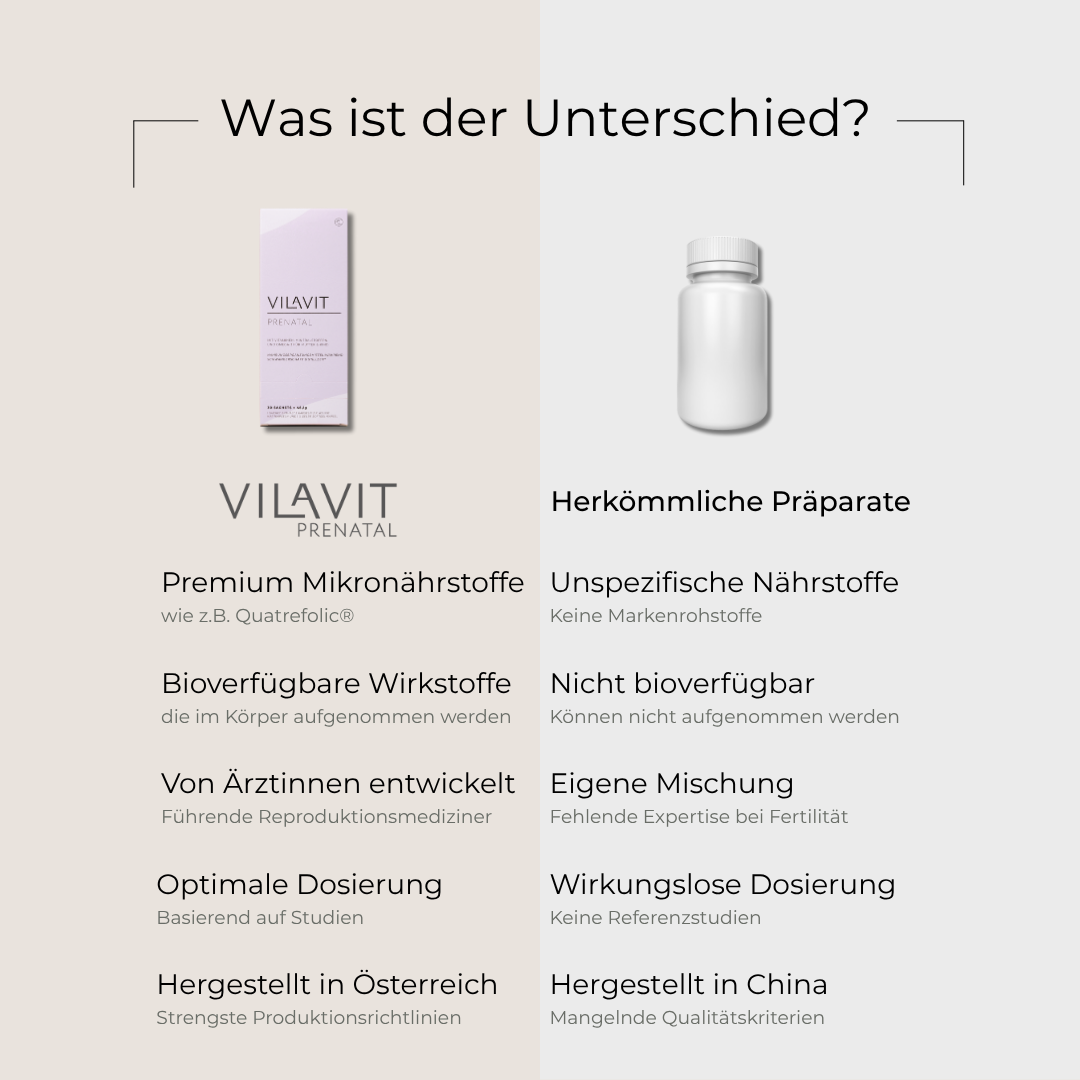
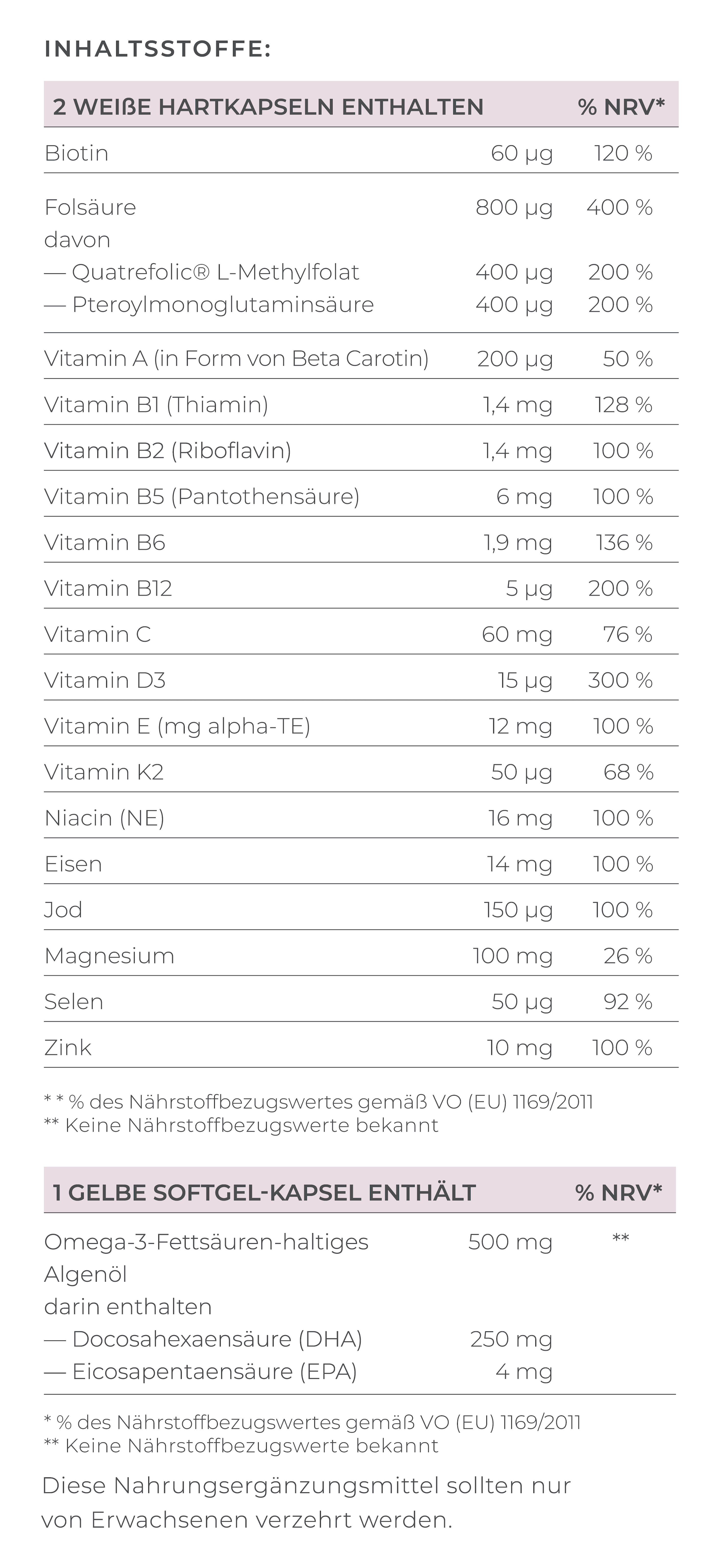
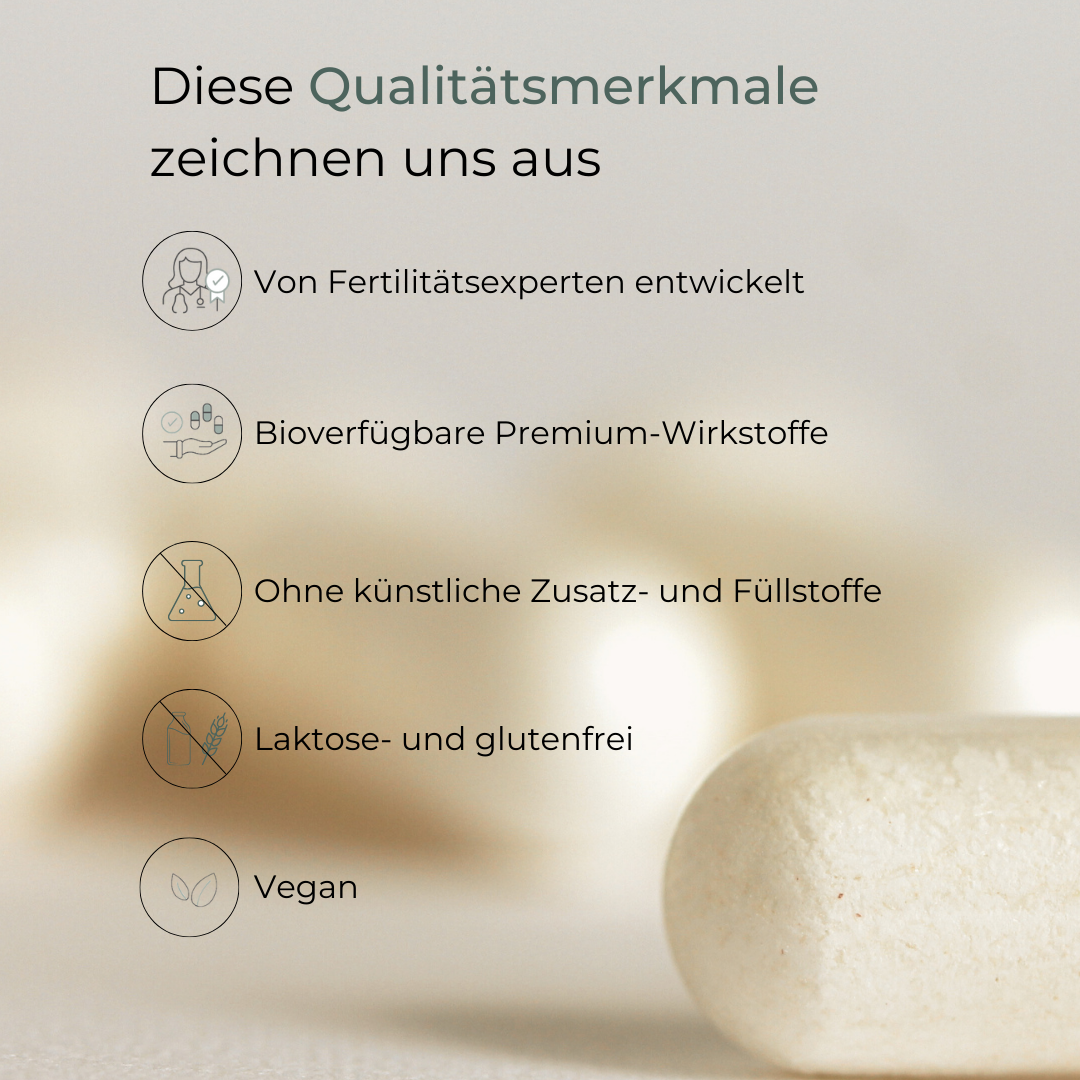
Micronutrient supplementation therefore seems to be extremely valuable, especially for a healthy pregnancy or as support for diabetes. Since we know exactly that it can be incredibly difficult to find a micronutrient supplement that contains exactly the right nutrients in good quality with high bioavailability and a sensible dosage, we at VILAVIT have exactly the right product for you and your baby: our supplement VILAVIT Prenatal was developed specifically for this magical time of pregnancy and is also adapted to a (possible) diabetes condition. For this reason, the micronutrients mentioned above such as folic acid, vitamin B12, vitamin D, vitamin E, vitamin C, iodine, and zinc are of course included. At this point, we would also like to give you and your little miracle a promise from VILAVIT: our supplement was developed precisely on the basis of studies and scientific findings. The studies in this article were therefore not selected because they fit our supplement, but rather the ingredients of our supplement were selected because they fit the studies. Promise!
Frequently asked questions
What is the difference between gestational diabetes and type 1 or type 2 diabetes?
Gestational diabetes develops for the first time during pregnancy and usually disappears after birth. Type 1 diabetes is an autoimmune disease that often occurs in childhood, while type 2 diabetes usually begins in adulthood and is strongly influenced by lifestyle.
What risks does diabetes pose for my baby?
Diabetes during pregnancy can increase the risk of miscarriage, congenital anomalies, an above-average birth weight (macrosomia), and later health problems such as obesity or type 2 diabetes in the child.
When is testing for gestational diabetes done?
The glucose tolerance test usually takes place between the 24th and 28th week of pregnancy. In the case of symptoms or risk factors, testing may also be done earlier or later.
What blood sugar levels should I aim for during pregnancy?
The target values are individual and should be coordinated with your doctor. In general, the rule is to stay within the recommended range at least 70% of the time in order to minimize risks for mother and child.
Can I take insulin during pregnancy?
Yes, insulin is safe during pregnancy after consultation with a doctor. Other medications such as GLP-1 agonists or SGLT-2 inhibitors, on the other hand, are not recommended.
What diet is suitable for diabetes during pregnancy?
A balanced diet with sufficient carbohydrates, protein, little sugar, and plenty of fruit and vegetables is ideal. Micronutrients such as folic acid, vitamin D, iodine, and zinc provide additional support for blood sugar control.
What is a closed-loop system and is it suitable for pregnant women?
A closed-loop system combines a blood sugar sensor with an automatic insulin pump and can replace the pancreas. Not all systems are approved for pregnant women - medical advice should definitely be sought here.
References
- Bundesministerium für Soziales, Gesundheit, Pflege und Konsumentenschutz (BMSGPK). (2026). Schwangerschaftsdiabetes. Öffentliches Gesundheitsportal Österreichs. Abgerufen am 19. Juni 2026 von https://www.gesundheit.gv.at/krankheiten/stoffwechsel/diabetes.html
- American Diabetes Association Professional Practice Committee (2025). 15. Management of Diabetes in Pregnancy: Standards of Care in Diabetes-2025. Diabetes care, 48(1 Suppl 1), S306–S320. https://doi.org/10.2337/dc25-S015
- Clement, N. S., Abul, A., Farrelly, R., Murphy, H. R., Forbes, K., Simpson, N. A. B., & Scott, E. M. (2025). Pregnancy outcomes in type 2 diabetes: a systematic review and meta-analysis. American journal of obstetrics and gynecology, 232(4), 354–366. https://doi.org/10.1016/j.ajog.2024.11.026
- Lee, T. T. M., & Murphy, H. R. (2022). What's new in the management of type 1 diabetes in pregnancy?. British journal of hospital medicine (London, England : 2005), 83(12), 1–10. https://doi.org/10.12968/hmed.2022.0412
- Mohan, S., & Egan, A. M. (2024). Diagnosis and Treatment of Hyperglycemia in Pregnancy: Type 2 Diabetes Mellitus and Gestational Diabetes. Endocrinology and metabolism clinics of North America, 53(3), 335–347. https://doi.org/10.1016/j.ecl.2024.05.011
- Adam, S., McIntyre, H. D., Tsoi, K. Y., Kapur, A., Ma, R. C., Dias, S., Okong, P., Hod, M., Poon, L. C., Smith, G. N., Bergman, L., Algurjia, E., O'Brien, P., Medina, V. P., Maxwell, C. V., Regan, L., Rosser, M. L., Jacobsson, B., Hanson, M. A., O'Reilly, S. L., … FIGO Committee on the Impact of Pregnancy on Long-term Health and the FIGO Division of Maternal and Newborn Health (2023). Pregnancy as an opportunity to prevent type 2 diabetes mellitus: FIGO Best Practice Advice. International journal of gynaecology and obstetrics: the official organ of the International Federation of Gynaecology and Obstetrics, 160 Suppl 1(Suppl 1), 56–67. https://doi.org/10.1002/ijgo.14537
- Wei, X., Zou, H., Zhang, T., Huo, Y., Yang, J., Wang, Z., Li, Y., & Zhao, J. (2024). Gestational Diabetes Mellitus: What Can Medical Nutrition Therapy Do?. Nutrients, 16(8), 1217. https://doi.org/10.3390/nu16081217
- Argano, C., Mirarchi, L., Amodeo, S., Orlando, V., Torres, A., & Corrao, S. (2023). The Role of Vitamin D and Its Molecular Bases in Insulin Resistance, Diabetes, Metabolic Syndrome, and Cardiovascular Disease: State of the Art. International journal of molecular sciences, 24(20), 15485. https://doi.org/10.3390/ijms242015485
- Ahmad, R., Shaju, R., Atfi, A., & Razzaque, M. S. (2024). Zinc and Diabetes: A Connection between Micronutrient and Metabolism. Cells, 13(16), 1359. https://doi.org/10.3390/cells13161359
- Yedjou, C. G., Grigsby, J., Mbemi, A., Nelson, D., Mildort, B., Latinwo, L., & Tchounwou, P. B. (2023). The Management of Diabetes Mellitus Using Medicinal Plants and Vitamins. International journal of molecular sciences, 24(10), 9085. https://doi.org/10.3390/ijms24109085