


- Varicoceles are also known as varicose veins in the testicles
- Varicose veins in the testicles have a negative impact on fertility in many ways
- Depending on the severity, they can be effectively treated with or without surgery
- In addition to surgery, complementary therapies are also available to provide the ultimate fertility boost
While the possible causes of infertility in women are often well understood and can be diagnosed early on, the diagnosis of varicocele is, unfortunately, still not discussed enough today. A varicocele is often referred to as a “varicose vein of the testicle”—an apt description of the problem. But to what extent do varicoceles affect fertility, and what is the best way to treat them? We’ve compiled the most important information on this topic for you here.
What is a varicocele?
A varicocele, or varicose vein of the testicle, is nothing more than a “regular” varicose vein—only in the testicle. Put simply, it is an enlarged vein in the testicle. While this may sound very embarrassing at first glance, it really doesn’t have to be, because varicoceles are not that rare and, unfortunately, are also the most common cause of male infertility (Otobo O. F., 2026). Although varicoceles aren’t exactly a common topic of conversation these days, there’s really no reason to feel ashamed, since very few men face this condition alone.
To what extent do varicoceles affect fertility?
Currently, there are many different theories about how varicoceles affect fertility; however, the actual cause has unfortunately not yet been conclusively determined. One of the most common theories is that the increased blood flow to the testicles raises their temperature, which can then negatively affect sperm production. Sperm production is highly sensitive to temperature and can only occur without problems under absolutely ideal conditions (Otobo O. F., 2026).
Other scientists suspect that varicoceles primarily increase oxidative stress in the cells of the testicles, which can impair fertility (Fang, B., et al., 2026).
Further studies also suggest that varicoceles may contribute to testosterone deficiency (Aboukhshaba, A., et al., 2026). At this point, however, it is particularly important to note that taking testosterone is not a form of treatment and should never be done without medical supervision. You can find information on the consequences of taking synthetic testosterone derivatives (also known as anabolic steroids) here.
Surgical Treatment of Varicoceles
Although varicoceles can cause a variety of problems, they are now very treatable. Whether surgical removal of the varicocele—known as a varicocelectomy—is appropriate for you should always be determined by a specialist. Even if a varicocele is present, surgery is not necessarily required. The reason for this is that varicoceles are classified into three grades, and less severe cases may be effectively treated without immediate surgery (Fang, B., et al., 2026). However, varicocelectomy is considered the most common surgery that men with reduced fertility and varicoceles undergo (Otobo O. F., 2026).
If surgical treatment is recommended and performed, experts agree that it does not carry significant risks, and side effects and complications are, fortunately, extremely rare. In addition, varicocelectomy is considered a very effective treatment method (Marcinek, M., et al., 2026). Studies show that surgical treatment of varicocele can significantly improve sperm count and motility. Furthermore, the number of immotile sperm decreases just as significantly, thereby improving fertility. All of these parameters are considered important indicators of a good semen analysis (Otobo O. F., 2026). By the way, you can find other parameters of a semen analysis and their exact meanings here.
Furthermore, a varicocelectomy can increase testosterone levels and also improve erectile function (Aboukhshaba, A., et al., 2026). The chance of natural conception also generally increases after surgical treatment of varicoceles (Marcinek, M., et al., 2026).
Non-Surgical Treatment of Varicoceles
Especially in cases of Grade 1 varicoceles, non-surgical treatment can already yield the desired results. This allows you to avoid surgery while still improving fertility. However, whether this is advisable and will fulfill your desire to have children in the long term should be decided in consultation with a doctor, just as with surgical treatment.
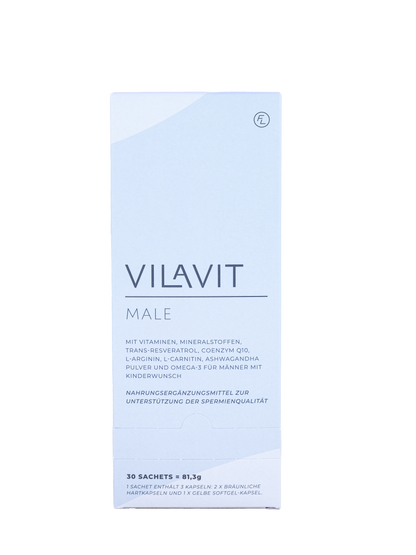
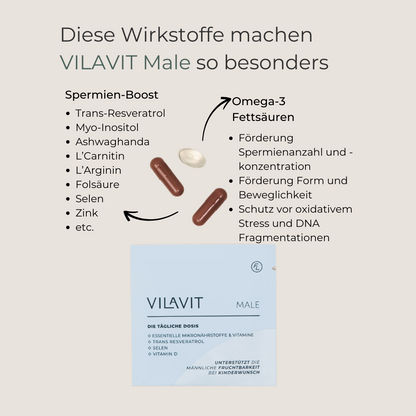
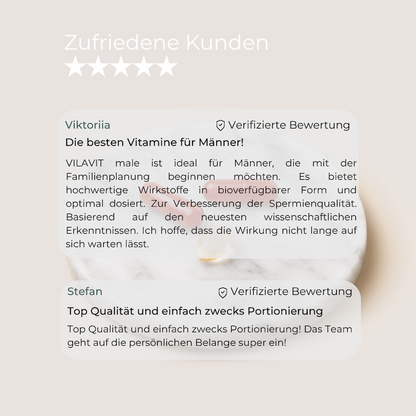
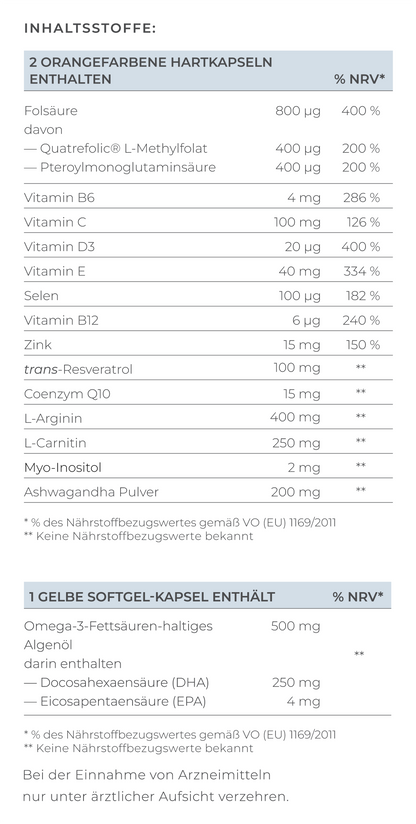
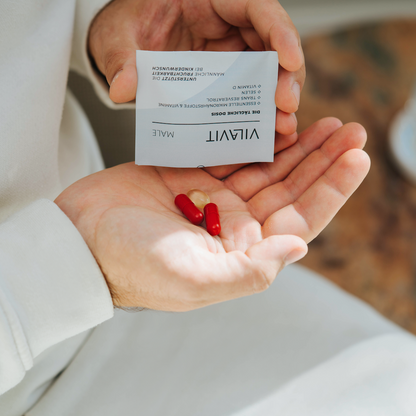
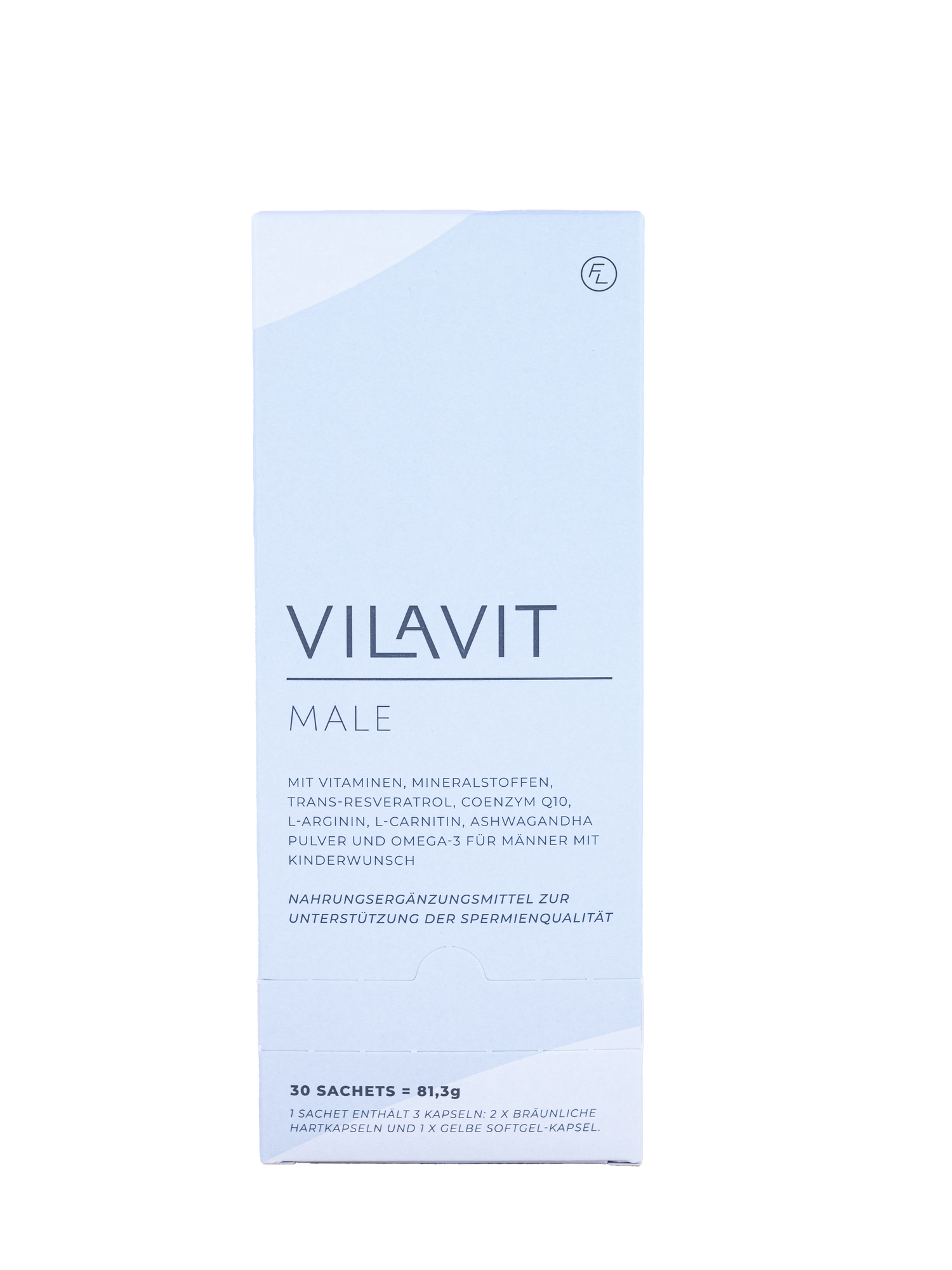
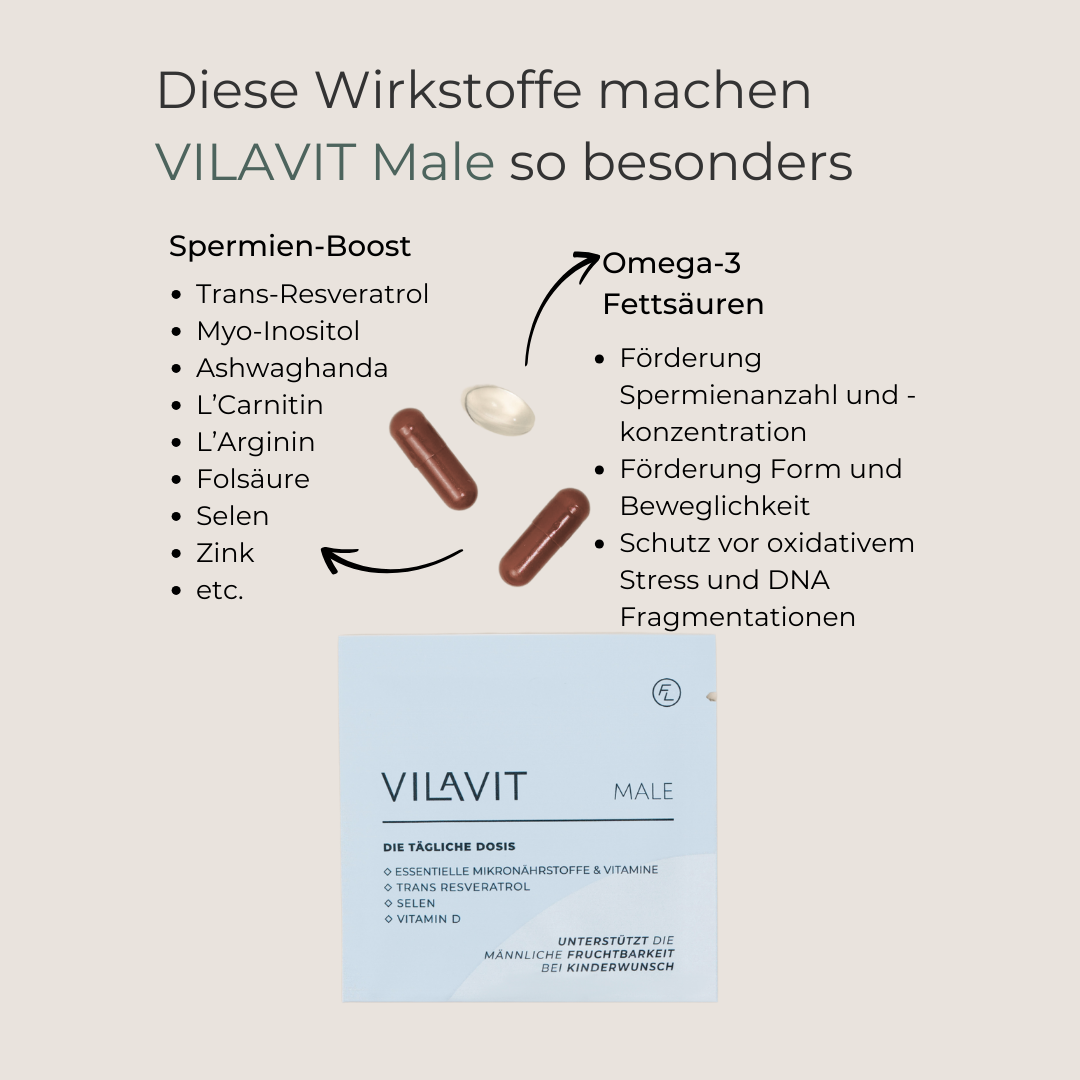
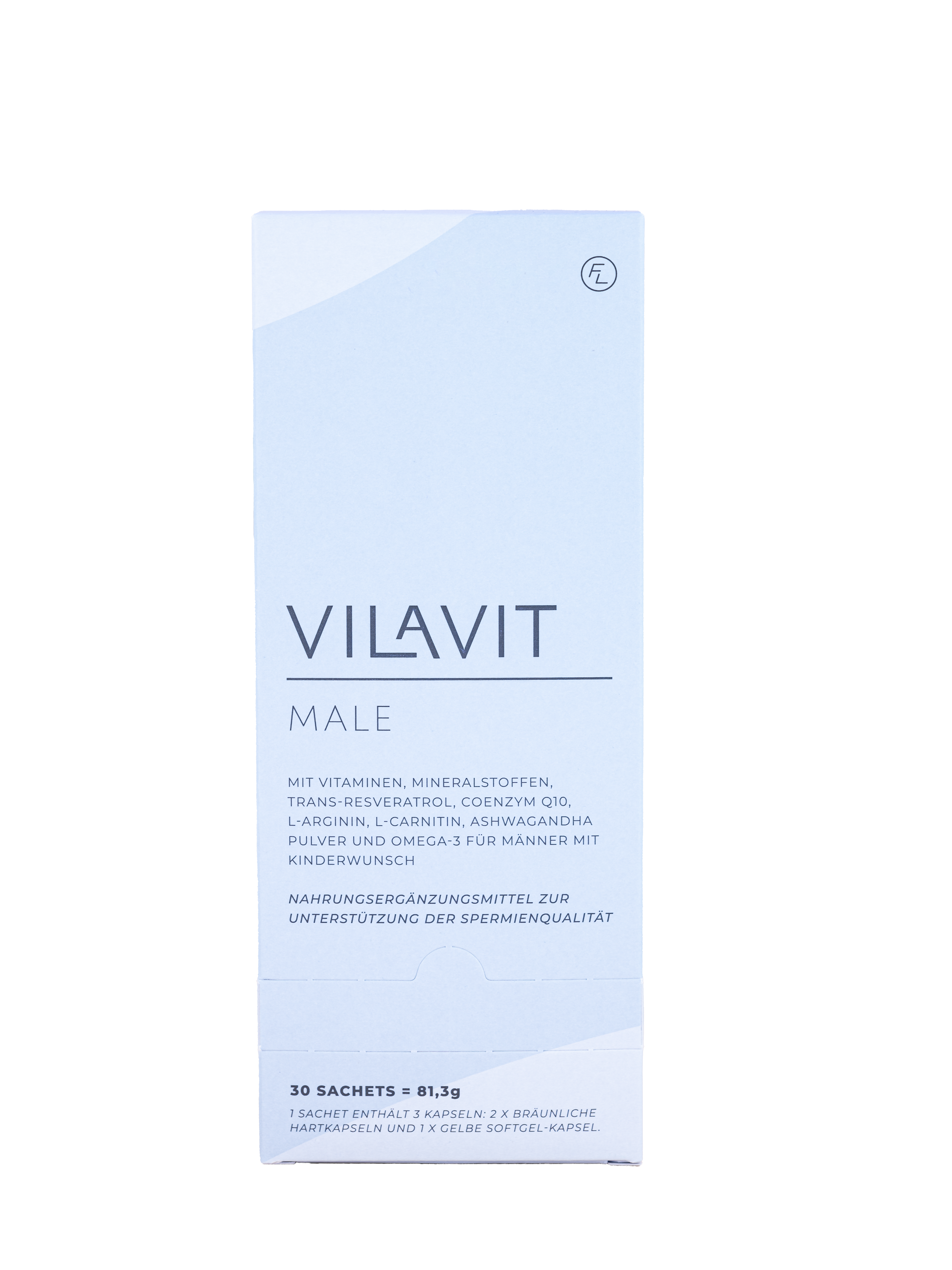
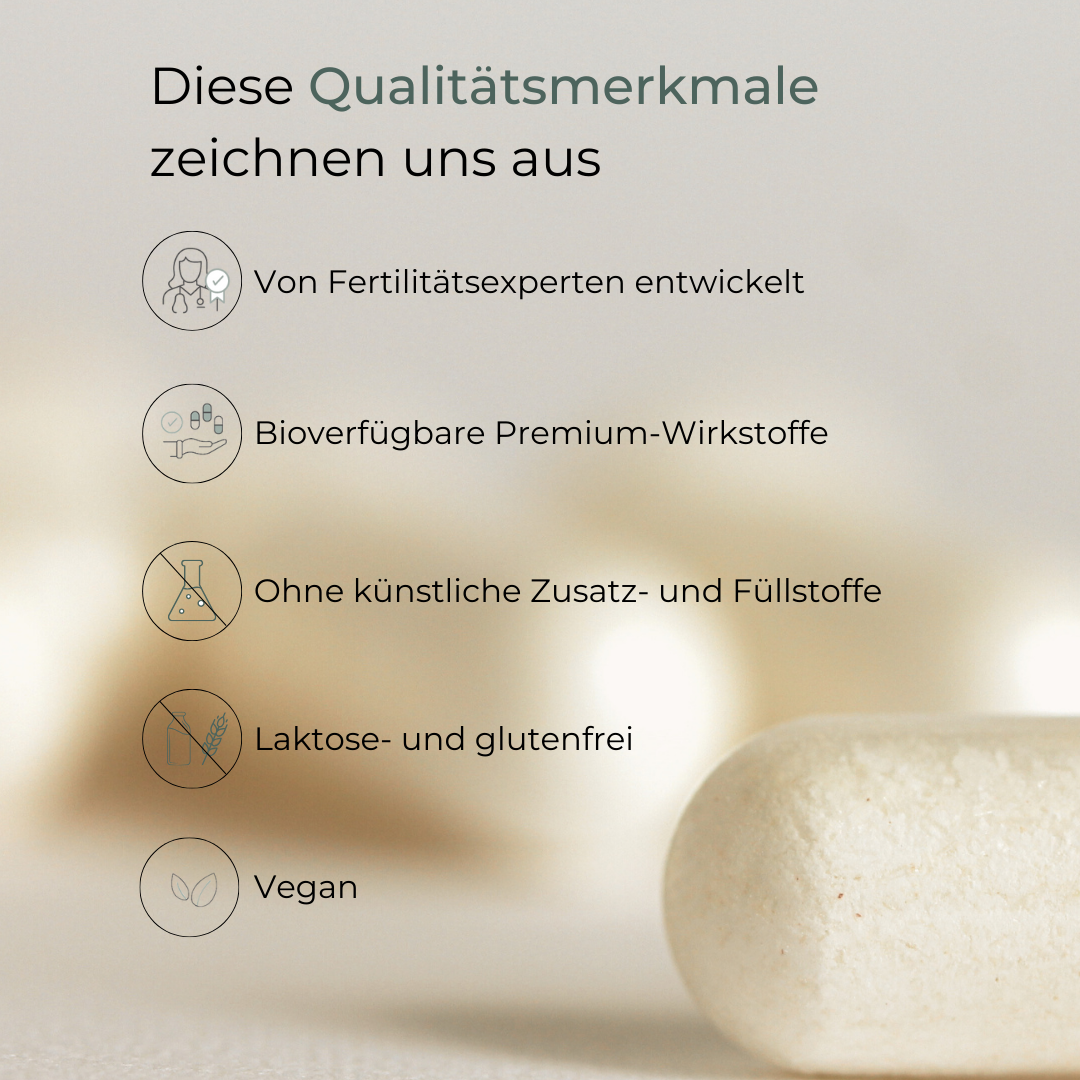
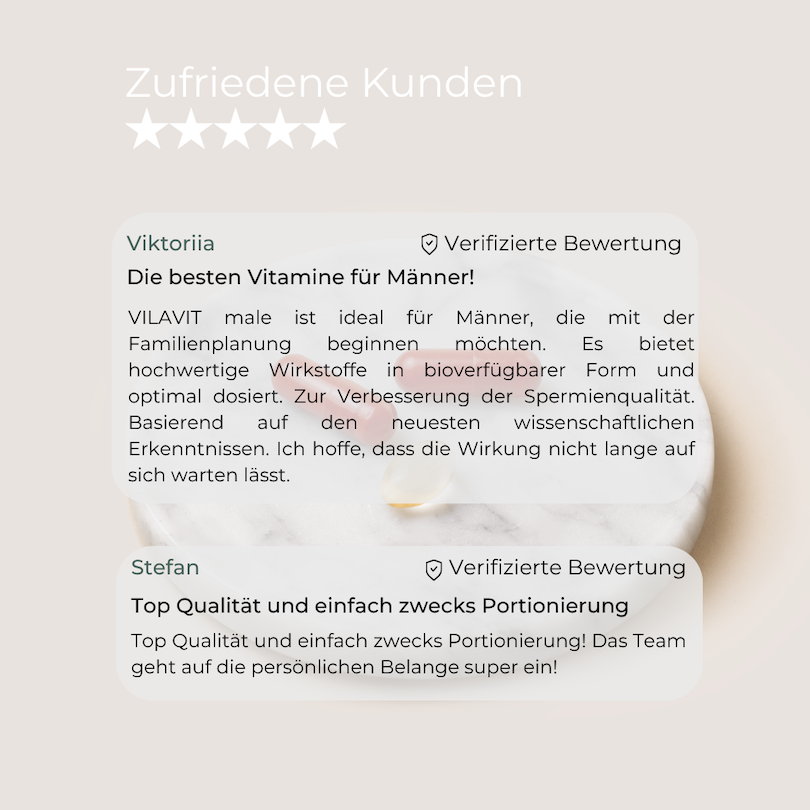
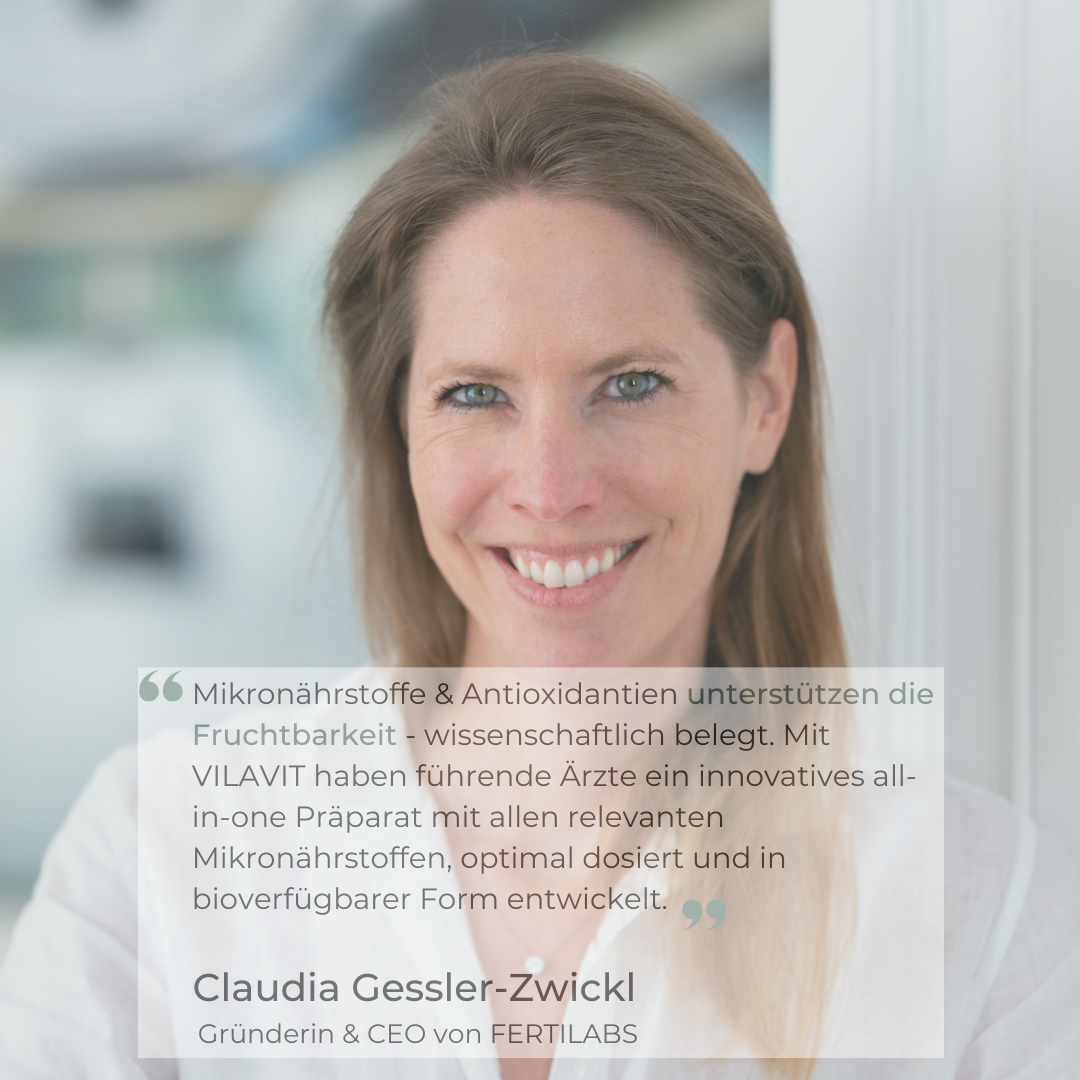
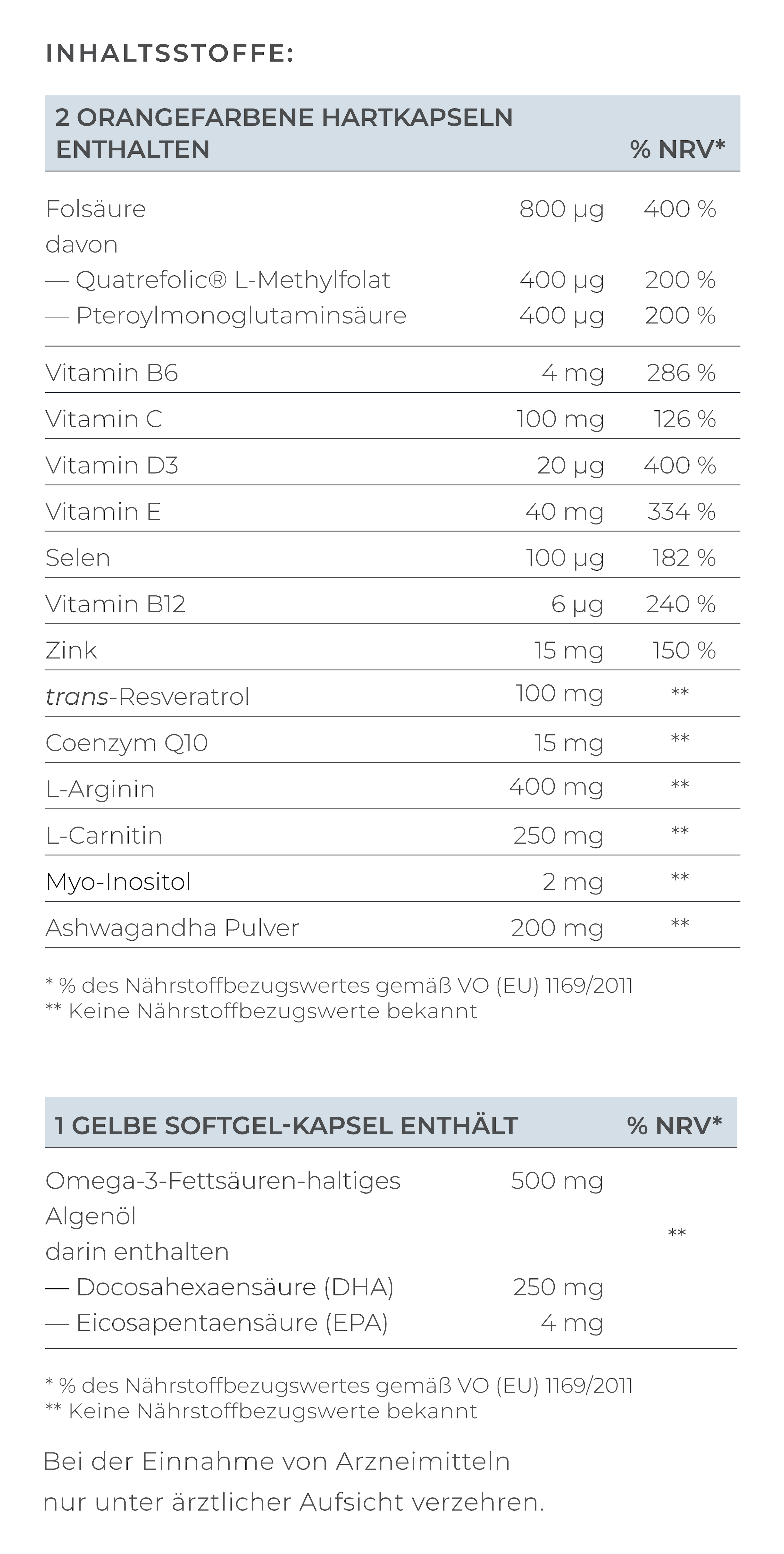
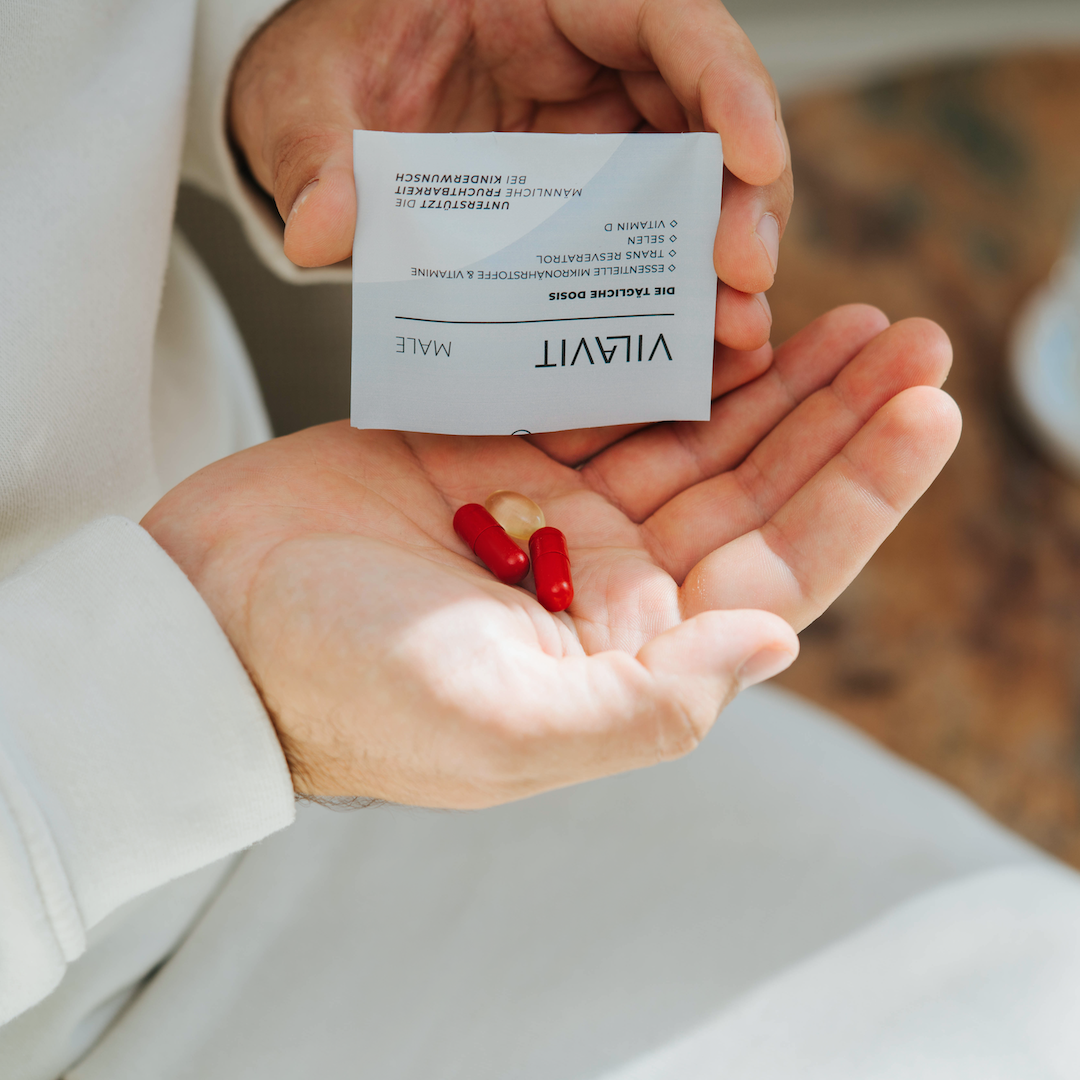
Taking antioxidants can improve sperm concentration and sperm motility (i.e., mobility), particularly in cases of Grade 1 varicoceles. These substances help reduce oxidative stress, which varicoceles can exacerbate. This reduction can then lead to improved fertility. In a study in which affected men were treated with vitamin C, vitamin E, zinc, and selenium, these very positive changes in sperm quality were observed (Fang, B., et al., 2026). To make your daily routine as easy as possible and ensure that you regularly consume enough antioxidants and other micronutrients to improve your fertility, we’ve developed VILAVIT Male for you. VILAVIT Male is an innovative all-in-one supplement that saves you the hassle of searching for and taking various supplements—such as vitamins C and E, zinc, and selenium—by combining all the relevant micronutrients into a single product. You can find a detailed list of the benefits of VILAVIT Male and the experiences of other men here.
Complementary Therapies to Surgery
Even though a varicocelectomy alone already yields promising results, you can get even more out of it and give your fertility an extra boost. Studies show that you can further improve the results of surgical treatment through targeted measures.
Taking probiotics for the first three months after varicocelectomy can lead to an increase in sperm concentration. In addition, the morphology (i.e., shape) of the sperm improves with the additional intake of probiotics. Furthermore, probiotics are generally very well tolerated and are relatively inexpensive and easy to obtain (Asadi, M., et al., 2023).
To improve chromatin integrity—that is, the intact state of DNA and associated proteins in the sperm—taking N-acetyl-L-cysteine after surgery is recommended (Barekat, F., et al., 2016).
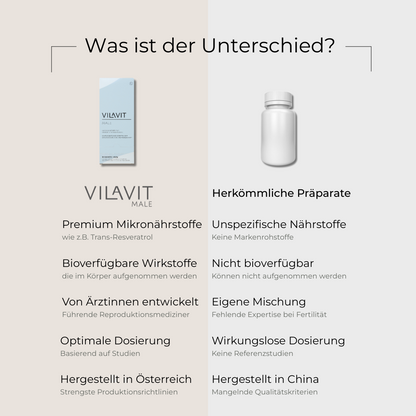
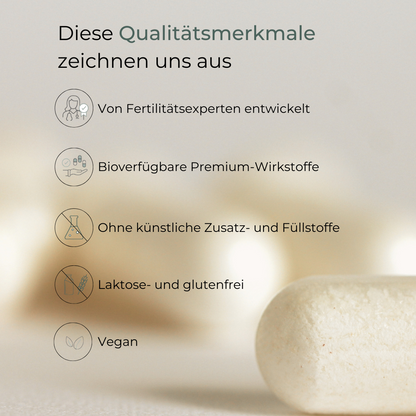
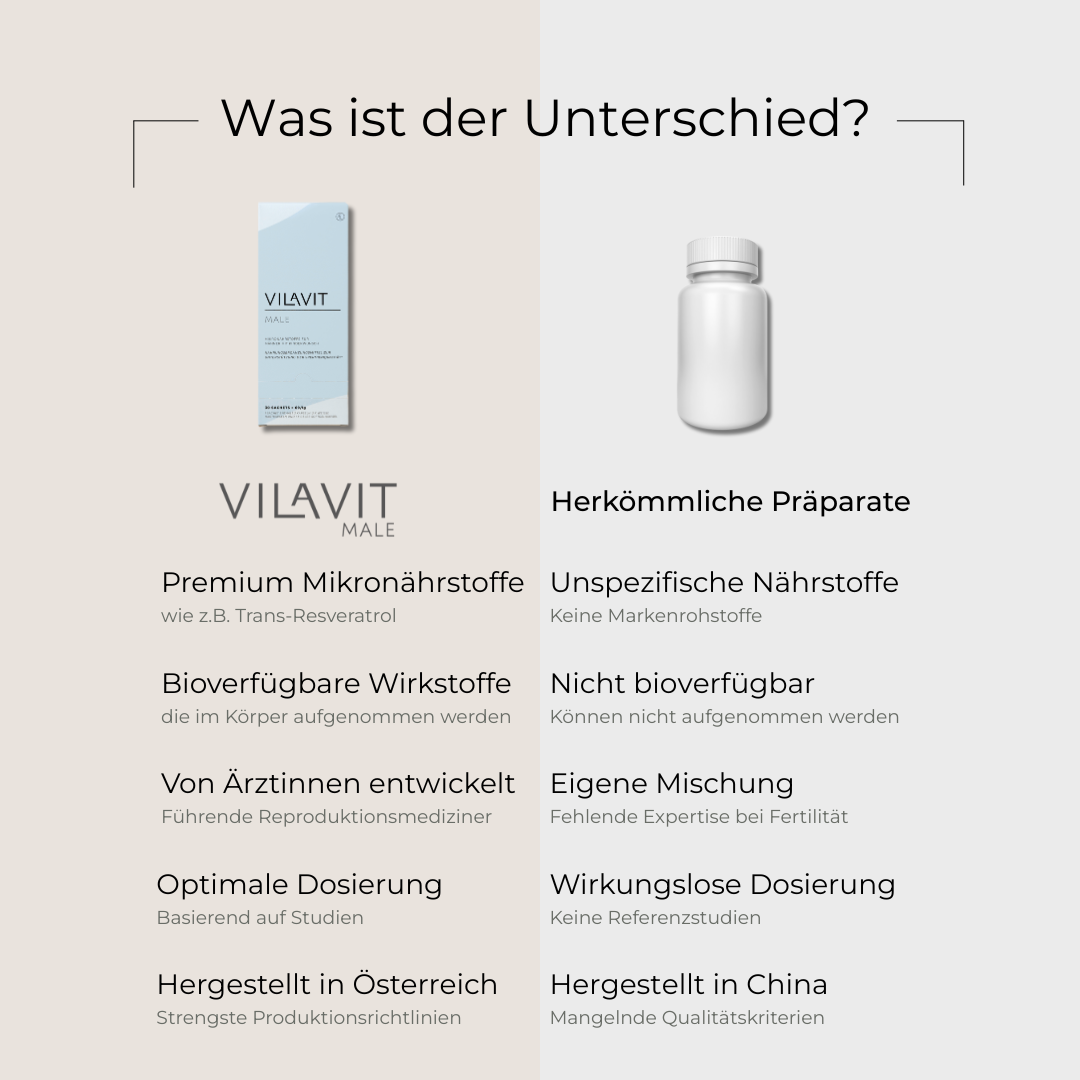
Last but not least, you can increase your sperm count and motility by taking targeted micronutrient supplements. In particular, taking vitamin E, selenium, and folic acid for six months after the procedure has an additional positive effect on your fertility beyond that of the surgery itself (Ardestani Zadeh, A., et al., 2019). We also recommend VILAVIT Male for this combination of nutrients. In addition to these key micronutrients, VILAVIT Male contains other nutrients that can improve your fertility and sperm quality. This way, you not only increase your chances of having the baby you want, but you also avoid the hassle of taking different supplements or worrying about the quality of the ingredients. VILAVIT undergoes rigorous external testing and is manufactured in Austria to the highest quality standards to provide you and your fertility with the best possible support.
Frequently Asked Questions
What is a varicocele and how does it develop?
A varicocele is an enlargement of the venous network in the testicular region—similar to a varicose vein in the leg. It is usually caused by weak venous valves, which disrupt blood flow and lead to blood pooling.
Why does a varicocele impair sperm quality?
The blood congestion raises the temperature in the testicles. Since sperm development requires a temperature that is about 2–4 °C below core body temperature, this overheating leads to oxidative stress and oxygen deprivation. This damages sperm motility, count, and DNA.
How is a varicocele diagnosed?
The diagnosis is made painlessly by a urologist or andrologist through palpation while the patient is standing and lying down, as well as with the help of a high-resolution ultrasound examination (Doppler sonography).
Is it possible to conceive naturally despite having a varicocele?
Yes, many men with a mild varicocele remain fertile. However, if sperm parameters in the semen analysis are significantly impaired or if the desire to have children remains unfulfilled for an extended period, treatment should be considered.
What treatment options are available for a varicocele?
The most common methods include microsurgery (ligation of the affected veins) and sclerotherapy or embolization (obliteration or occlusion of the vein). Following successful treatment, sperm quality often improves within 3–6 months. If surgery is not necessary, targeted supplementation can lead to an improvement in sperm quality.
References
- Otobo O. F. (2026). Adequacy of Sperm Count and Motility following Varicocelectomy in Clinical Varicocele Patients in a Tertiary Health Institution, Nigeria. Nigerian medical journal : journal of the Nigeria Medical Association, 67(3), 1039–1050.
- Fang, B., Lou, H., Fu, A., Yi, X., Zhang, W., He, H., Shang, X., Cheng, W., & Fu, D. (2026). Dietary antioxidants and micronutrient status in varicocele-associated male infertility: oxidative stress-mediated effects on semen quality. Frontiers in nutrition, 13, 1832900. https://doi.org/10.3389/fnut.2026.1832900
- Aboukhshaba, A., Almajed, E., Bin Shunayf, M., Albawardy, M., AlThunayyan, A., Alsuwailim, A., Alhumaid, T., & Alhathal, N. (2026). Effect of Varicocelectomy on Testosterone Parameters in Hypogonadism: A Systematic Review and Meta-Analysis. The world journal of men's health, 10.5534/wjmh.250255. Advance online publication. https://doi.org/10.5534/wjmh.250255
- Marcinek, M., Szastok, P., Dybczak, M., Doliński, M., Doliński, Ł., Nocoń, J., & Tkocz, M. (2026). Varicocelectomy in men with varicocele-associated infertility: a narrative review of semen quality and reproductive outcomes. Translational andrology and urology, 15(7), 252. https://doi.org/10.21037/tau-2026-0189
- Asadi, M., Gholipour, F., Rahavian, A., & Javanbakht, M. (2023). Effects of probiotic supplementation on semen parameters after varicocelectomy: A randomized controlled trial. Journal of research in medical sciences : the official journal of Isfahan University of Medical Sciences, 28, 74. https://doi.org/10.4103/jrms.jrms_392_23
- Barekat, F., Tavalaee, M., Deemeh, M. R., Bahreinian, M., Azadi, L., Abbasi, H., Rozbahani, S., & Nasr-Esfahani, M. H. (2016). A Preliminary Study: N-acetyl-L-cysteine Improves Semen Quality following Varicocelectomy. International journal of fertility & sterility, 10(1), 120–126. https://doi.org/10.22074/ijfs.2016.4777
- Ardestani Zadeh, A., Arab, D., Kia, N. S., Heshmati, S., & Amirkhalili, S. N. (2019). The role of Vitamin E - Selenium - Folic Acid Supplementation in Improving Sperm Parameters After Varicocelectomy: A Randomized Clinical Trial. Urology journal, 16(5), 495–500. https://doi.org/10.22037/uj.v0i0.4653