


- The media rarely reports on IVF, ICSI, and similar procedures among celebrities—even though many of them are over 35 years old when they become pregnant.
- Pregnancy complications among celebrities are also rarely mentioned.
- However, statistics and biology tell a different story than media reports.
Have you noticed that female celebrities seem to get pregnant without any trouble, even well past the age of 40—and even naturally? Of course, this raises the question of what the media is keeping quiet about—or what fertility secrets are being guarded in Hollywood that you, too, could benefit from. Or is there no secret at all, and is your psyche simply being weighed down by lies about the “easy” late-life motherhood of other women?
Media Reports on Famous Women’s Pregnancies
Sometimes it seems as though famous women get pregnant quite “easily” and without any problems, and that their fertility is excellent regardless of their age. Scientists have investigated this very phenomenon to find out whether this impression is purely subjective or whether the portrayal of celebrity pregnancies is actually that rosy. It’s a well-known fact, after all, that as women age, the chance of natural conception decreases, and consequently, more pregnancies result from artificial insemination. Surprisingly, however, out of a total of 240 celebrity pregnancies examined in the media, only 3 were reported to have resulted from assisted reproduction. This figure seems particularly surprising given that well over half of the pregnant women were already over 35 years old. The likelihood that only 1.25% of pregnancies actually resulted from artificial insemination is, unfortunately, very low. Experts therefore suspect that far more famous women have benefited from modern reproductive medicine than is publicly known (Peterson B., 2019).
In addition to the conception process itself, pregnancy in women over 35 is more frequently accompanied by complications than pregnancy in younger women. Unfortunately, the risks of miscarriage, trisomy, preterm birth, preeclampsia, and gestational diabetes increase with the pregnant woman’s age. Since the majority of the pregnant women described were over 35 years old, statistically speaking, these complications should unfortunately not be uncommon. Yet over the four-year period during which famous pregnant women were featured, such complications and the associated risks were mentioned only twice. Here, too, experts unfortunately assume that the reality is quite different (Peterson B., 2019).
Ultimately, it is also noteworthy that one-third of the magazine covers examined focus on celebrity pregnancies but, unfortunately, often use misleading headlines to do so. Such headlines often entice readers to want to read the article but are, of course, a reprehensible tactic (Peterson B., 2019).
Regardless of how alarming these findings are, protecting the privacy of famous individuals is, of course, a top priority. Nevertheless, reports on “natural” family happiness, for example, could be supplemented with statistical facts—presented objectively and without judgment—to correct the distorted picture. Especially today, when social media is an extremely important source of health-related information, fact-checking could serve as a helpful tool for building knowledge in this very context.
Knowledge About Fertility with Age
Celebrity pregnancies are a huge topic, not least on social media, and it’s hard to imagine life without them. According to experts, 80% of people use social media to find information on health-related topics. Information about babies, in particular, is among the most frequently searched for. This is precisely where false narratives surrounding fertility, the desire to have children, and pregnancy can arise. This phenomenon affects people from all social and educational backgrounds and even influences decisions regarding one’s own health (Ibitoye, O. F., et al., 2026).
Unfortunately, social media also contains a great deal of misinformation or misleading and incomplete reports on fertility and related topics. For example, a large proportion of respondents in one study underestimated the decline in fertility with age. What makes this particularly concerning is that the respondents themselves were women who had undergone IVF and had therefore actually engaged more deeply with the topic. A full 28% of the respondents stated that this misperception stemmed from information obtained from social media, celebrities, friends, or medical staff. This source of information thus exerts a greater influence than other factors (Mac Dougall, et al., 2013).
When confronted with their own misconceptions, 44% of the women surveyed were shocked or alarmed by their own level of knowledge. These were also women who had undergone IVF (Mac Dougall, et al., 2013).
Alarmingly, however, studies show not only that those affected often do not know what the actual chances of pregnancy are as they age, but also that doctors and other healthcare professionals are sometimes misinformed. Given that these individuals often play an advisory role, this misguided narrative appears to be particularly dramatic and persistent (Peterson B., 2019).
Ultimately, the chances of success with artificial insemination are also often overestimated—unfortunately, they average around 12% (Peterson B., 2019).
Facts Instead of Illusions: What Is Actually True?
Since we’ve already described fact-checking as a useful educational tool, we must, of course, also present a whole host of facts:
The older a woman gets, the poorer the quality of her eggs becomes, and the fewer eggs she has overall. In addition, the regularity of ovulation may decrease, making it harder to predict her fertile window. Unfortunately, the uterus itself does not stay young forever, and the endometrium may no longer be quite as well-prepared for implantation and pregnancy as it is in younger women (Carlson, K., et al., 2026). Another factor that should not be overlooked is the increased risk of aneuploidy due to incorrect cell division. Oxidative stress also increases with age and can damage various cells necessary for successful fertilization and a healthy pregnancy. Similarly, damage to the mitochondria increases, which can impair the cells’ energy supply (Moghadam, A. R. E., et al., 2022).
Effects of dishonest or incomplete reporting
It is now clear that reports of seemingly perfect pregnancies have a major influence on other people’s perceptions, but there are additional problems that can arise as a result.
In one study, 23% of the women surveyed stated that they would have tried to get pregnant earlier if they had been aware of the difficulties associated with motherhood later in life. However, some women would have stuck to their life plans anyway, either because their circumstances required it or because it suited them best (Mac Dougall, K., et al., 2013).
Due to the widespread perception that fertility remains unproblematic even with advancing age, many women—in the view of many experts—act too late or without sufficient information. Many women are unaware of the full scope of the issue, which is why they do not begin to consider their journey toward parenthood until very late in life. Scientists therefore recommend that couples facing fertility issues consult an endocrinologist specializing in reproductive medicine as soon as possible. If possible, they also recommend saving money early on for reproductive medical procedures or other supportive measures and, if necessary, freezing eggs at an early stage. In addition, lifestyle choices should be as conducive to fertility as possible (Carlson, K., et al., 2026).
Tips for Your Journey to Parenthood
The journey to parenthood can be an incredibly exhausting and intense time—and, unfortunately, it can also be very stressful. Especially when you’re hoping to have a child, it’s important to take your gynecological checkups very seriously and to seek additional medical help relatively quickly. This is particularly important if you’re having trouble conceiving or facing fertility issues. Together with specialists, your fertility and that of your partner will be thoroughly evaluated. If necessary, the appropriate medications, therapies, or treatments will then be recommended to you.
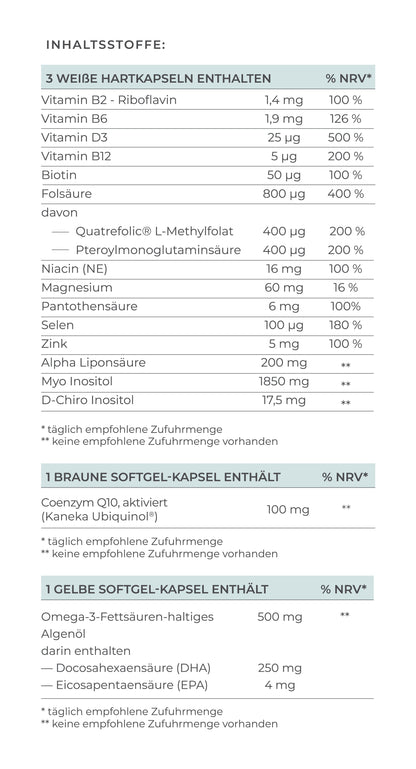
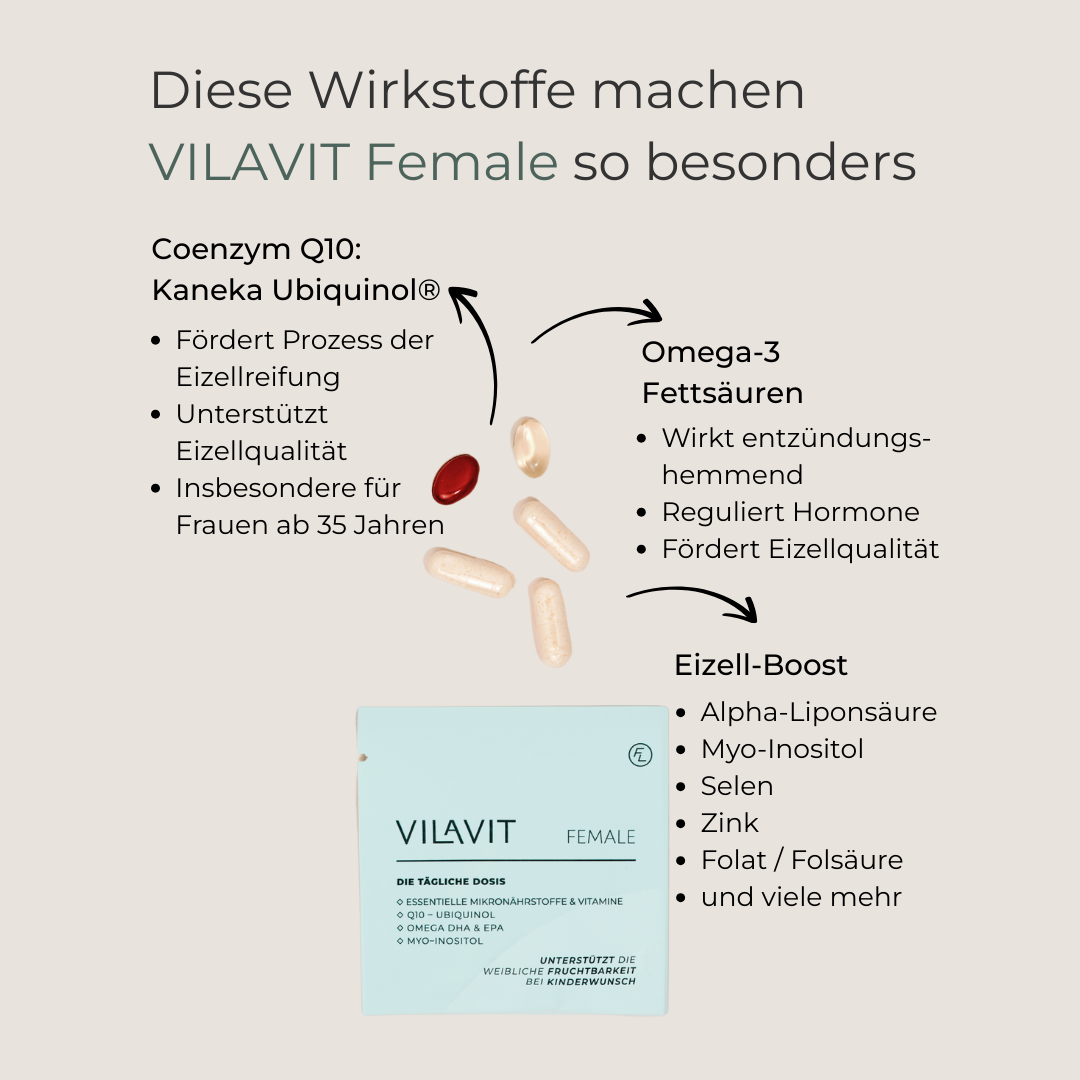
Lifestyle also plays a crucial role and can—or rather, should—be adjusted even before you actively start trying to conceive, as these measures begin to take effect after a delay of about three months (or possibly longer, depending on the measure). You can find information here on how, for example, the consumption of energy drinks can affect your fertility, while the topic of microplastics and fertility is covered in this article. You can find out here what your allergies have to say about trying to conceive and check here to learn how you can improve your egg quality through nutrients, and here to improve sperm quality. We’d also like to debunk another internet myth: the “Ozempic® babies”—that is, pregnancies resulting from “weight-loss injections.” You can find an interesting article on this topic here.
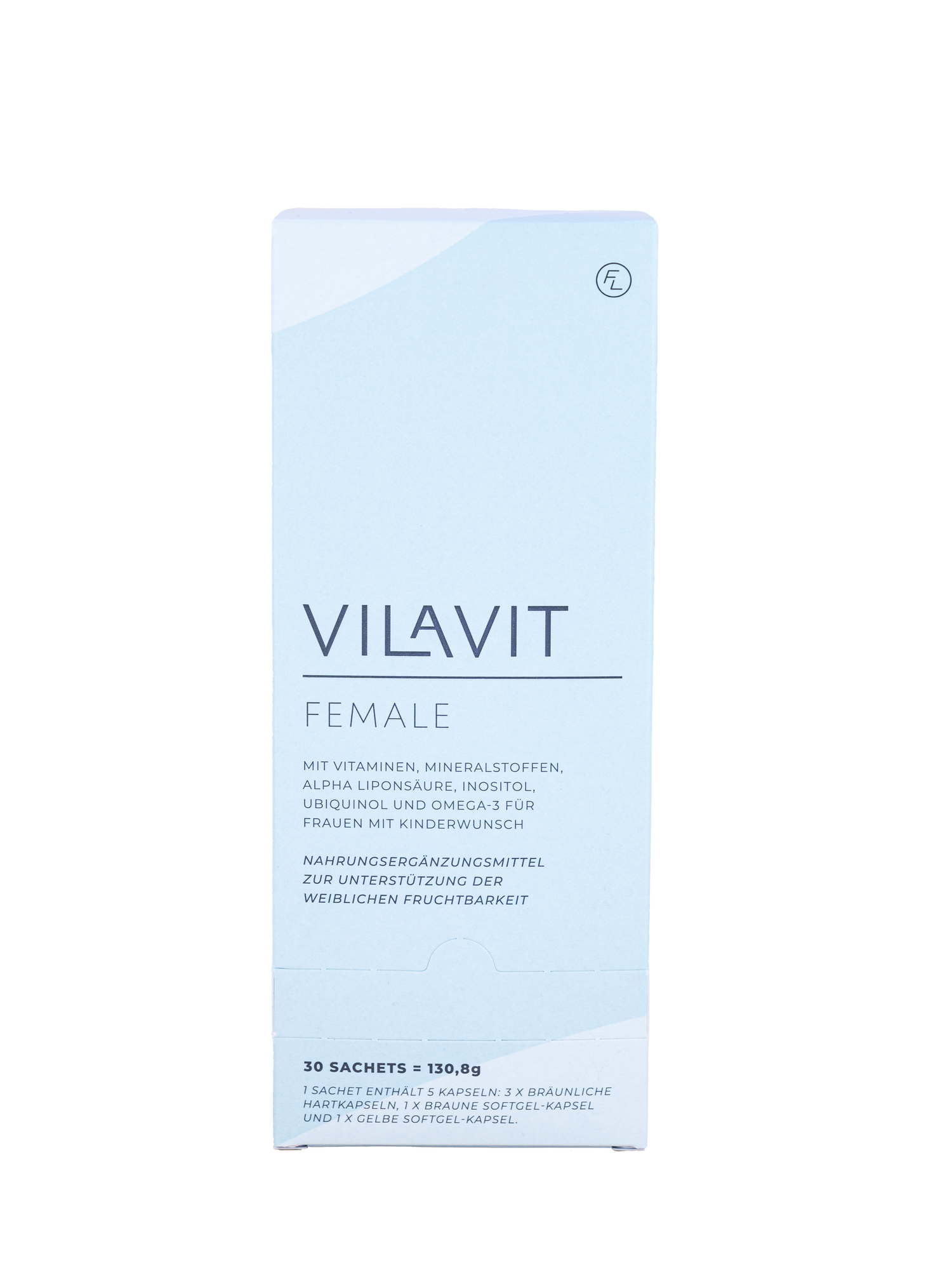
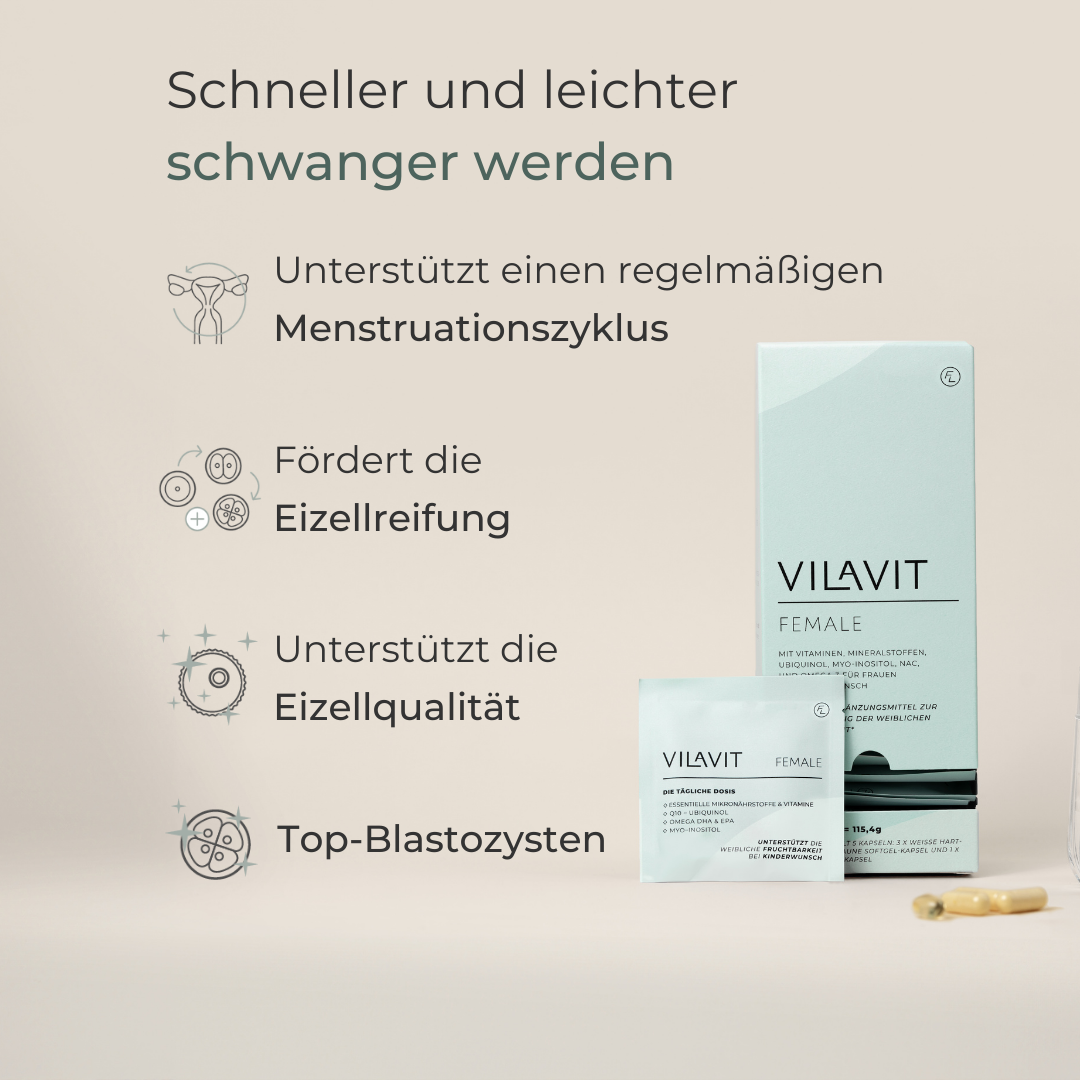
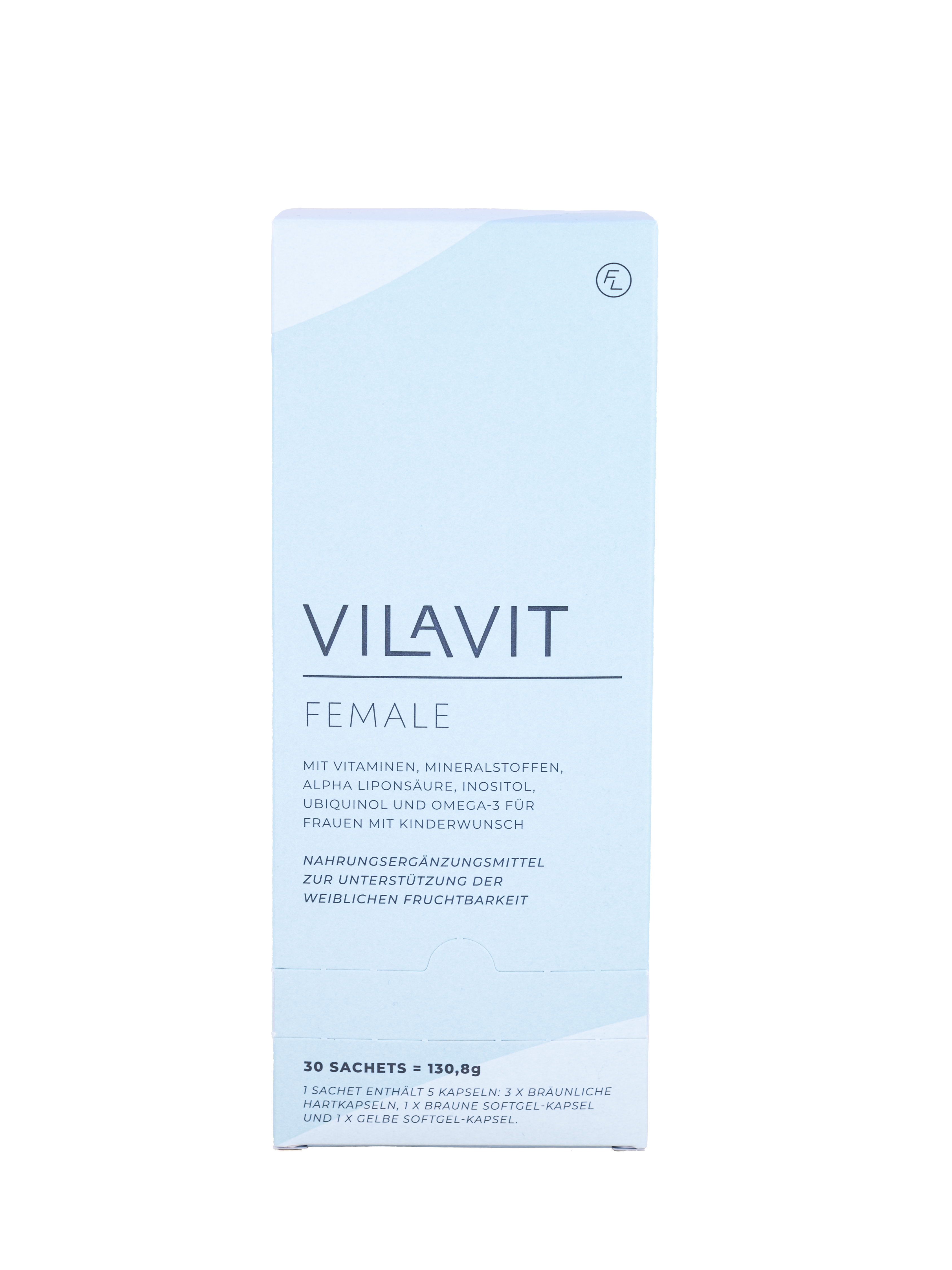
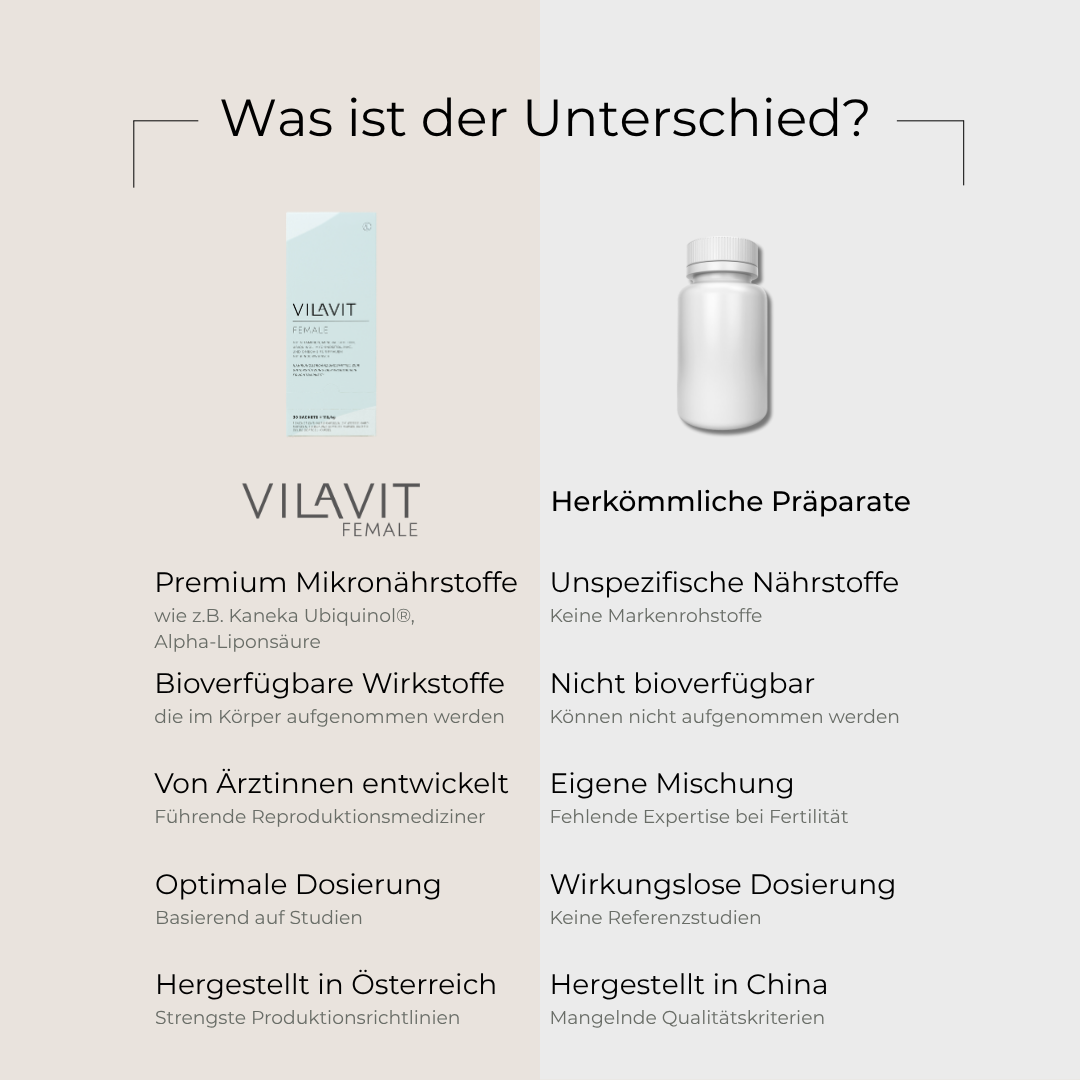
In any case, we’re keeping our fingers crossed for you on your journey to parenthood and would be delighted to support you along the way with VILAVIT Female and VILAVIT Male!
Frequently Asked Questions on the Topic
Is the relatively high number of natural celebrity pregnancies after age 35 realistic?
No. Studies show that media reports about celebrities almost completely omit mention of artificial insemination and medical assistance such as egg donation, even though these are statistically extremely common at an older age.
How much do the chances of success with in vitro fertilization (IVF) decrease with age?
The chances of success with in vitro fertilization are usually significantly overestimated: On average, they’re only about 12% per attempt and continue to decline as the eggs age.
What biological factors make it more difficult to conceive after age 35?
As a woman ages, both the number and quality of her eggs decline. In addition, the rates of aneuploidy (abnormalities in chromosome distribution) increase, oxidative stress rises, and the function of the mitochondria (the cell’s powerhouses) deteriorates.
Does the risk of complications increase with advanced maternal age?
Yes. In pregnancies among women aged 35 and older, complications such as miscarriages, chromosomal abnormalities (e.g., trisomies), preeclampsia, or gestational diabetes occur more frequently, statistically speaking.
How do social media and celebrity stories influence knowledge about fertility?
They often convey a distorted image of unlimited fertility. Studies show that even women undergoing IVF vastly underestimate the age-related decline in fertility due to media role models.
What advice do experts give to older women who are struggling to conceive?
If problems arise, a specialist in reproductive medicine should be consulted as soon as possible. It is also advisable to seek information early on, consider the option of preventive egg freezing (social freezing), and plan for financial reserves.
How long before actively trying to conceive should lifestyle changes be made?
Lifestyle changes and targeted nutrient intake usually take about three months to take effect. Therefore, these adjustments should ideally be made well in advance of actively trying to conceive.
Why do even many healthcare professionals underestimate the risks of late-life pregnancies?
Due to misinformation and ubiquitous media coverage, even healthcare counselors are sometimes influenced by outdated or incomplete narratives, which makes it difficult to provide objective information.
References
- Peterson B. (2019). The Complex Relationship Between Celebrity-Driven Magazines and Depictions of Fertility at Advanced Reproductive Ages. Journal of women's health (2002), 28(10), 1327–1328. https://doi.org/10.1089/jwh.2019.7923
- Ibitoye, O. F., Cyril Vincent, S., Alshdefat, A., & Al Furqani, A. (2026). Social Media Utilization and Its Influence on Maternity Care Decision-Making and Childbirth Experiences among Omani Women. SAGE open nursing, 12, 23779608261478991. https://doi.org/10.1177/23779608261478991
- Mac Dougall, K., Beyene, Y., & Nachtigall, R. D. (2013). Age shock: misperceptions of the impact of age on fertility before and after IVF in women who conceived after age 40. Human reproduction (Oxford, England), 28(2), 350–356. https://doi.org/10.1093/humrep/des409
- Carlson, K., & Sparzak, P. B. (2026). Age-Related Fertility Decline. In StatPearls. StatPearls Publishing.
- Moghadam, A. R. E., Moghadam, M. T., Hemadi, M., & Saki, G. (2022). Oocyte quality and aging. JBRA assisted reproduction, 26(1), 105–122. https://doi.org/10.5935/1518-0557.20210026