


Perimenopause: An Overview
- Perimenopause is the natural transition phase leading up to menopause.
- It typically begins in your 40s, often around your mid-40s, though it can start earlier or later.
- The transition can last for several years and looks different for every woman. A changing menstrual cycle is often a key indicator. Other early signs can include hot flashes, sleep disturbances, brain fog, fatigue, and mood swings.
- Heavy bleeding, new pain, or persistent symptoms should always be evaluated by a doctor.
Identifying Perimenopause: Why the Signs Can Be Hard to Spot
Suddenly you’re sleeping poorly, your mood is shifting, or your cycle feels different than it used to. Many women find themselves wondering: Is it stress, everyday life, or actually perimenopause?The answer isn't always straightforward. This hormonal transition begins gradually and shows up uniquely in every woman.
What Is Perimenopause and When Does It Start?
Perimenopause is the natural transition phase between your fertile years and menopause. It usually begins in your 40s, frequently around your mid-40s, though it can start earlier or later. During this time, hormone levels begin to shift, ovulation becomes irregular, and your menstrual cycle changes. Perimenopause often lasts several years and officially ends twelve months after your final period. Only then, in hindsight, have you reached menopause (Harlow et al., 2012; Santoro, 2016; Gold, 2011).
Identifying Perimenopause: Changes to Your Menstrual Cycle
A changing menstrual cycle is one of the most reliable signs that perimenopause has begun. The early transition phase often starts when the length of consecutive cycles repeatedly varies by at least seven days. In the later phase, you might skip periods for 60 days or more (Harlow et al., 2012).
In daily life, this can look very different from woman to woman. Your period might arrive early or late. Your flow can be heavier, lighter, longer, or shorter. Some women continue to have quite regular periods for a while and notice other symptoms first. Because of this, an unchanged cycle doesn't completely rule out the start of hormonal shifts.
These variations happen because your hormones don't decline in a smooth, straight line. Estrogen and progesterone can fluctuate wildly from one phase to the next, causing symptoms to increase or subside. Some cycles will have ovulation, while others won't. This is also why a single hormone blood test is often just a snapshot in time and must always be evaluated alongside your age, cycle, and overall symptoms (Santoro, 2016).
An Overview of Typical Perimenopause Symptoms
The potential symptoms of perimenopause are diverse. Not every woman experiences all of them, and their intensity can shift over time. Some of the most common signs include:
Hot Flashes and Night Sweats: Sudden waves of heat can occur during the day or night. Night sweats can disrupt sleep and, for some women, persist for several years (Santoro, 2016; Thurston et al., 2011).
Sleep Disturbances: Many women struggle to fall asleep, wake up frequently, or feel unrefreshed in the morning. Besides hot flashes, stress, mood, and other health factors can also impact sleep (Baker et al., 2018).
Fatigue and Low Energy: Poor sleep and hormonal changes can make you feel less resilient, making daily life feel more exhausting.
Mood Swings and Irritability: Emotional shifts may show up as inner restlessness, increased irritability, low mood, or anxiety.
Brain Fog and Concentration Difficulties: Many women report forgetfulness, struggling to find words, or feeling less mentally sharp and focused.
Headaches and Migraines: Hormonal fluctuations can trigger migraines or make existing headaches more frequent.
Heart Palpitations: A rapid or highly noticeable heartbeat can occur during perimenopause. New, severe, or persistent heart symptoms should always be medically investigated.
Muscle and Joint Pain: Stiffness, tension, and muscle or joint aches can increase during this phase of life.
Vaginal Dryness: Changes in mucosal tissues can lead to dryness, irritation, or pain during intercourse.
Changes in Libido: Sex drive can change, influenced by a combination of hormones, sleep, stress, mood, and physical symptoms.
Long-term research shows that the hormonal transition can affect multiple areas of physical and mental health (El Khoudary et al., 2019). However, not every symptom in your 40s is automatically hormonal. Thyroid issues, iron deficiency, sleep apnea, depression, medications, and chronic stress can cause similar symptoms. A medical checkup is always a good idea to rule out other underlying causes.
Hormonal Shifts During Perimenopause
Many women experience good days and bad days, which perfectly matches the sharp hormonal fluctuations of this phase. Estrogen does not decline in a straight line. It can spike higher than before at times, only to drop sharply afterward. At the same time, progesterone levels decrease during cycles without ovulation (Santoro, 2016).
Because of this, symptoms can come and go in phases. A single month of poor sleep or heavy bleeding tells you very little about how the next few months will go. The duration of perimenopause is highly individual as well—some women transition quickly, while others navigate it over several years. The average age for the final period is around 51, but your personal timeline may vary significantly (Santoro, 2016).
Tracking Your Symptoms with a Diary
Keeping a brief journal for eight to twelve weeks can be incredibly helpful. Note the start and intensity of your bleeding, sleep quality, hot flashes, mood, energy levels, headaches, and any major stressors. This helps reveal patterns that are easily forgotten in hindsight.
These observations are often far more valuable for your gynecologist or doctor than relying on your memory of a few bad days. They also make it easier to realistically track whether changes in diet, exercise, or medical treatments are actually working.
Perimenopause: When Should You Consult a Doctor?
A medical consultation is highly recommended if your symptoms significantly impact your daily life, work, sleep, or overall quality of life. Very heavy bleeding, bleeding between periods, or experiencing symptoms before the age of 40 should also be medically evaluated. The same applies to persistent low mood, severe anxiety, or heart palpitations.
Perimenopause is usually diagnosed based on your symptoms and cycle patterns. While laboratory tests can sometimes offer additional insights, hormonal fluctuations mean they don't always provide a definitive answer (Santoro, 2016). Your doctor can help you explore personalized options, ranging from lifestyle adjustments and non-hormonal options like dietary supplements to hormone replacement therapy (HRT) for certain women.
Identifying Perimenopause: Key Takeaways
Perimenopause rarely starts with a single, obvious sign. While cycle changes are a primary indicator, sleep issues, hot flashes, brain fog, mood swings, and fatigue can also show up early. What matters most is the overall picture over several weeks or months.
By paying attention to these changes and seeking medical advice for distressing or unusual symptoms, you can navigate this phase of life with much more confidence. Perimenopause is a natural transition, but you don't just have to "tough it out." Awareness, a healthy lifestyle, and targeted support like dietary supplements can go a long way in preserving your quality of life.
FAQ: Frequently Asked Questions
At what age does perimenopause begin?
Perimenopause often begins in your 40s, but it can start earlier or later. Your age is only one piece of the puzzle; changes in your cycle and the appearance of typical symptoms are much more telling.
Is an irregular cycle always the first sign?
No. While cycle changes are a typical and important indicator, they are not always the first thing women notice. Other symptoms like sleep issues, hot flashes, mood swings, or brain fog can also appear as early signs.
Can a hormone test definitively confirm perimenopause?
A single hormone blood test often doesn't give a clear answer because estrogen and other hormones fluctuate dramatically during this phase. Instead, doctors usually evaluate your symptoms, age, and cycle history together.
When should I seek medical advice?
You should see a doctor if your symptoms are significantly impacting your daily life. Very heavy bleeding, spotting between periods, heart palpitations, or experiencing symptoms before age 40 should also be medically evaluated.
How long does perimenopause last?
The duration is highly individual. For some women, the transition is relatively quick, while for others, it takes several years. It officially ends twelve months after your final menstrual period.
What can I do to ease perimenopause symptoms?
The best approach depends on your specific symptoms and personal health profile. Regular exercise, a balanced diet, quality sleep, stress management, and limiting alcohol and caffeine can significantly boost your well-being and ease symptoms.
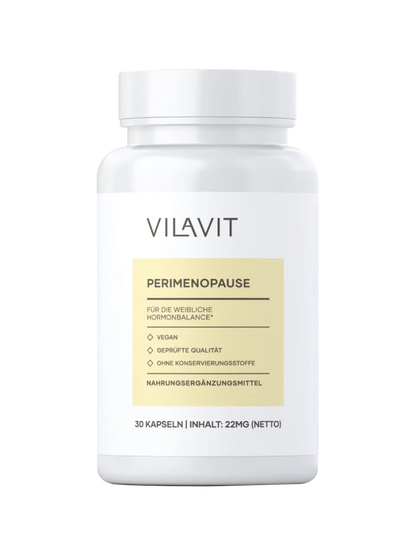
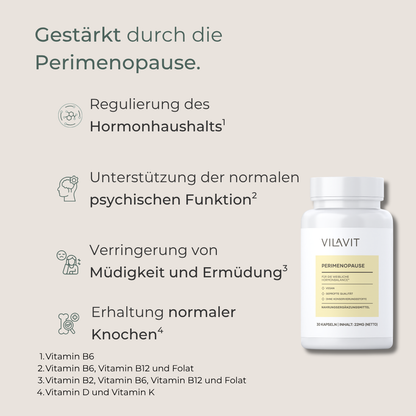
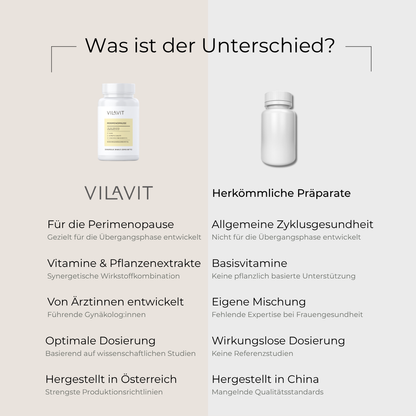
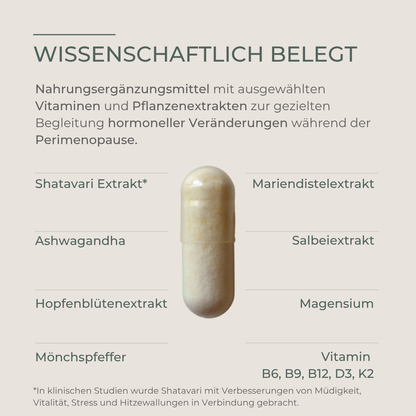
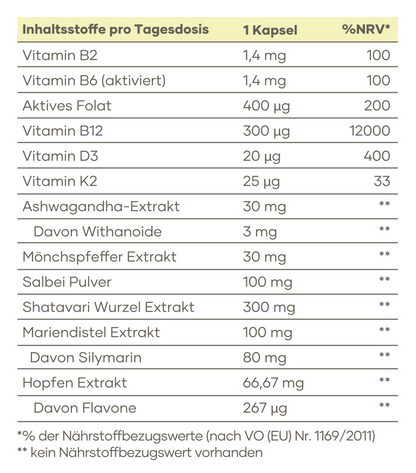
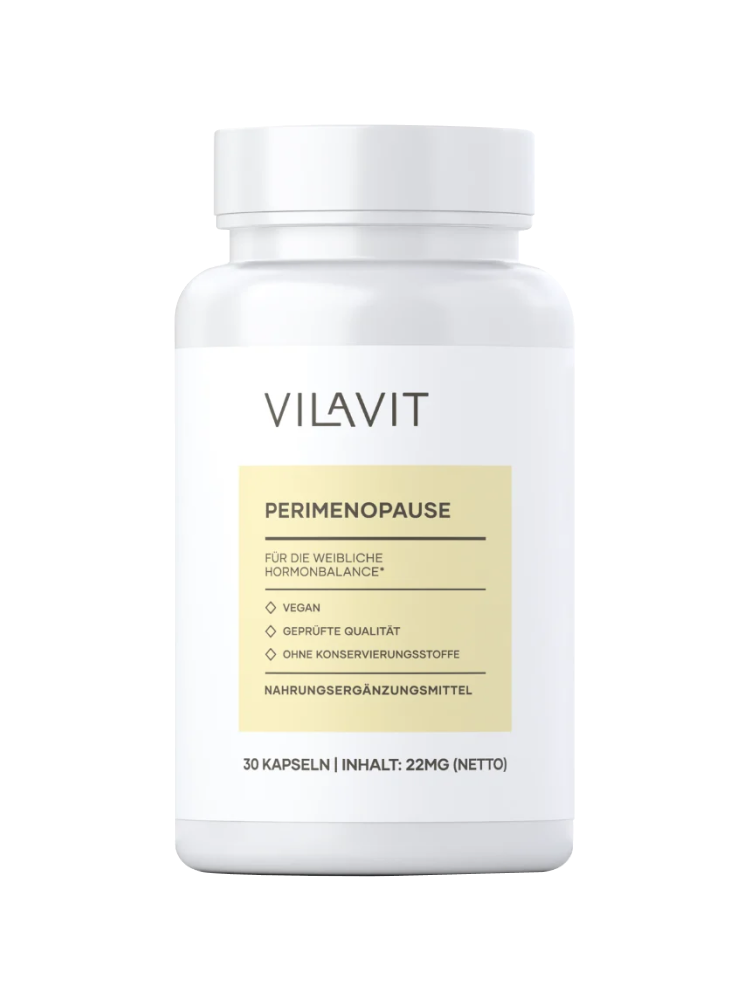
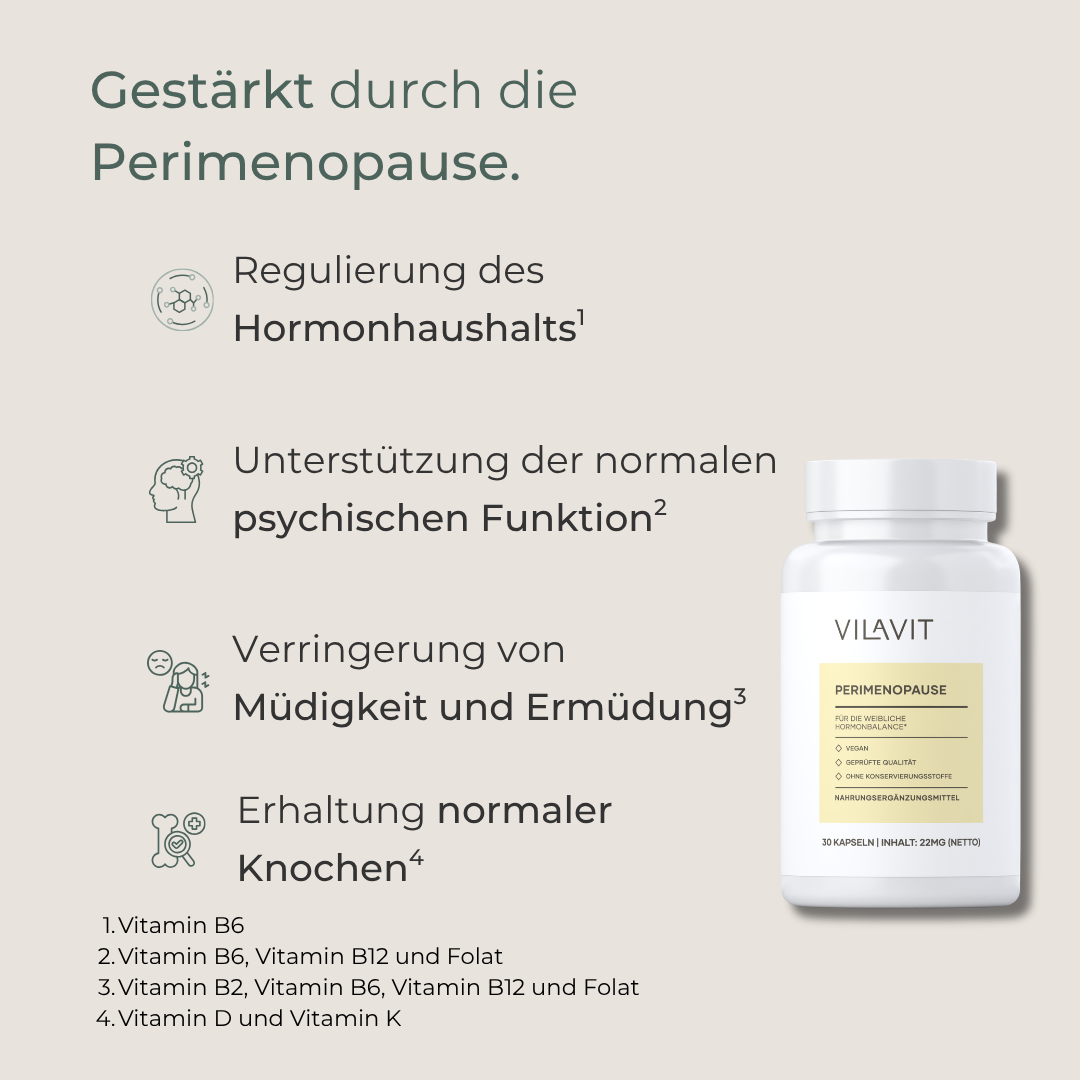
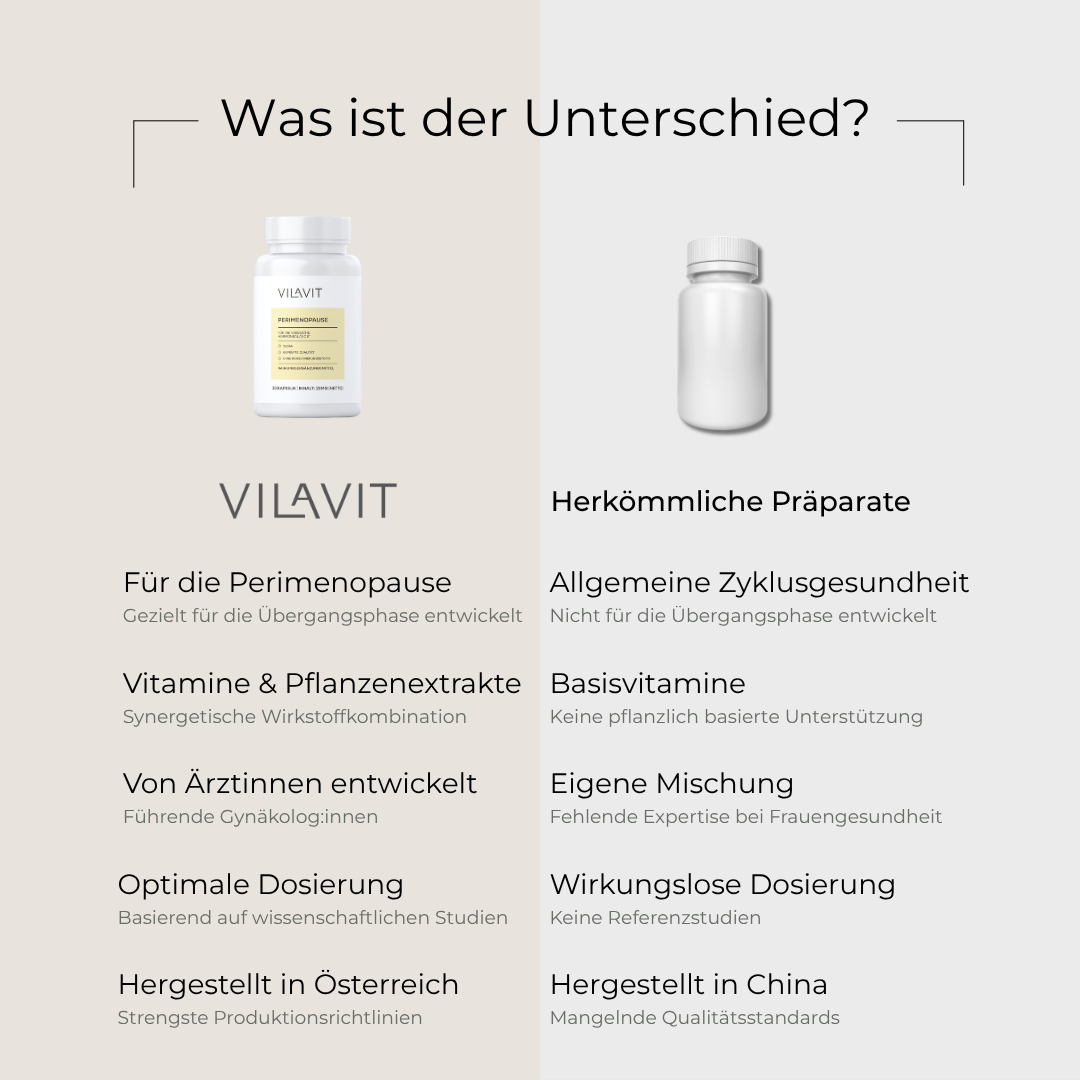
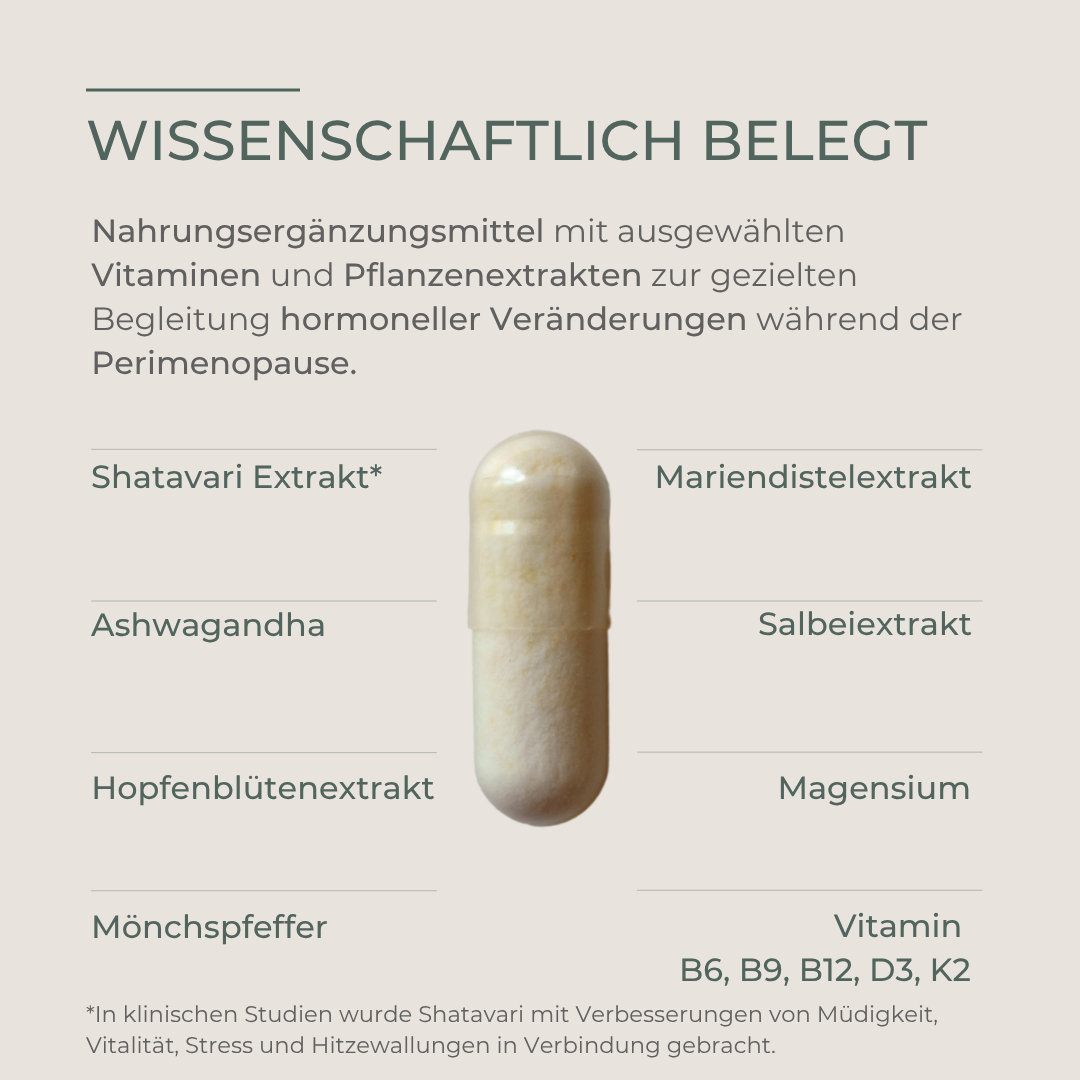
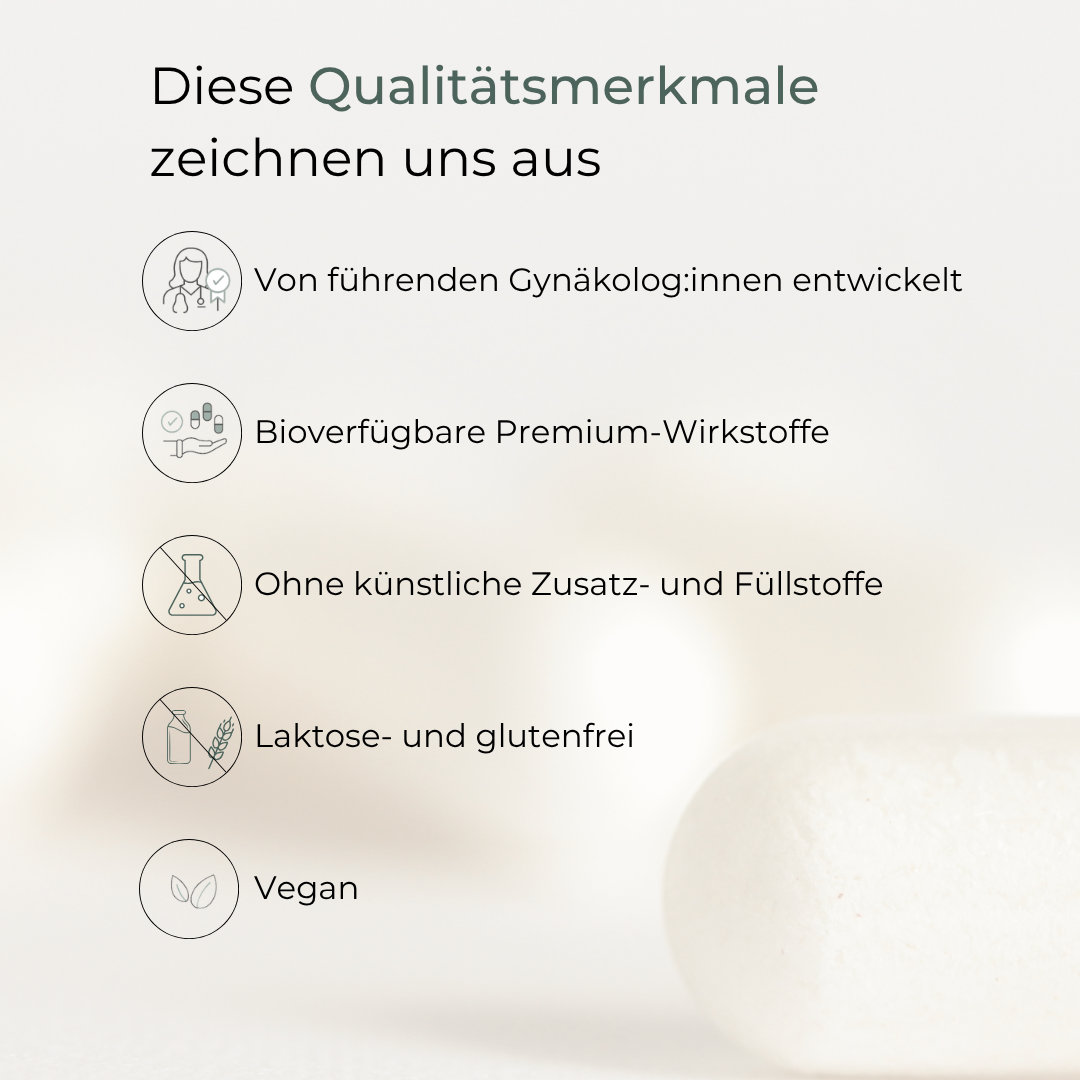
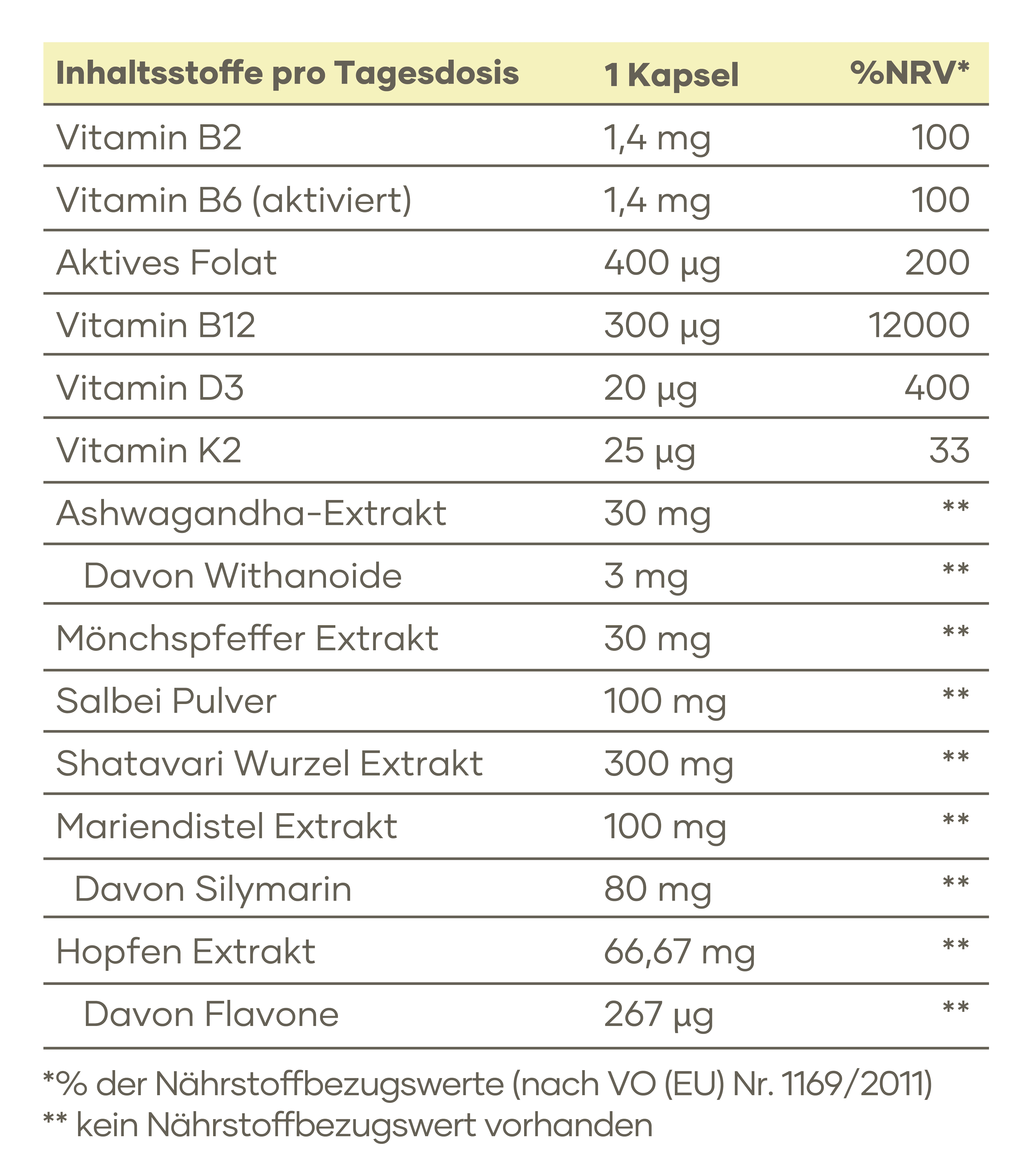
VILAVIT Perimenopause can support your hormonal balance as a daily supplement featuring selected vitamins and botanical extracts.
When experiencing vaginal dryness moisturizers, lubricants, or localized estrogen (prescribed by a doctor) can offer relief. For more severe symptoms, menopause-specific cognitive behavioral therapy (CBT), non-hormonal medications, and tailored hormone replacement therapy (HRT) are available. Always discuss the benefits, risks, and best options for you with your gynecologist (NICE, 2026; NHS, 2026; ACOG, 2024).
Scientific sources and direct links
Harlow et al. (2012). Executive summary of the Stages of Reproductive Aging Workshop + 10. Menopause. https://pmc.ncbi.nlm.nih.gov/articles/PMC3340903/
Santoro (2016). Perimenopause: From Research to Practice. Journal of Women’s Health. https://pmc.ncbi.nlm.nih.gov/articles/PMC4834516/
Baker et al. (2018). Sleep and sleep disorders in the menopausal transition. Sleep Medicine Clinics. https://pmc.ncbi.nlm.nih.gov/articles/PMC6092036/
Thurston et al. (2011). Vasomotor Symptoms and Menopause: Findings from the Study of Women’s Health Across the Nation. https://pmc.ncbi.nlm.nih.gov/articles/PMC3185243/
El Khoudary et al. (2019). The menopause transition and women’s health at midlife: a progress report from SWAN. Menopause. https://pmc.ncbi.nlm.nih.gov/articles/PMC6784846/
Gold (2011). The Timing of the Age at Which Natural Menopause Occurs. Obstetrics and Gynecology Clinics of North America. https://pmc.ncbi.nlm.nih.gov/articles/PMC3285482/
NICE (2026). Menopause: identification and management. Guideline NG23, last updated 15 April 2026. https://www.nice.org.uk/guidance/ng23/chapter/recommendations
NHS (2026). Treatment for menopause and perimenopause. Last reviewed 19 May 2026. https://www.nhs.uk/conditions/menopause-and-perimenopause/treatment/
American College of Obstetricians and Gynecologists, ACOG (2024). Hormone Therapy for Menopause. Last reviewed February 2024. https://www.acog.org/womens-health/faqs/hormone-therapy-for-menopause
Note: This article is for general informational purposes only and does not substitute for a professional medical diagnosis or personalised medical advice. If you experience severe, new, or persistent symptoms, please consult a doctor.