


- Hot flashes are, unfortunately, a very common symptom and affect about 80% of all people going through perimenopause.
- The cause may be a change in the body’s thermoregulation.
- Lifestyle changes and targeted supplementation with plant-based active ingredients can provide relief.
Sudden hot flashes, sweating spells, or tremors are unfortunately not uncommon during perimenopause and may indicate changes in your body. However, since these so-called vasomotor symptoms are anything but pleasant, we’d like to take a closer look at what causes these problems and how you can manage them.
The cause of hot flashes
For a long time, fluctuations in estrogen levels during perimenopause were considered the trigger for hot flashes and sweating episodes. However, it is now clear that estrogen alone cannot be the cause of these symptoms. It’s possible that your body’s thermoregulation also changes during perimenopause. Thermoregulation is responsible not only for your perception of heat but also for sweating, shivering, and similar responses. Scientists currently believe that the range of temperatures you perceive as “comfortable” narrows during perimenopause, making it easier for you to feel hot or, conversely, cold. Ultimately, however, it has not yet been conclusively determined to what extent various factors contribute to the onset of these unpleasant hot flashes (Jamal, S., et al., 2026).
Am I the only one experiencing hot flashes?
The simplest answer is: No! In Europe, approximately 70–85% of menopausal women surveyed suffer from hot flashes. Interestingly, the prevalence of these same symptoms among women in Japan and China is around 8–17%. Experts attribute this significant difference to the typical dietary patterns prevalent in these regions. Compared to Europe, diets in Japan and China include not only more vegetables but also, for example, more soy. You’ll find out exactly why soy plays such a crucial role here! (Kheirkhah, M., et al., 2018)
So while you can rest assured that you’re not alone in experiencing these symptoms, hot flashes and related issues are unfortunately among the most distressing symptoms of menopause. Although these symptoms often begin as early as perimenopause, they can sometimes persist for up to 15 years after the onset of menopause (Kheirkhah, M., et al., 2018).
Risk factors for hot flashes
Unfortunately, there are certain factors that can increase your risk of experiencing hot flashes. One important factor—which you can have checked through a blood test—is your insulin levels. If you have elevated insulin levels, you may be at risk of experiencing vasomotor symptoms, such as sweating and tremors, that begin earlier and last longer. These findings come from a study that examined women aged 47. However, these findings can likely be applied to younger individuals as well. Even if you do not suffer from hot flashes and sweating, you should be alert to elevated insulin levels, as they can increase the risk of developing diabetes (Athar, F., et al., 2026).
In addition to elevated insulin levels, a high BMI (Body Mass Index) can also influence the frequency of hot flashes. It’s important to note, however, that a high BMI can also be caused by high bone density or a high percentage of muscle mass—so if in doubt, seek medical advice and make sure any weight loss you undertake remains within a healthy range (Jamal, S., et al., 2026).
Other risk factors for sweating episodes and similar symptoms include smoking, PMS, and warm ambient temperatures. While the first is within your control, and PMS can at least be alleviated, the climate is unfortunately difficult to influence (Jamal, S., et al., 2026).
Treatment methods for hot flashes
Medication
During menopause, hormone replacement therapy (HRT) may be an option for some people; this therapy is intended to artificially replace the hormones that are no longer produced during menopause. However, these medications are rarely used during perimenopause, as hormone levels typically fluctuate too much at that stage. Furthermore, hormone replacement therapy unfortunately leads to an increased risk of certain types of cancer and an increased risk of cardiovascular conditions. However, HRT can be effective against hot flashes as well as many other symptoms of menopause (Erdélyi, A., et al., 2023).
Similarly, during menopause (not perimenopause), neurokinin receptor antagonists can be used as a treatment and are just as effective in alleviating various menopausal symptoms, such as hot flashes (Jamal, S., et al., 2026).
Generally, however, neither of these treatment options is used during perimenopause. For this reason, we’d like to introduce you to a few other treatment options that you can use as early as perimenopause.
Non-Pharmacological therapies
Some studies report that regular exercise can reduce the frequency and intensity of hot flashes, thereby improving the quality of life for those affected (Erdélyi, A., et al., 2023). Some researchers attribute particularly positive effects to yoga in relation to hot flashes. Overall, this form of exercise is said to have a more beneficial effect on symptoms than other sports that have been studied (Jamal, S., et al., 2026).
Acupuncture also appears to reduce hot flashes and sweating in certain individuals, which can help alleviate sleep disturbances. However, further studies are needed on treatment with acupuncture. According to experts, however, no negative effects are expected (Erdélyi, A., et al., 2023).
Cognitive behavioral therapy can also reduce symptoms such as hot flashes, sweating, and tremors (Jamal, S., et al., 2026).
According to studies, in cases of (severe) overweight or obesity, losing five kilograms can reduce hot flashes by 30%. Of course, it is important to note that weight loss should always occur within a healthy range (Erdélyi, A., et al., 2023).
Supplementation and nutrition as a treatment option
At the beginning of this article, we noted that in countries with higher soy consumption, there are fewer reports of hot flashes. The explanation for this is that soy contains phytoestrogens—plant compounds that are similar to human estrogen. Although they are significantly weaker than the body’s own estrogen, they can help alleviate symptoms, particularly during perimenopause (Erdélyi, A., et al., 2023).
Targeted supplementation can also help alleviate symptoms: In one study, the percentage of participants suffering from hot flashes was reduced from 100% at the start of the study to 7% after 60 days! Supplements should therefore by no means be overlooked and can help you take a holistic approach to relieving symptoms (Choudhury, R., et al., 2025).
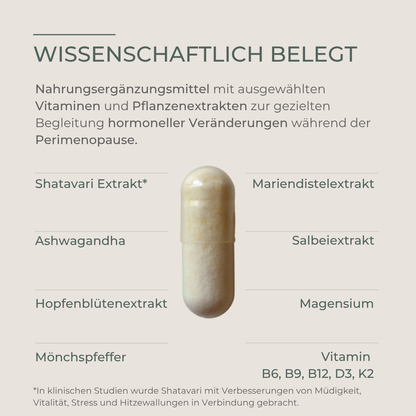
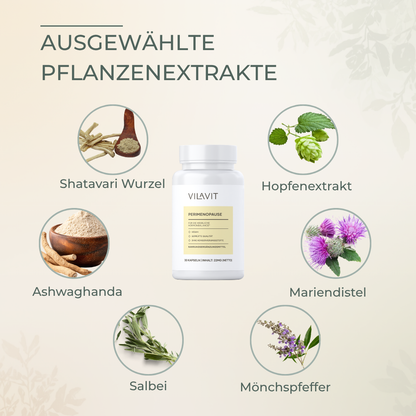
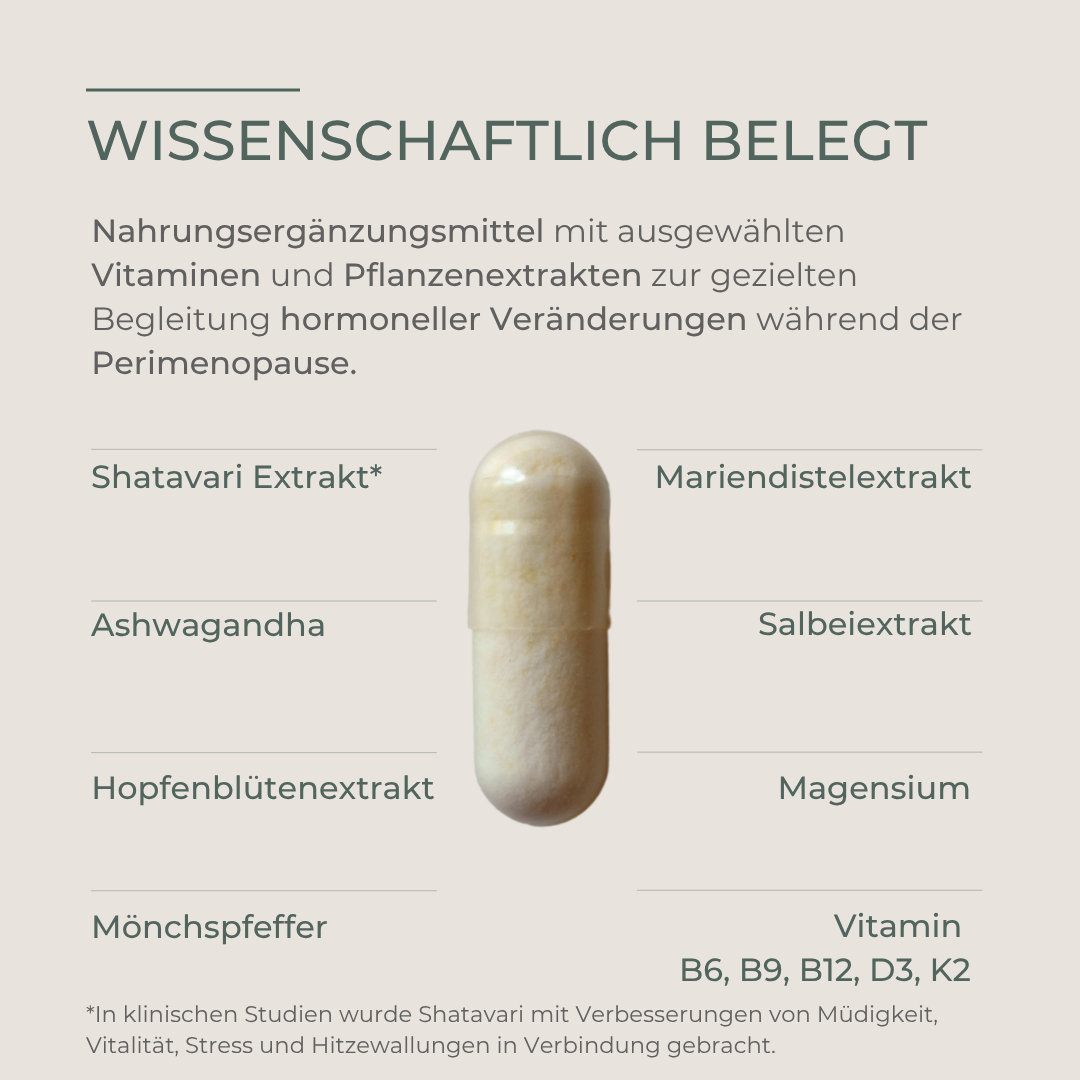
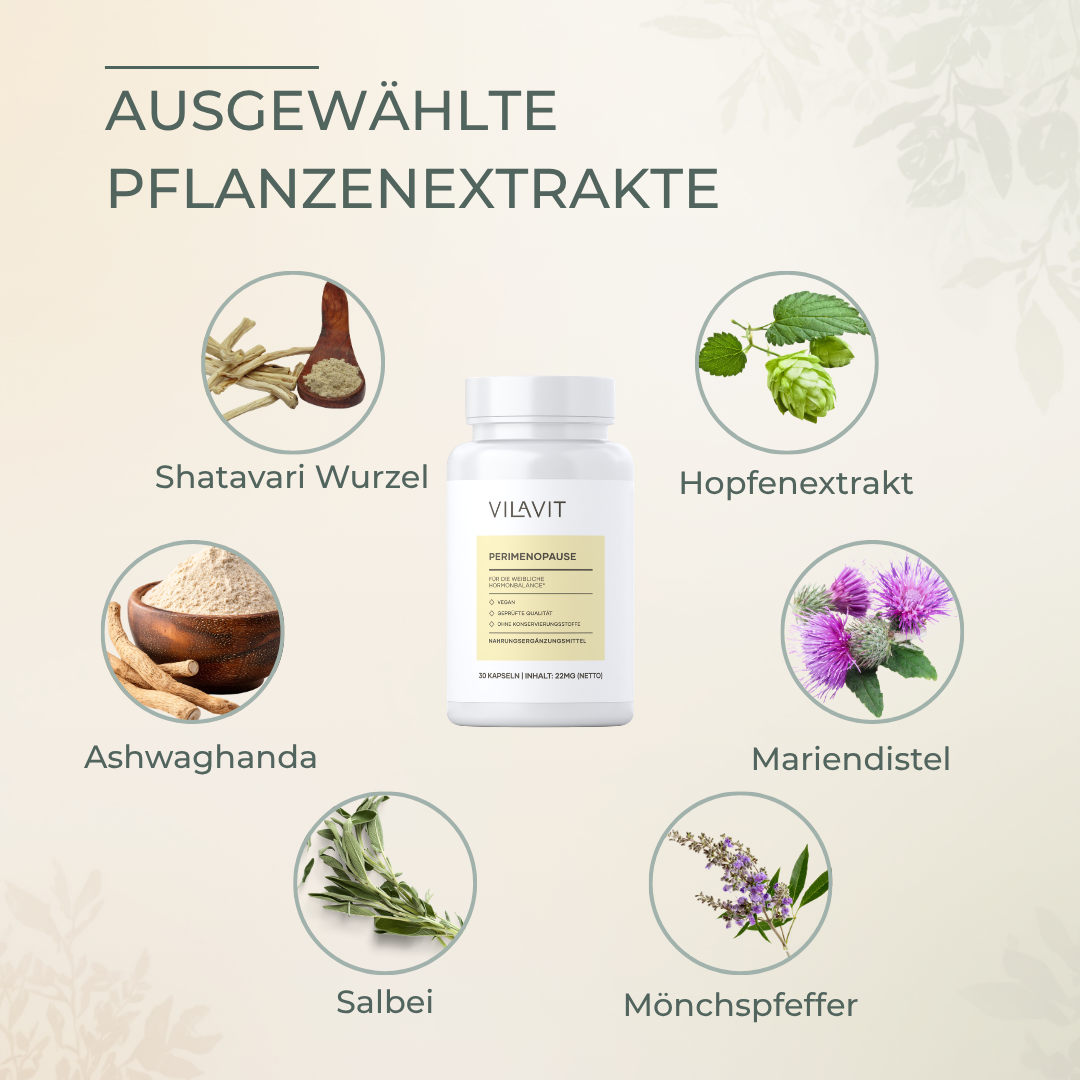
Three herbal ingredients in particular are considered to be well-researched and effective against hot flashes and related symptoms: sage, chasteberry, and ashwagandha. All three significantly reduce vasomotor symptoms such as hot flashes and sweating and are considered therapeutically recognized remedies (De Franciscis, P., et al., 2019; Naseri, R., et al., 2019; Jamal, S., et al., 2026).
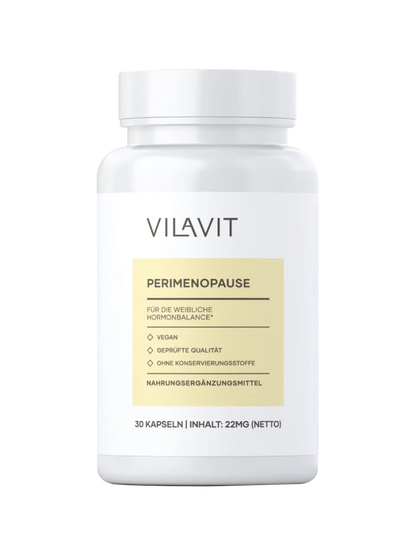
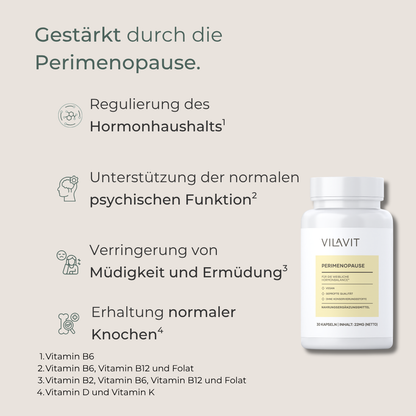
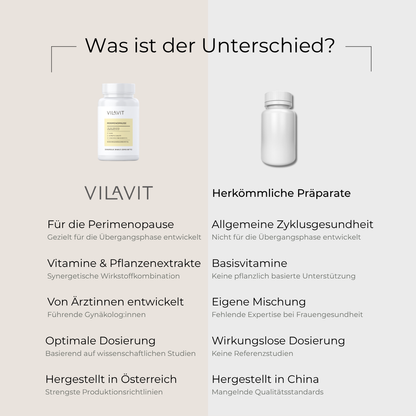
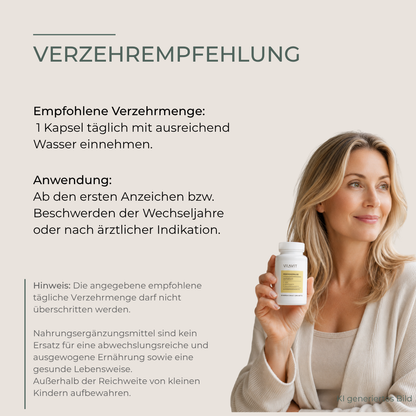
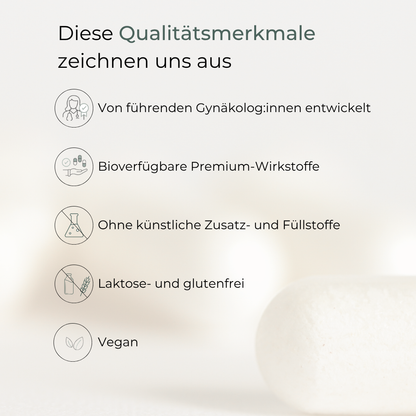
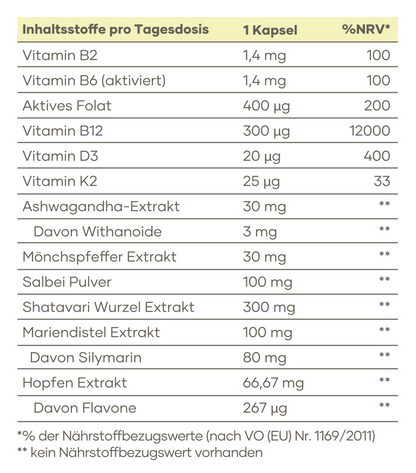
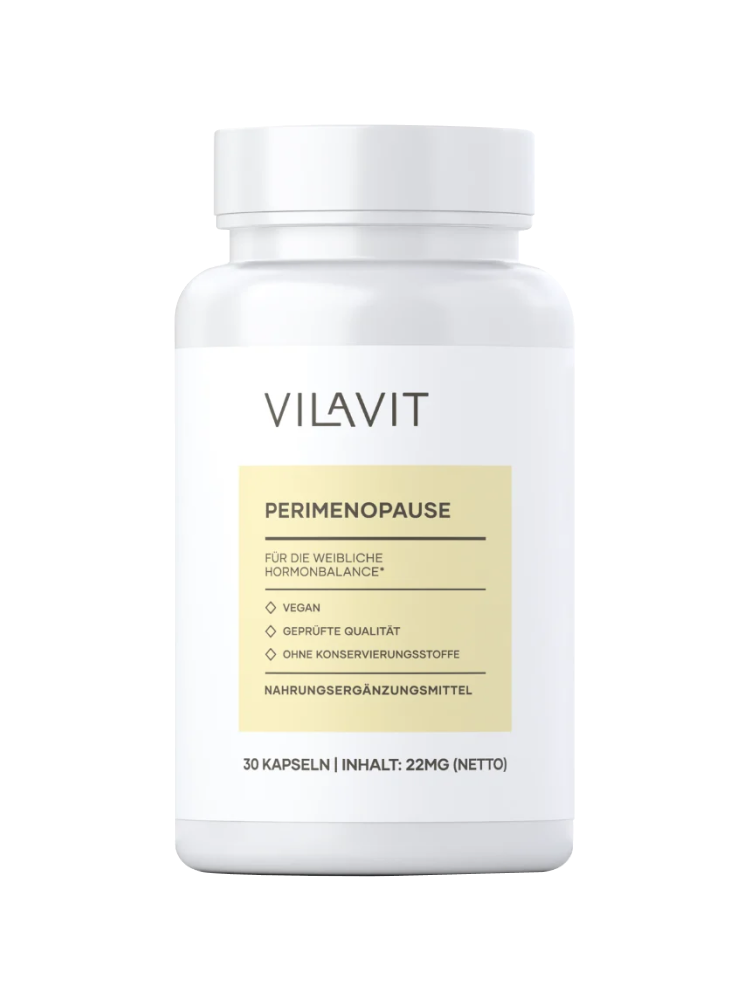
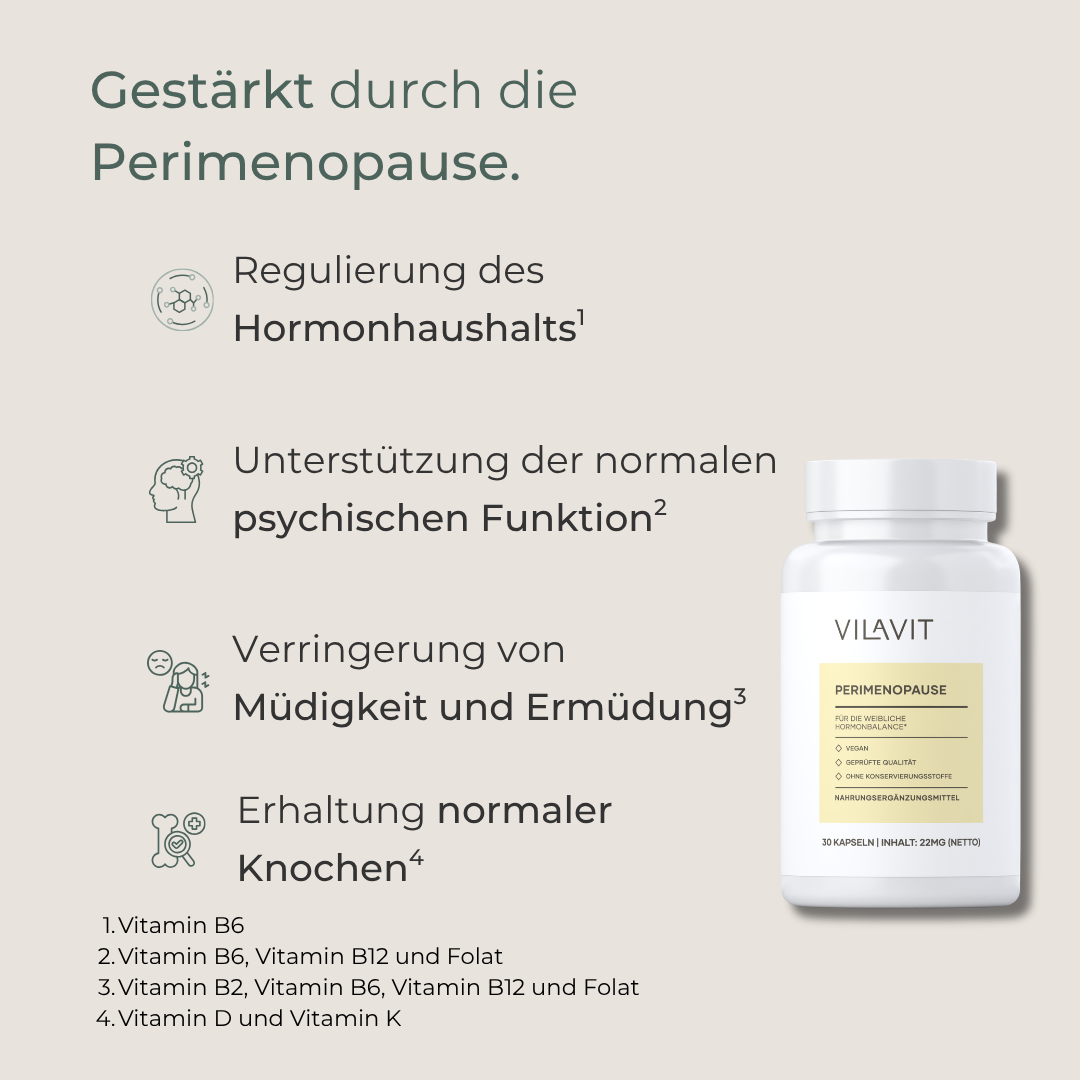
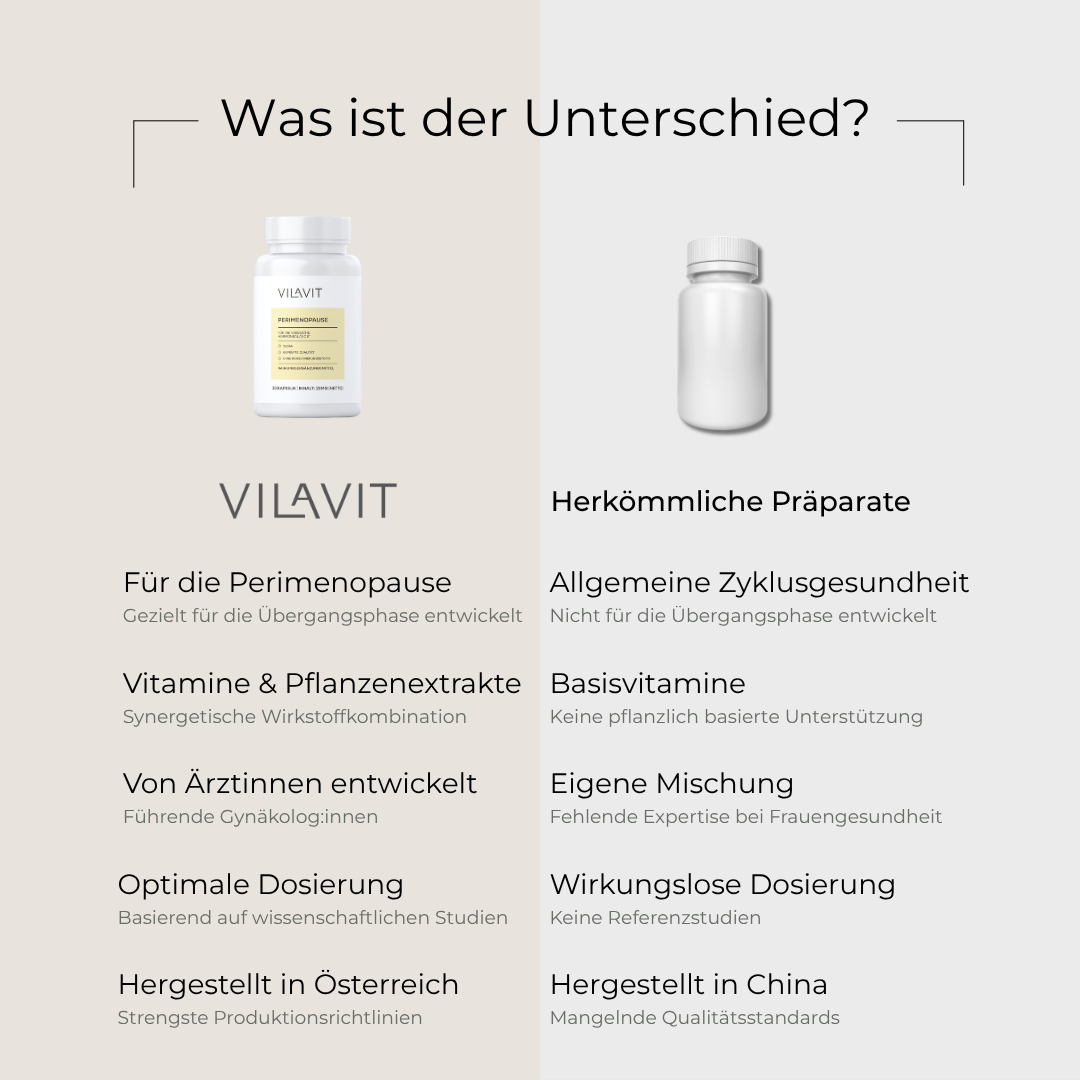
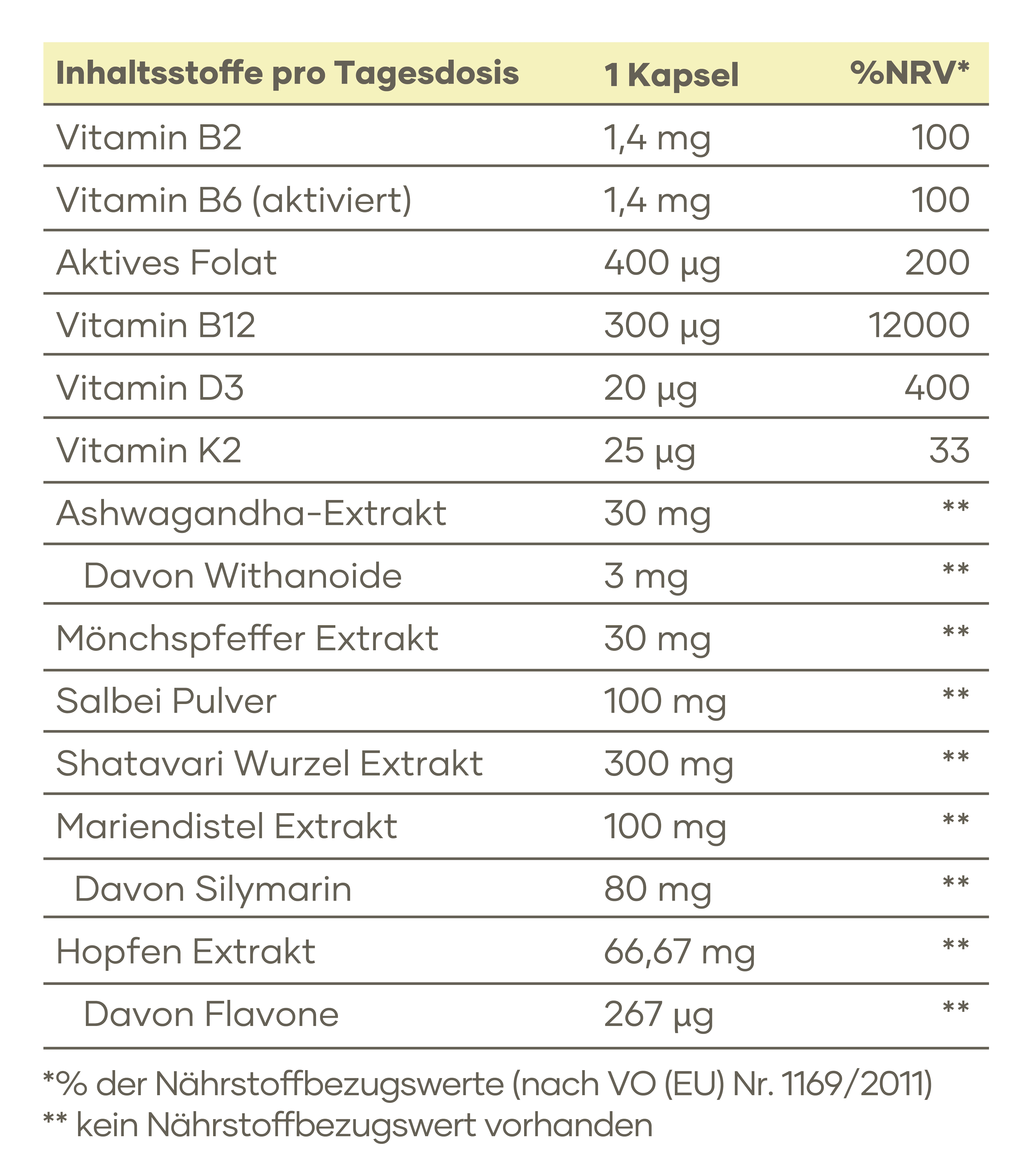
Especially for mild to moderate symptoms—or even before medication can be effectively used—these supplements and lifestyle adjustments can offer a pleasant alternative for reducing your symptoms. If you want to make your life particularly easy and comfortable, we highly recommend VILAVIT Perimenopause. In addition to sage, chasteberry, and ashwagandha, this formula contains other valuable ingredients that can help ease the hormonal transition and make it more manageable.
Frequently asked questions on the topic
Why do I experience hot flashes during perimenopause?
For a long time, it was thought that fluctuations in estrogen levels alone were to blame. Today we know that your thermoregulation changes. The range that your body perceives as a “comfortable temperature” narrows during perimenopause. As a result, you’ll feel too hot or too cold much more quickly.
How long can these hot flashes last?
Unfortunately, hot flashes are among the most distressing symptoms. They often begin as early as perimenopause. In the worst cases, they can persist for up to 15 years after the actual onset of menopause.
What factors make the symptoms worse?
Elevated insulin levels or a high BMI (Body Mass Index) can increase the frequency of hot flashes. But your lifestyle also plays a role: smoking, warm ambient temperatures, and pre-existing PMS (premenstrual syndrome) are considered clear risk factors.
Why are medications like hormone therapy hardly effective during perimenopause?
Hormone replacement therapy (HRT) or neurokin receptor antagonists are generally not used during perimenopause. Your hormone levels simply fluctuate too much during this phase. In addition, HRT carries risks for certain types of cancer and cardiovascular conditions.
Which herbal remedies and supplements alleviate the symptoms?
Soy helps thanks to its hormone-like phytoestrogens. Sage, chasteberry, and ashwagandha are also recognized as therapeutic and particularly well-studied remedies for hot flashes. High-quality combination supplements like VILAVIT Perimenopause combine these ingredients and help your body navigate the hormonal transition.
References
- Jamal, S., Elsabagh, A., Wani, L., & Issa, M. (2026). Hot flashes: a review. Frontiers in medicine, 13, 1833603. https://doi.org/10.3389/fmed.2026.1833603
- Kheirkhah, M., Naieri, S. D., & Tabari, N. S. (2018). The effect of herbal tea capsule on menopause hot flashes. Journal of family medicine and primary care, 7(5), 1074–1078. https://doi.org/10.4103/jfmpc.jfmpc_332_17
- Athar, F., Gregory, S., Houston, E. J., & Templeman, N. M. (2026). Insulin Levels Early in Perimenopause Inform Vasomotor Symptom Incidence Across the Menopausal Transition. The Journal of clinical endocrinology and metabolism, 111(6), e1544–e1553. https://doi.org/10.1210/clinem/dgaf699
- Erdélyi, A., Pálfi, E., Tűű, L., Nas, K., Szűcs, Z., Török, M., Jakab, A., & Várbíró, S. (2023). The Importance of Nutrition in Menopause and Perimenopause-A Review. Nutrients, 16(1), 27. https://doi.org/10.3390/nu16010027
- Choudhury, R., Coelho, K., Suryawanshi, S., Hajare, A., & Kumar, A. (2025). Effectiveness of Multisymptom Support for Better Relief and Alleviation of Common Effects in Perimenopause (EMBRACE PERIMENOPAUSE). Cureus, 17(6), e86091. https://doi.org/10.7759/cureus.86091
- De Franciscis, P., Colacurci, N., Riemma, G., Conte, A., Pittana, E., Guida, M., & Schiattarella, A. (2019). A Nutraceutical Approach to Menopausal Complaints. Medicina (Kaunas, Lithuania), 55(9), 544. https://doi.org/10.3390/medicina55090544
- Naseri, R., Farnia, V., Yazdchi, K., Alikhani, M., Basanj, B., & Salemi, S. (2019). Comparison of Vitex agnus-castus Extracts with Placebo in Reducing Menopausal Symptoms: A Randomized Double-Blind Study. Korean journal of family medicine, 40(6), 362–367. https://doi.org/10.4082/kjfm.18.0067