

Die besten Vitamine und Nährstoffe in der Perimenopause

The Best Vitamins and Nutrients for Perimenopause

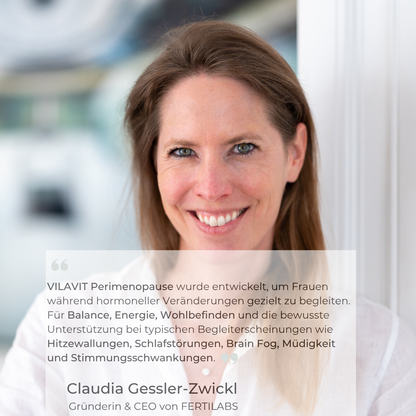
Author Image

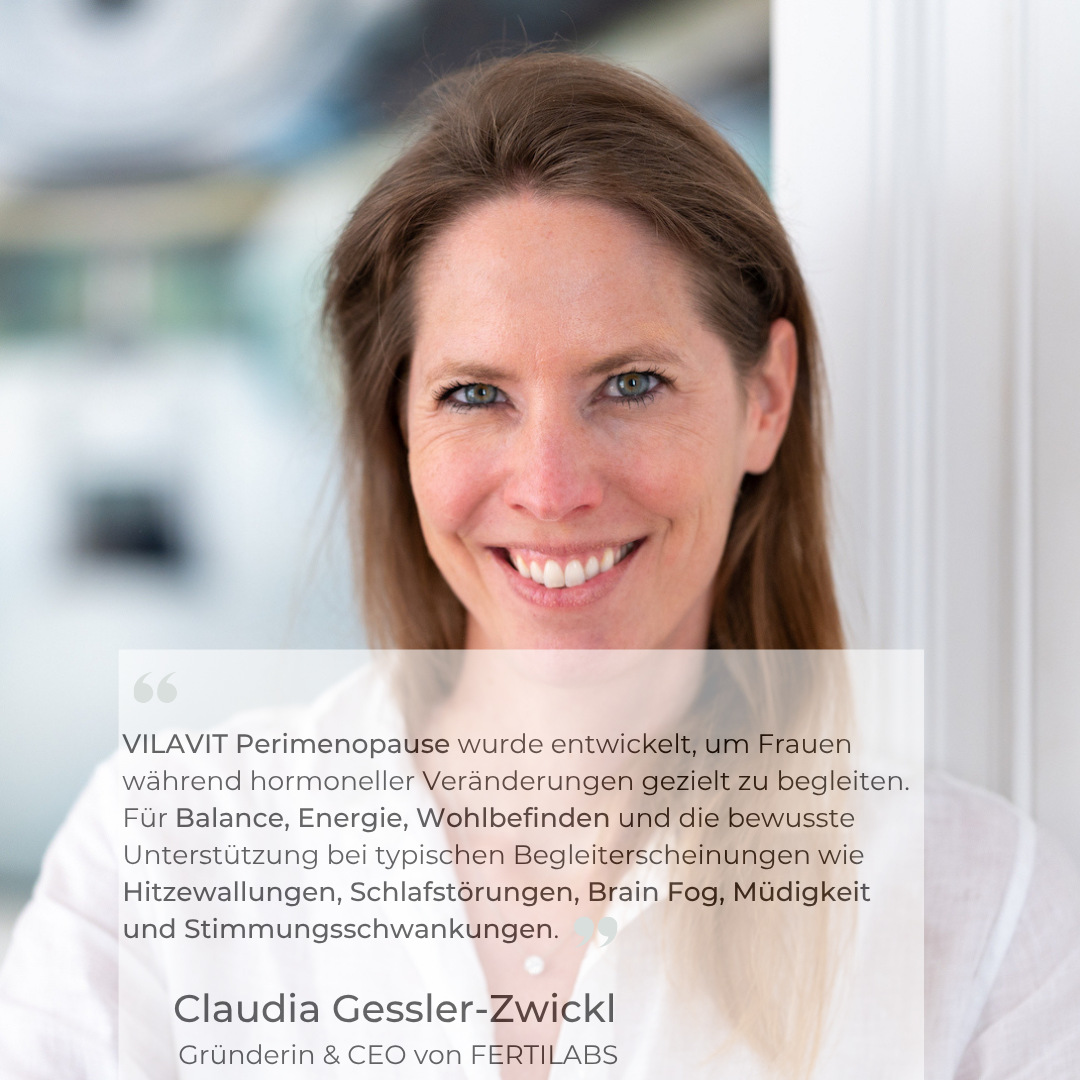
Claudia Gessler-Zwickl is the founder of FERTILABS. As a former fertility patient, she advocates for micronutrient therapy to improve the fertility of others facing similar challenges. As a woman, however, she is also deeply committed to women’s well-being after their reproductive years. Working closely with leading gynecologists, she therefore developed VILAVIT Perimenopause to provide women with optimal support during this time of hormonal changes. 

Changes During Perimenopause

Vitamin D for Healthy Bones and Muscles

Calcium and Vitamin K for Bone Health

B Vitamins for Energy, the Nervous System, and Hormonal Balance

Selected Botanical Extracts for Perimenopause

Protein for Maintaining Muscle Mass

Do You Need Iron?

How to find the right supplement

Key Takeaways

  • During perimenopause, hormonal changes affect your energy levels, sleep, bone metabolism, and emotional well-being. This makes an adequate intake of essential nutrients more important than ever.
  • Vitamin D, calcium, B vitamins, and protein play an important role in maintaining healthy bones and muscles, supporting energy metabolism and promoting normal psychological function.
  • A high-quality dietary supplement can be a valuable addition to your daily routine, helping you obtain key vitamins, minerals, and plant extracts in reliable and well-balanced amounts.
  • A synergistic combination of nutrients and botanical extracts can support the body during hormonal changes and help improve common symptoms of perimenopause, including fatigue, brain fog, hot flashes, sleep problems, stress, and mood swings.

Changes During Perimenopause

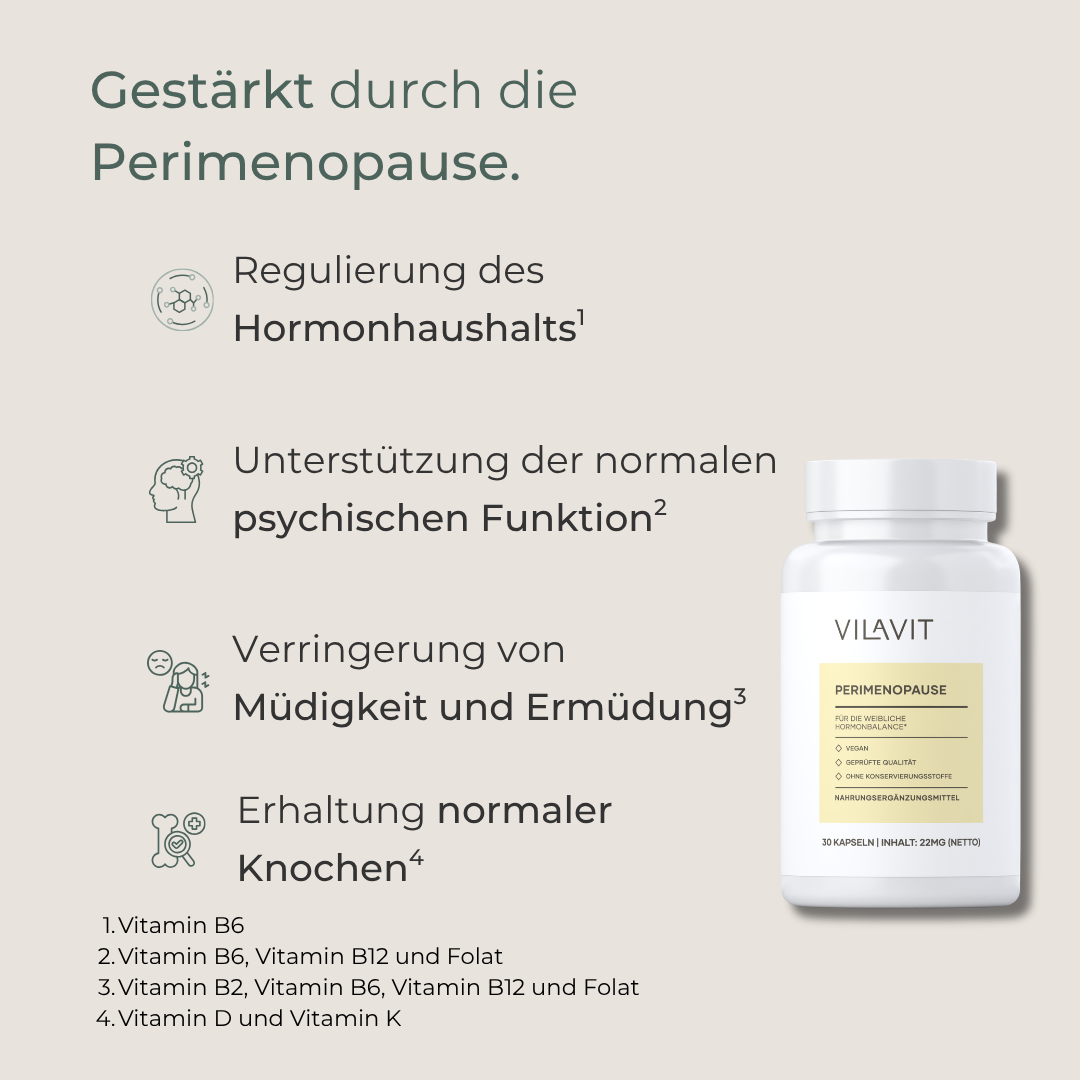
As hormone levels gradually change during perimenopause, many areas of the body are affected. Women commonly experience symptoms such as fatigue, sleep disturbances, brain fog, difficulty finding words, mood swings, hot flashes, and changes related to bone health, muscle function, and metabolism.

Providing the body with selected vitamins, minerals, and botanical extracts can be a valuable part of daily self-care during this time. These nutrients support the body throughout hormonal changes while complementing a balanced diet. Research especially highlights the importance of vitamin D, calcium, B vitamins, protein, and carefully selected plant extracts as part of a healthy lifestyle (Erdélyi et al., 2023; Wylenzek et al., 2024).

Vitamin D for Healthy Bones and Muscles

As estrogen levels decline with age, maintaining healthy bones becomes increasingly important. Vitamin D contributes to the maintenance of normal bones and normal muscle function. It also supports the absorption and utilization of calcium. Studies involving peri- and postmenopausal women have shown that only a small number of women achieve optimal vitamin D levels, suggesting that vitamin D insufficiency is common in this age group (Wylenzek et al., 2024).

Calcium and Vitamin K for Bone Health

Calcium is a key factor for healthy bones. Good calcium sources include dairy products, calcium-rich mineral water, green leafy vegetables, legumes and fortified foods. Vitamin K also contributes to the maintenance of normal bones. Together with adequate nutrient intake, strength training and regular physical activity, these nutrients play an essential role in supporting long-term skeletal health.

Recent reviews suggest that both vitamin D and vitamin K are involved in multiple processes related to bone and cardiovascular health (Rusu et al., 2024). Ensuring sufficient intake of these nutrients may therefore be especially important when diet, sun exposure or lifestyle factors do not fully meet individual needs.

B Vitamins for Energy, the Nervous System, and Hormonal Balance

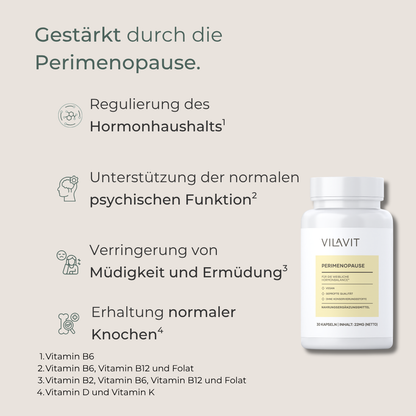
Many women experience fatigue, reduced resilience, brain fog, restlessness or mood changes during perimenopause. B vitamins play an essential role in supporting energy metabolism, nervous system and psychological well-being.

Vitamin B2, vitamin B6, vitamin B12 and folate contribute to normal energy metabolism and help reduce tiredness and fatigue. Vitamin B6, vitamin B12 and folate also contribute to normal psychological function. Vitamin B6 is particularly relevant during perimenopause because it contributes to the regulation of hormonal activity (European Commission, 2012).

For this reason, ensuring an adequate intake of B vitamins can be a valuable part of daily nutritional support during hormonal changes. High-quality nutrient forms, carefully balanced formulations and appropriate dosages are key to meeting the specific needs of this stage of life.
Selected Botanical Extracts for Perimenopause

In addition to vitamins and micronutrients, selected botanical extracts can play an important role in supporting women throughout perimenopause. They may help promote emotional balance, improve resilience to stress, support better sleep, and address common concerns such as hot flashes, changes in the menstrual cycle, low energy, and overall well-being.

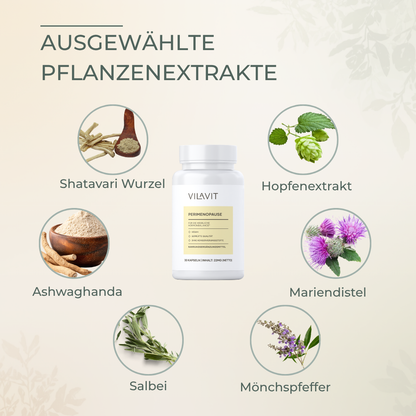
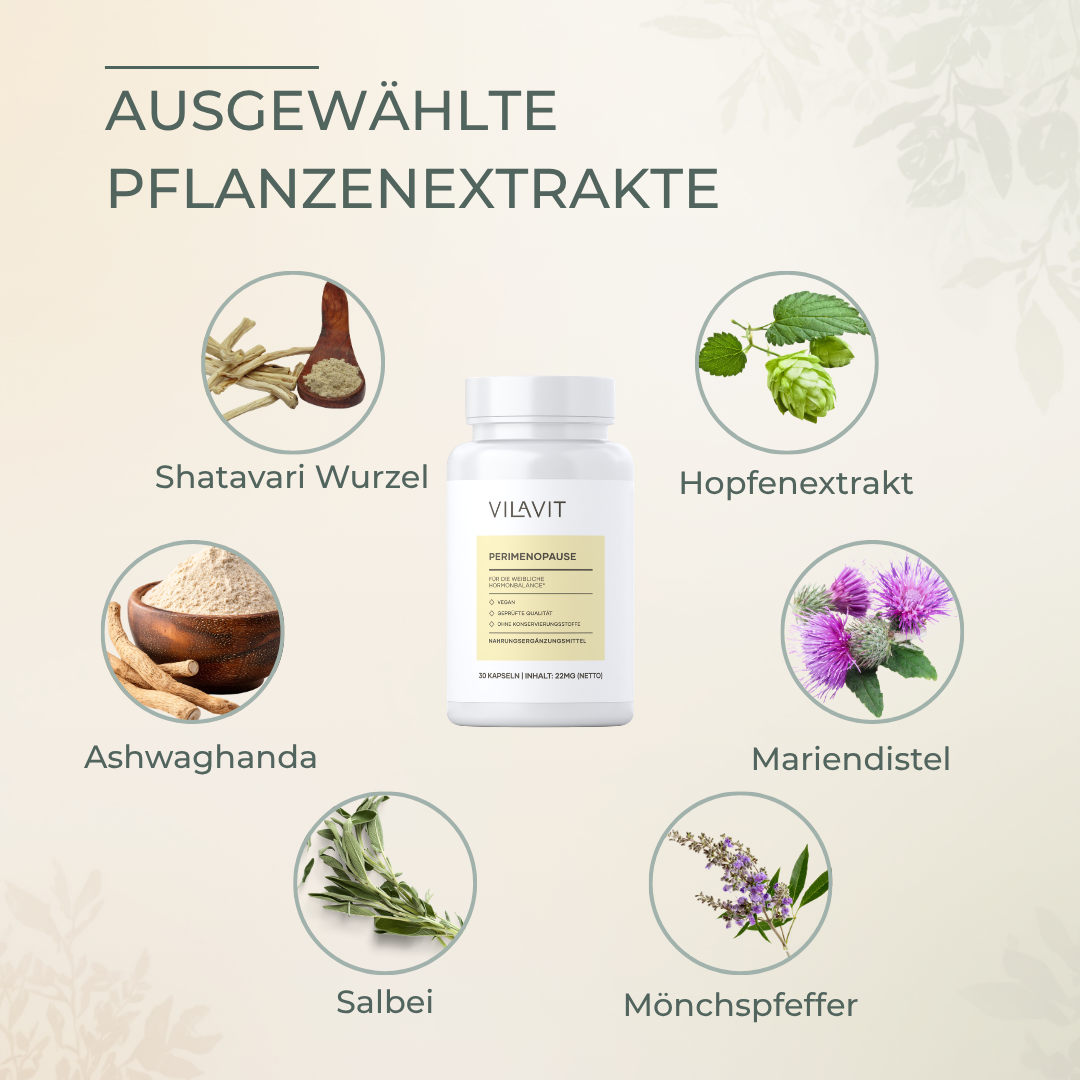
Some of the most important botanical extracts include:

Ashwagandha: Ashwagandha is often used to support stress resilience, emotional balance and relaxation. Clinical research involving women in perimenopause has linked Ashwagandha supplementation to improvements in menopausal symptoms, quality of life and certain hormonal markers (Gopal et al., 2021).

Chasteberry: Chasteberry has long been used to support women's health. It is most commonly associated with menstrual cycle regulation and hormonal balance. Clinical studies have also considered its potential role in helping to relieve menopausal symptoms (Naseri et al., 2019).

Hops: Hops are often associated with relaxation and improved sleep quality. They also contain plant compounds, including 8-prenylnaringenin, which has been studied for its potential role in improving menopausal symptoms such as hot flashes (Heyerick et al., 2006; Abdi et al., 2016).

Sage: Sage has traditionally been used to manage excessive sweating and feelings of overheating. As a result, it is commonly used to support women experiencing hot flashes and night sweats. Research reviews have reported reductions in both the frequency and intensity of menopausal hot flashes (Moradi et al., 2023).

Shatavari: Shatavari has a long history of use in women's health. During perimenopause, it is particularly used for supporting vitality, overall well-being and the body's natural adaptation to hormonal changes. Clinical research has associated Shatavari with improvements in symptoms such as hot flashes, fatigue, stress and reduced vitality (Mahajan et al., 2025).

Milk thistle: Milk thistle is best known for its traditional use in supporting liver health and normal metabolic function. Since metabolic changes commonly occur during perimenopause, it can be a valuable addition to a comprehensive nutritional formula. A randomized double-blind study has also linked milk thistle supplementation with a reduction in the frequency and intensity of hot flashes (Saberi et al., 2020).

Protein for Maintaining Muscle Mass

During perimenopause, muscle mass naturally tends to decline while body fat increases. Getting enough protein is essential for maintaining muscle mass, particularly when combined with regular strength training. Good sources of protein include fish, eggs, dairy products, tofu, legumes, nuts and lean meat.

To maximize its benefits, it's best to spread protein intake evenly throughout the day. Including a quality protein source with each main meal helps promote satiety and provides your muscles with a constant supply of amino acids. If you have kidney disease or other medical conditions, your protein intake should be discussed with your doctor.

Do You Need Iron?

Iron deserves special attention during perimenopause, particularly for women who experience heavy or frequent menstrual bleeding, as this can gradually deplete iron stores. Possible signs of iron deficiency include unusual fatigue, shortness of breath during physical activity, pale skin and reduced physical performance.

If you follow a plant-based diet, combining iron-rich foods with vitamin C can help improve iron absorption. On the other hand, drinking coffee or tea with meals may reduce the body's ability to absorb iron.

How to find the right supplement

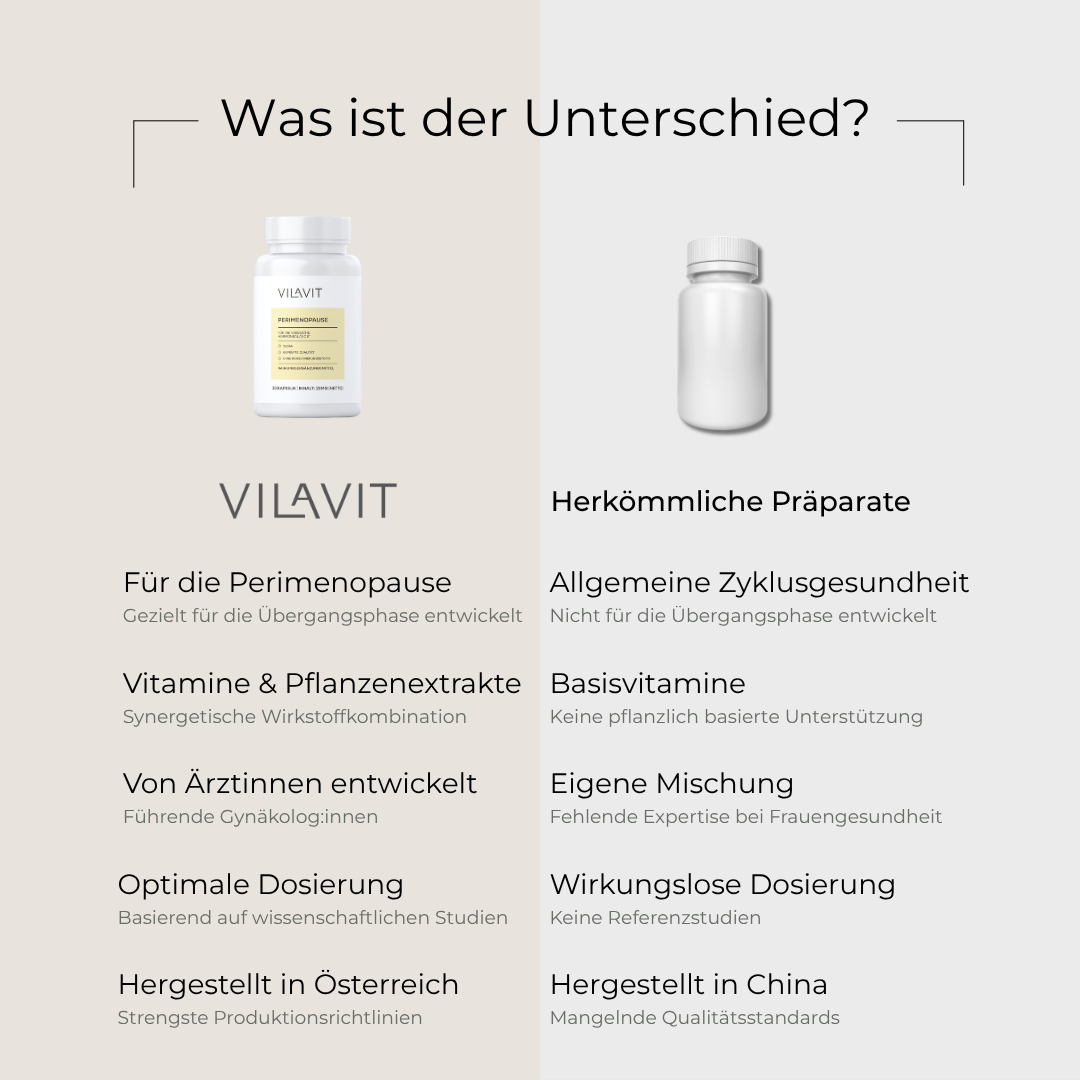
The key to a high-quality dietary supplement lies in a thoughtful combination, effective dosages, premium raw materials and independent laboratory testing. When it comes to botanical extracts, quality, standardization, and the careful selection of ingredients play an important role.

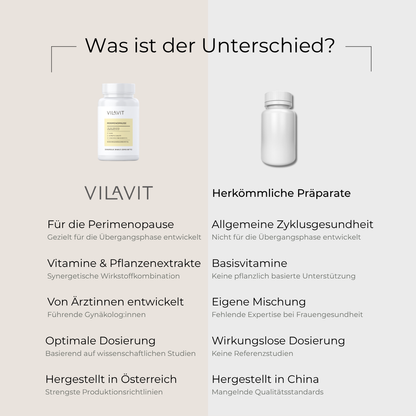
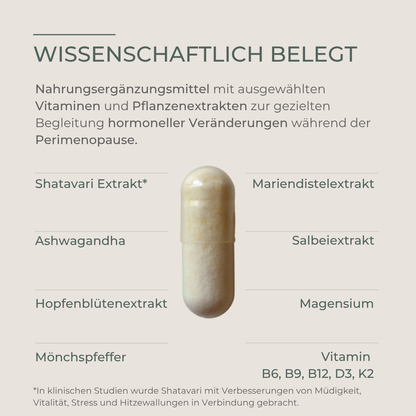
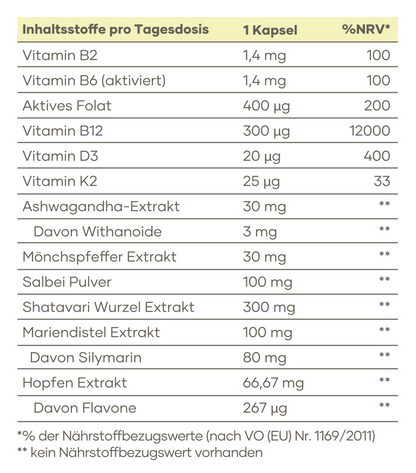
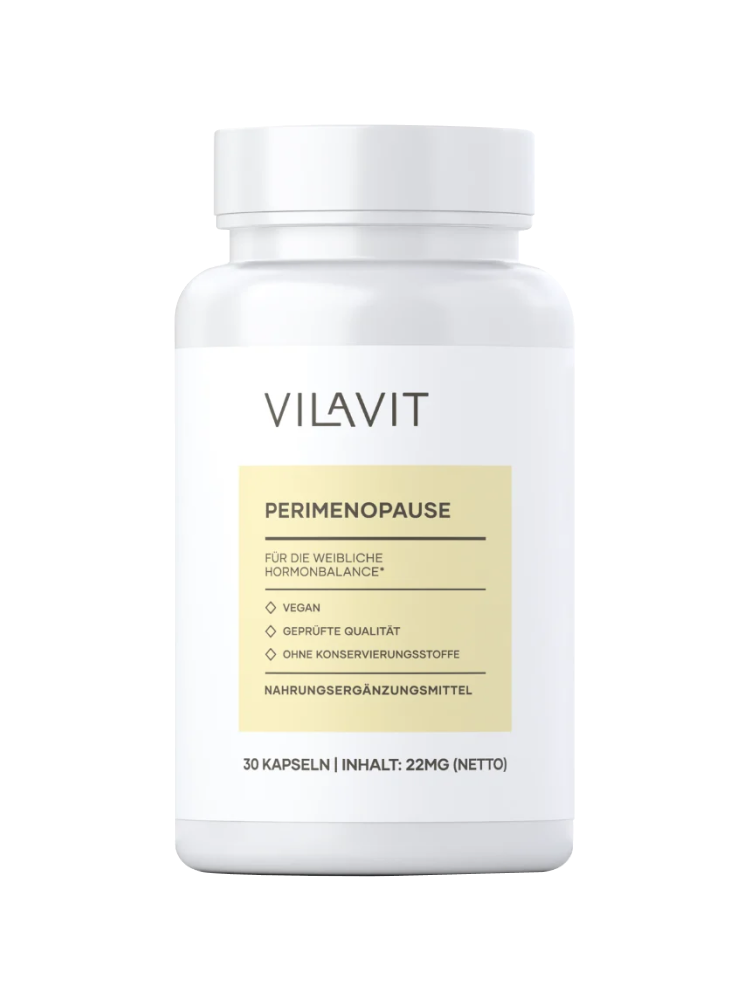
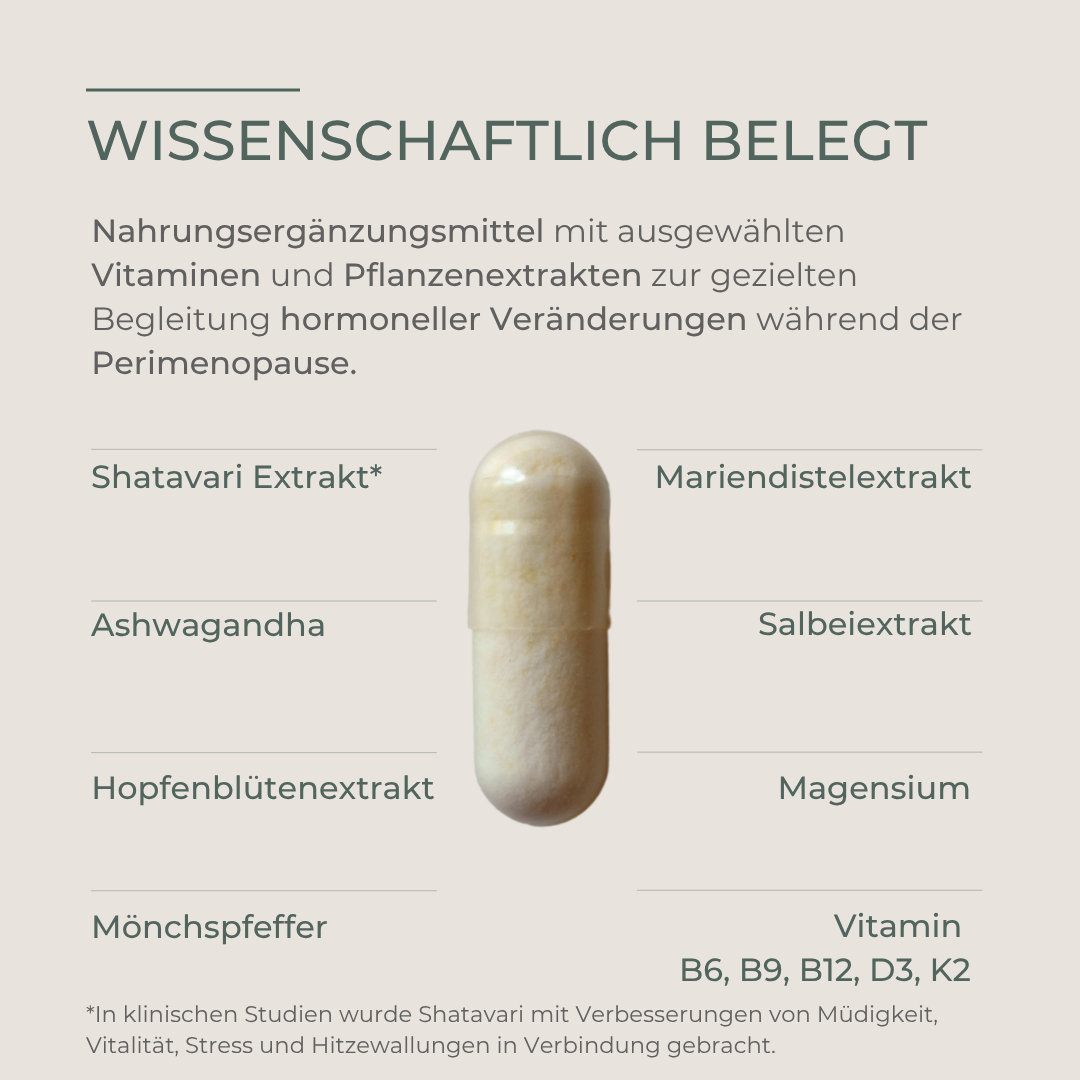
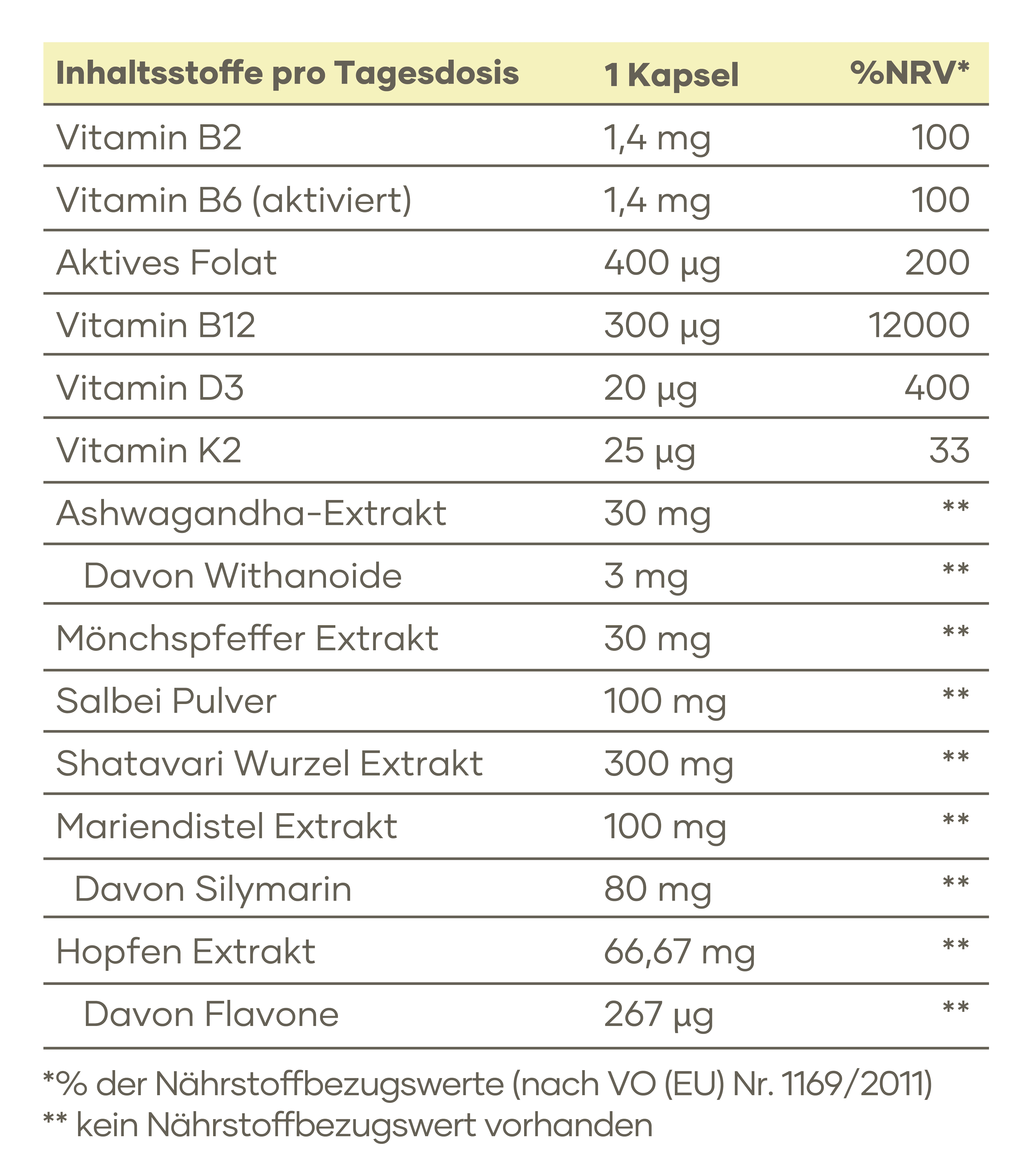
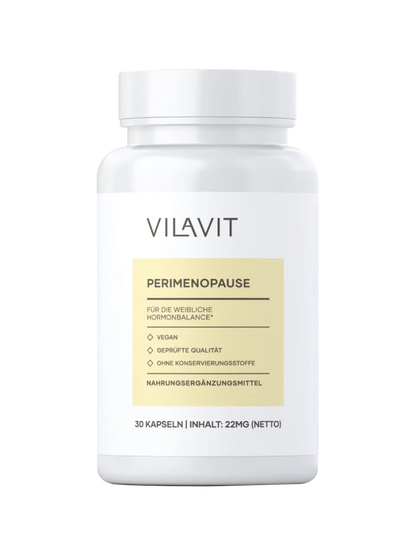
VILAVIT Perimenopause combines selected vitamins and minerals with ashwagandha, chasteberry, hops, sage, shatavari and milk thistle as a daily part of a healthy lifestyle. Dietary supplements are not a substitute for a healthy diet. If you have pre-existing health conditions, take medication regularly or experience unusual bleeding, we recommend consulting a doctor.

The Bottom Line

The most critical nutrients during perimenopause aren't just specialty vitamins and plant extracts. The real foundation is built on Vitamin D, calcium, Vitamin K, B-complex vitamins, protein, and a balanced diet rich in vegetables, legumes, whole grains and high-quality fats.

Dietary supplementation can be a highly valuable tool for managing perimenopause symptoms. However, it is most effective when paired with a healthy lifestyle, regular exercise, good sleep and a balanced diet.

FAQ: Frequently Asked Questions

Which vitamins are especially important during perimenopause?

Special attention should be paid to Vitamin D, selected B vitamins, and an adequate supply of calcium. Protein is also essential, as it helps preserve muscle mass. However, your specific nutritional needs are highly individual.

Can a dietary supplement replace a balanced diet?

No. Dietary supplements are strictly meant to complement a balanced diet, not replace it. However, they can serve as a valuable daily addition to ensure you get essential nutrients and selected botanical extracts in safe, effective dosages.

Should I get my blood levels tested before taking supplements?

It can certainly be useful—especially if you struggle with fatigue, follow a restricted diet, get limited sunlight or have existing medical conditions. Your doctor is the best person to help you decide which specific blood markers are worth checking.

Is a higher dosage automatically better?

No. What matters most is not the highest possible dose, but a high-quality, well-balanced formulation. The dosage should cover your daily requirements while taking potential interactions with other medications into account.

How long can I take vitamins during perimenopause?

The duration of use depends on the specific product, its dosage and your personal needs. VILAVIT Perimenopause is formulated in a way that makes it perfectly suitable for safe, long-term daily use.

Which plant extracts are in VILAVIT Perimenopause?

The formula contains ashwagandha, chasteberry, hops, sage, shatavari, and milk thistle. These plant extracts were chosen specifically because they target the key challenges of perimenopause: hot flashes, stress, sleep issues, fatigue, vitality, mood and overall well-being.

Is VILAVIT Perimenopause hormone-free?

Yes. VILAVIT Perimenopause is completely hormone-free and contains no added hormones like estrogen, progesterone, or synthetic hormones.

The botanical extracts do not introduce any hormones to your body. Instead, they provide natural active plant compounds such as flavonoids, polyphenols, and saponins. These botanicals support your body naturally during hormonal transitions and promote inner balance, sleep quality, temperature regulation, metabolism, cycle regularity and overall well-being.

While some plant compounds can interact with hormonal pathways in the body, they are not hormones themselves. This makes VILAVIT Perimenopause an ideal option for women looking for natural, hormone-free support during perimenopause.


Scientific sources and direct links

Erdélyi et al. (2023). The Importance of Nutrition in Menopause and Perimenopause. Nutrients. https://pmc.ncbi.nlm.nih.gov/articles/PMC10780928/

Wylenzek et al. (2024). A systematic review on the impact of nutrition and possible supplementation on menopause. https://pmc.ncbi.nlm.nih.gov/articles/PMC11393286/

Rusu et al. (2024). Investigating the Effects and Mechanisms of Combined Vitamin D and K Supplementation in Postmenopausal Women. https://pmc.ncbi.nlm.nih.gov/articles/PMC11279569/

Iqbal et al. (2023). Effects of Omega 3 Polyunsaturated Fatty Acids Intake on Menopausal Symptoms. https://pmc.ncbi.nlm.nih.gov/articles/PMC10574492/

European Commission (2012, konsolidierte Fassung 2025). Verordnung (EU) Nr. 432/2012 mit der Liste zulässiger gesundheitsbezogener Angaben. https://eur-lex.europa.eu/legal-content/EN/TXT/HTML/?uri=CELEX%3A02012R0432-20250820

Gopal et al. (2021). Effect of an ashwagandha root extract on climacteric symptoms in women during perimenopause: a randomized, double-blind, placebo-controlled study. https://pubmed.ncbi.nlm.nih.gov/34553463/

Naseri et al. (2019). Comparison of Vitex agnus-castus Extracts with Placebo in Reducing Menopausal Symptoms: A Randomized Double-Blind Study. https://pmc.ncbi.nlm.nih.gov/articles/PMC6887765/

Aghamiri et al. (2016). The effect of Hop on early menopausal symptoms and hot flashes: a randomized placebo-controlled trial. https://pubmed.ncbi.nlm.nih.gov/25982391/

Dimpfel et al. (2021). Effectiveness of Salvia officinalis in the treatment of a wide spectrum of menopausal complaints: a double-blind, randomized, placebo-controlled clinical trial. https://www.sciencedirect.com/science/article/pii/S2405844021000153

Mahajan et al. (2025). Efficacy and Safety of Shatavari Root Extract for Perimenopause: Randomized, Double-Blind, Placebo-Controlled Study. https://pmc.ncbi.nlm.nih.gov/articles/PMC12593836/

Saberi et al. (2020). Evaluation of the effect of Silybum marianum extract on menopausal symptoms: a randomized, double-blind placebo-controlled trial. https://pubmed.ncbi.nlm.nih.gov/32762030/